
Introduction to the Eurozone
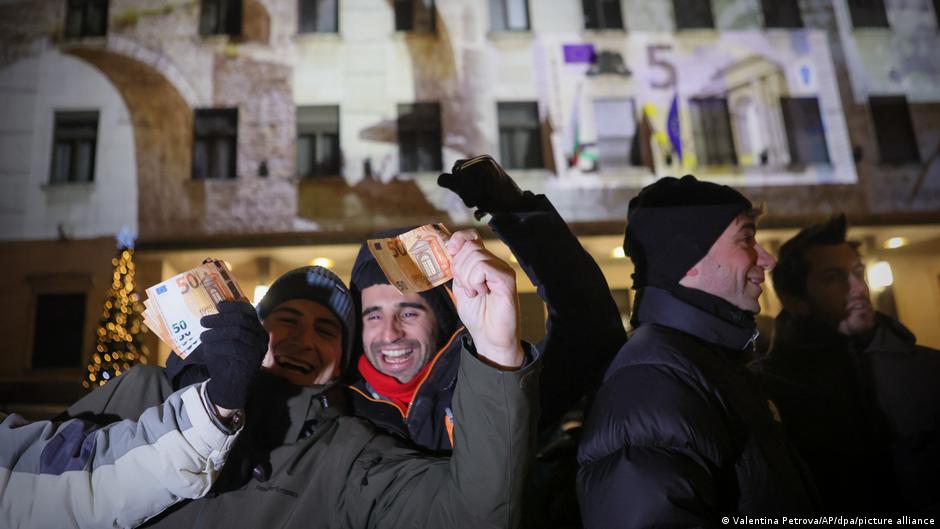
Bulgaria adopted the euro on Thursday despite opposition from some parts of society. Christine Lagarde, President of the European Central Bank (ECB), welcomed Bulgaria’s admission to the eurozone. “The euro is a powerful symbol of what Europe can achieve when we work together, and of the shared values and collective strength we can use to address the global geopolitical uncertainty we currently face,” she said in a statement.
Accession to the Eurozone
The Balkan country, an EU member since 2007, will join the single currency zone in January 2023 following Croatia’s accession. This move brings the number of Europeans using the currency to over 350 million. As a result of accession, only six of the 27 EU states will remain outside the monetary union: Sweden, Poland, the Czech Republic, Hungary, Romania and Denmark.
Public Disagreement over the Introduction of the Euro
Although President Rumen Radev described the introduction of the euro as the "final step" in Bulgaria’s EU integration, he expressed regret that Bulgarians had not been consulted in a referendum on the introduction. “This refusal was one of the dramatic symptoms of the deep divide between the political class and the people, confirmed by mass demonstrations across the country,” he said in a New Year’s Eve address.
Challenges and Concerns
According to the latest Eurobarometer survey, 49% of Bulgarians were against the change. In recent days, business owners and shopkeepers have reported difficulties obtaining euros, with some not receiving starter packs they ordered. Banks also warned of possible disruptions to card payments and ATM withdrawals. The fixed exchange rate is 1.95583 lev per euro. The 1 euro coin depicts the Bulgarian patron saint John of Rila, who is considered the founder of the Rila Monastery, the largest in the country.
