

Introduction to Fossil Fuel Investments
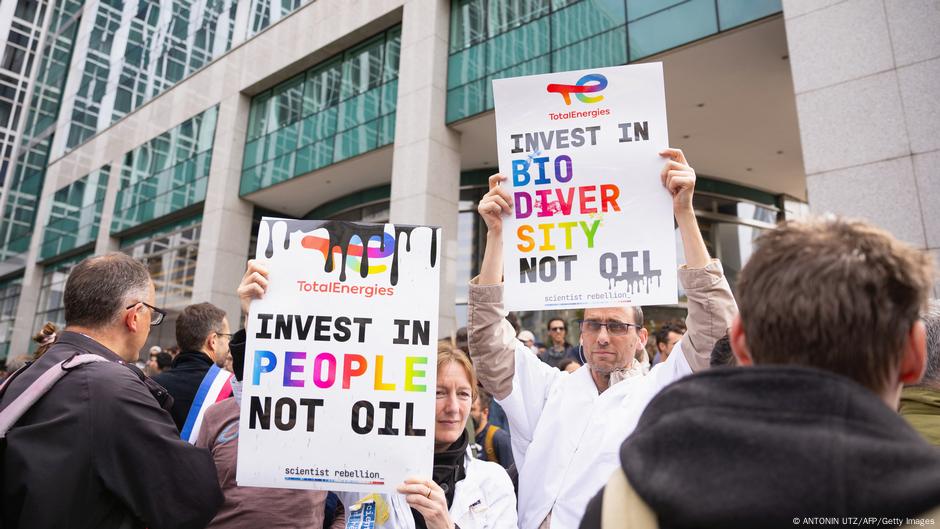
In 2016, a Danish pension fund made a rare decision in the financial sector. At that time, the fund had $1 billion invested in oil giants such as ExxonMobil, Shell, and BP. However, as global temperatures increased, this did not align with the company’s values. The members examined various climate models and saw that continued investment in fossil energy would not be financially beneficial in the long term.
The Decision to Sell
The fund’s chief investor, Anders Schelde, stated that the decision to sell was based on the conclusion that investing in fossil fuels would not be profitable in the long term. The fund pulled its $1 billion out of the oil companies to invest in a more climate-friendly way. This move was an active statement, but it did not significantly impact the fate of the fossil fuel industry. The sector still receives annual trillion-dollar investments and recorded a bumper in 2024, with oil, gas, and coal consumption reaching global heights.
How Money Flows into Fossil Fuels
Most new energy capacities now come from solar or wind, which are much cheaper to install than digging for coal or drilling for oil. A report from the Bloomberg market research industry showed that for every $100 invested in renewable infrastructure, $112 is invested in fossil fuels. The International Energy Agency (IEA) stated that a higher energy requirement for artificial intelligence, data centers, and the desire for energy independence is driving investments in renewable energies. However, the fossil fuel industry is still very profitable and generates high returns at short notice.
The Case for Selling Fossil Fuel Investments
The sale of fossil fuels has increased in recent years. Over 1,600 organizations, including churches, universities, and some large funds, have committed to withdrawing their investments in the industry completely or in part. This is motivated by the desire to avoid the financial risk of stranded assets in the event of a falling use of fossil fuels if the world continues to warm up. For academics, this meant withdrawing their $1 billion investment in oil giants and investing in renewable energy companies such as Danish wind energy giant Orsted.
Sales vs. Commitment
Part of the money invested in fossil fuels is in bonds, and some is in stocks. Ownership of shares means owning part of the company and having a vote of trust, which can influence the company’s activities. Critics of selling fossil fuel investments argue that it is better to have an internal influence to control the course of a company from the inside instead of getting out of investments in fossil fuel companies. However, the proof of whether selling or committing is more effective is sparse.
Investments in Renewable Energies are Growing
Overall, investments in renewable energies are growing, but the sector faces challenges such as fragmentation and volatility. Binding regulation is required to accelerate changes, say experts. A public, transparent assessment of the financial sector of a country and its exposure to the fossil fuel industry is needed. France has implemented such regulations, which have increased pressure to transition to renewable energy systems.
The Need for Global Action
European countries are leaders in implementing regulations to reduce fossil fuel investments. However, the regulations need to be aimed at the world’s largest banks to achieve a ripple effect. If the biggest investors pull out of fossil fuels, this could trigger a global withdrawal from banks from the sector. The world needs to invest more in renewable energies to achieve the goals agreed upon in global climate talks. The annual investment in renewable power must still double to achieve these goals.
