

US Supreme Court Weighs In On Federal Reserve Independence
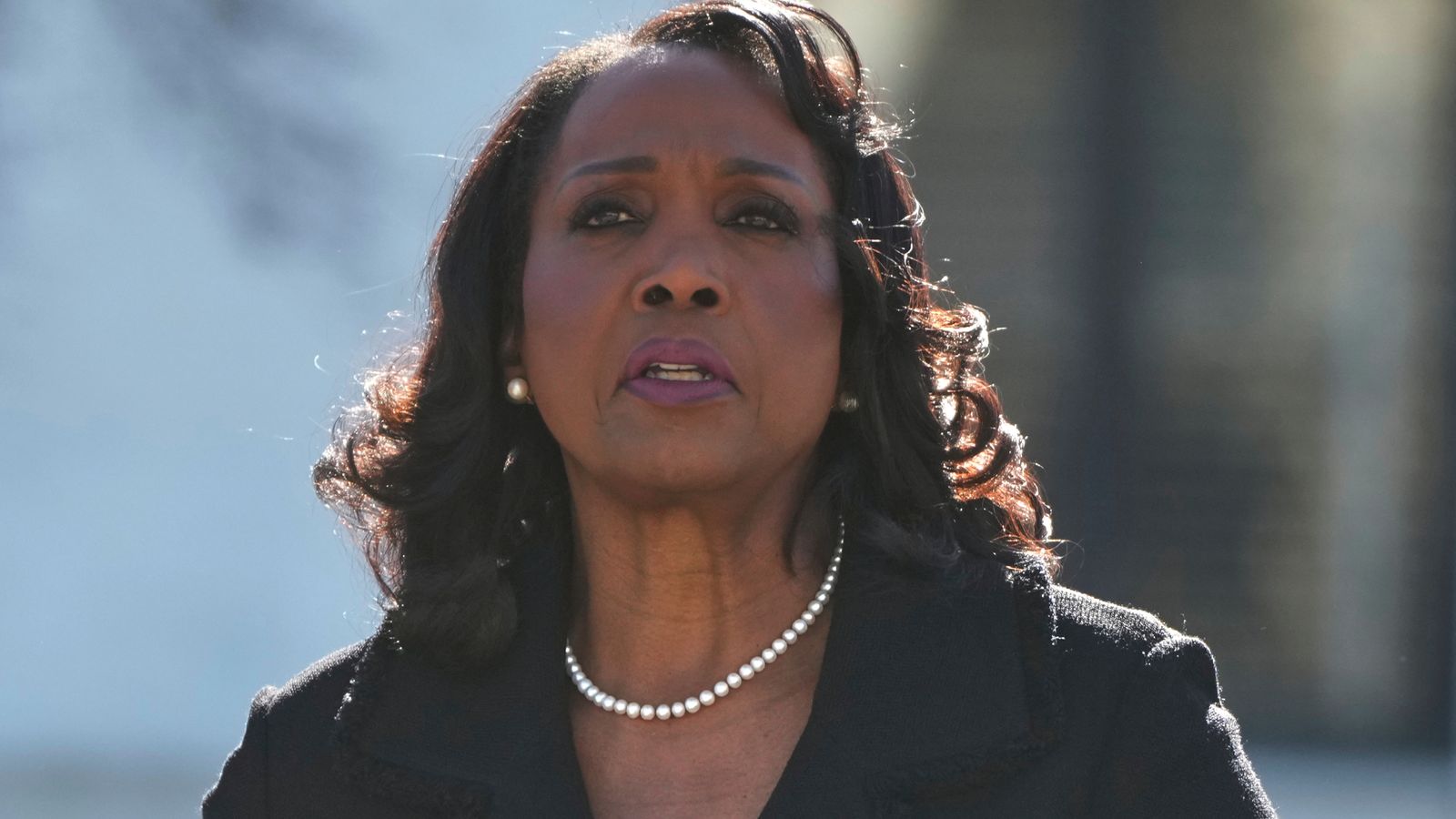
The US Supreme Court has expressed support for keeping a central bank rate setter in her job, despite the White House’s request for her removal. Six of the nine justices have shown skepticism about efforts to remove Lisa Cook, a member of the Federal Reserve board, from office.
Background
The White House requested Cook’s removal last year, alleging she committed mortgage fraud, which she has denied and has not resulted in criminal charges. Financial markets and commentators view this move as part of the US president’s efforts to force interest rate cuts out of the central bank, in defiance of its mandate and independence.
Supreme Court Hearing
The Supreme Court heard debates on whether Cook could remain in office while her challenge plays out. Justice Brett Kavanaugh, one of three Trump appointees, stated that continuing to fire Cook "would weaken, if not destroy, the independence of the Federal Reserve." At least five other justices also expressed skepticism about efforts to remove her from office.
Implications
In the Fed’s 112-year history, no president has fired a sitting governor. The independence of the Federal Reserve is a cornerstone of its structure, designed to keep it separate from day-to-day politics. Interest rates were cut three times in 2025 due to concerns about a plunge in employment, outweighing fears of accelerating price rises.
Future Developments
The chairman of the US Federal Reserve, Jay Powell, is under criminal investigation and is expected to step down in May. The president is expected to name his successor, but faces a revolt among Republican colleagues in the Senate. Cook has stated that she will uphold the principle of political independence in her service to the American people.
Conclusion
The justices have the option to reject the emergency appeal or make a more specific decision in the case. The outcome will have significant implications for the independence of the Federal Reserve and its ability to make decisions without political interference.
