

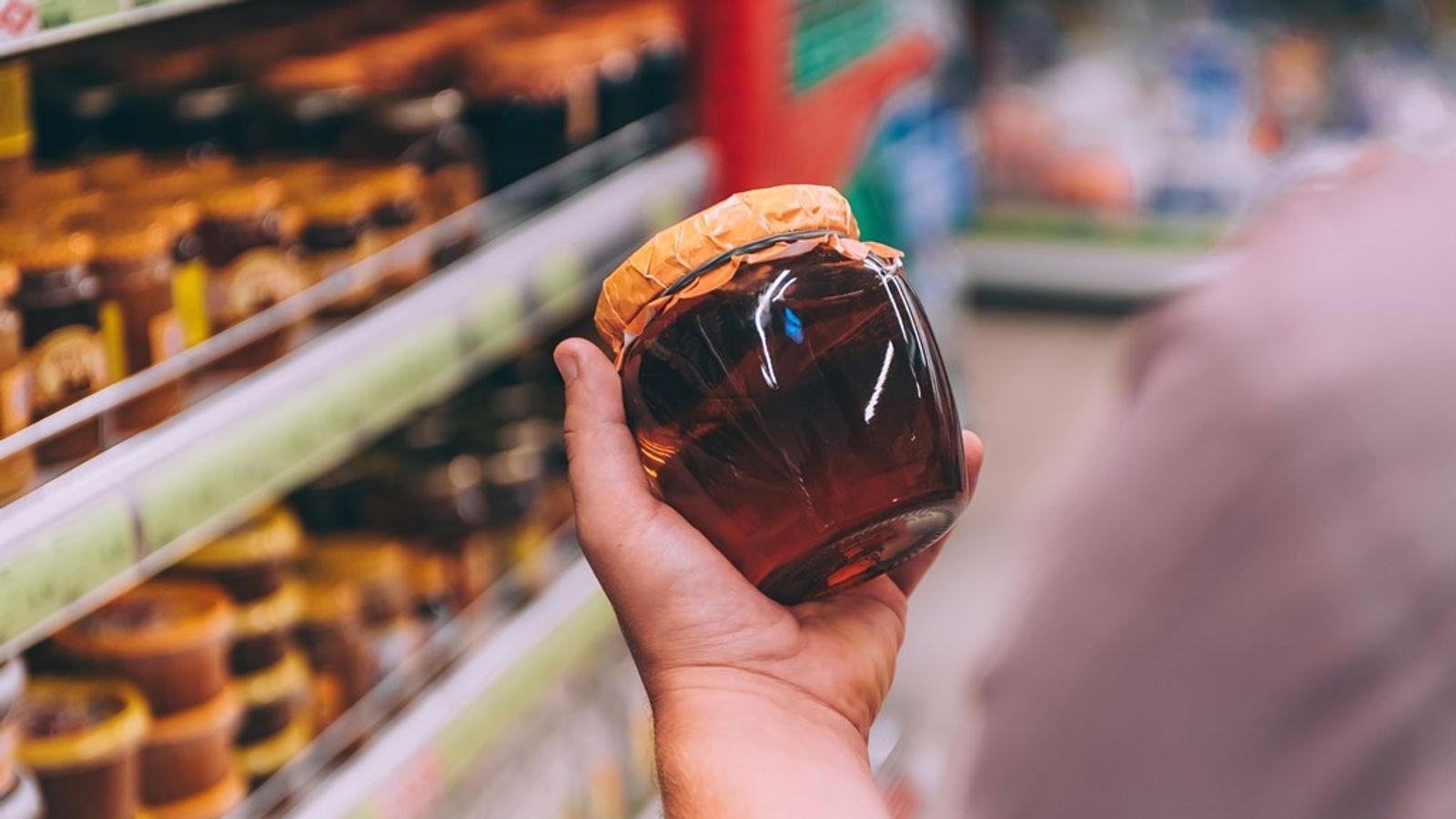
Introduction to Honey
Honey is a staple in cupboards across the country, used as a natural sweetener in cooking, as a home remedy for a sore throat, or simply to top pancakes. However, the quality of honey can vary greatly depending on the source and production methods.
The Problem with Supermarket Honey
The main problems with supermarket honey are adulteration, lack of transparency, and complex processing. Much of the cheaper supermarket honey is a mix of imports, often vaguely referred to as a "mixture of EU and non-EU honey." Many tests indicate that this type of honey may be diluted with cheap sugar syrups or misrepresented as pure honey. Industrial honey is often pasteurized and filtered to ensure clarity and a long shelf life, which can remove pollen, enzymes, and antioxidants contained in raw, unprocessed honey.
What to Look for on the Label
Consumers should always pay attention to the country of origin first. Single-origin honey is generally more expensive than blends from many regions but is less likely to be adulterated. Look at the manufacturer’s description and all the information about the aroma and type of beekeeping and make an informed decision. Although a high price is no guarantee that a honey is authentic, the higher the price, the less likely the product is to be affected by global honey fraud.
Buying Local Honey
Experts recommend buying honey directly from the producer or a local store. This way, you can often find out exactly where the honey comes from, right down to the location of the hive and flower source. Independent testing has shown that honey from dedicated beekeepers is much more likely to be authentic compared to many supermarket products. Buying locally supports sustainable, bee-friendly practices and helps maintain healthy colonies in your area, benefiting broader crop pollination.
Types of Honey
Honey is imported into the UK from around the world, but it is also produced across the country. The colors, textures, and flavors vary dramatically depending on the flowers the bees have eaten. For example, honey from the borage fields in Essex is a very liquid, light yellow honey with a mild taste, while Ling Heather honey, produced in wilder areas such as the Yorkshire Moors and Scotland, is thick, amber in color, and rich in flavor.
Manuka Honey
Manuka honey is a special type of honey produced by bees that pollinate the Manuka bush, a plant native to New Zealand. It is often said to have health benefits due to its methylglyoxal content, which gives it special antimicrobial properties. The limited supply of Manuka bushes and the remoteness of locations where Manuka bushes can be grown drive up the price, as do strict extraction practices. Buyers should look for UMF certification, which means the manufacturer is licensed with the Unique Manuka Factor Honey Association.
Checking for Defects
Honey generally doesn’t spoil, but its flavor, active nutrients, and enzyme activity will diminish over time. Some people think honey crystallization is a problem, but it is a natural process. All honeys crystallize naturally, and some people prefer the texture of crystallized honey to liquid honey. Indirectly heating the honey to around 35°C for a few hours will return the honey to its liquid state.
Organic vs. Non-Organic Honey
Organic honey is produced according to the criteria of organic beekeeping, and the manufacturer has a license from an organic approval body. However, organic honey does not equate to a better-tasting or more aromatic product, just that the honey is likely to contain fewer foreign chemicals. Proving that honey is 100% organic is incredibly difficult, as it is almost impossible for a beekeeper to guarantee that every flower a bee visits within a three to five-mile radius is organic.
Storing Honey
Honey should not be exposed to air for long periods and should be properly stored in an airtight container when removed from the original jar. After use, close the lid and store the jar, as honey is hygroscopic and absorbs moisture from the air, which increases its water content and weakens the honey’s preservative properties.
