

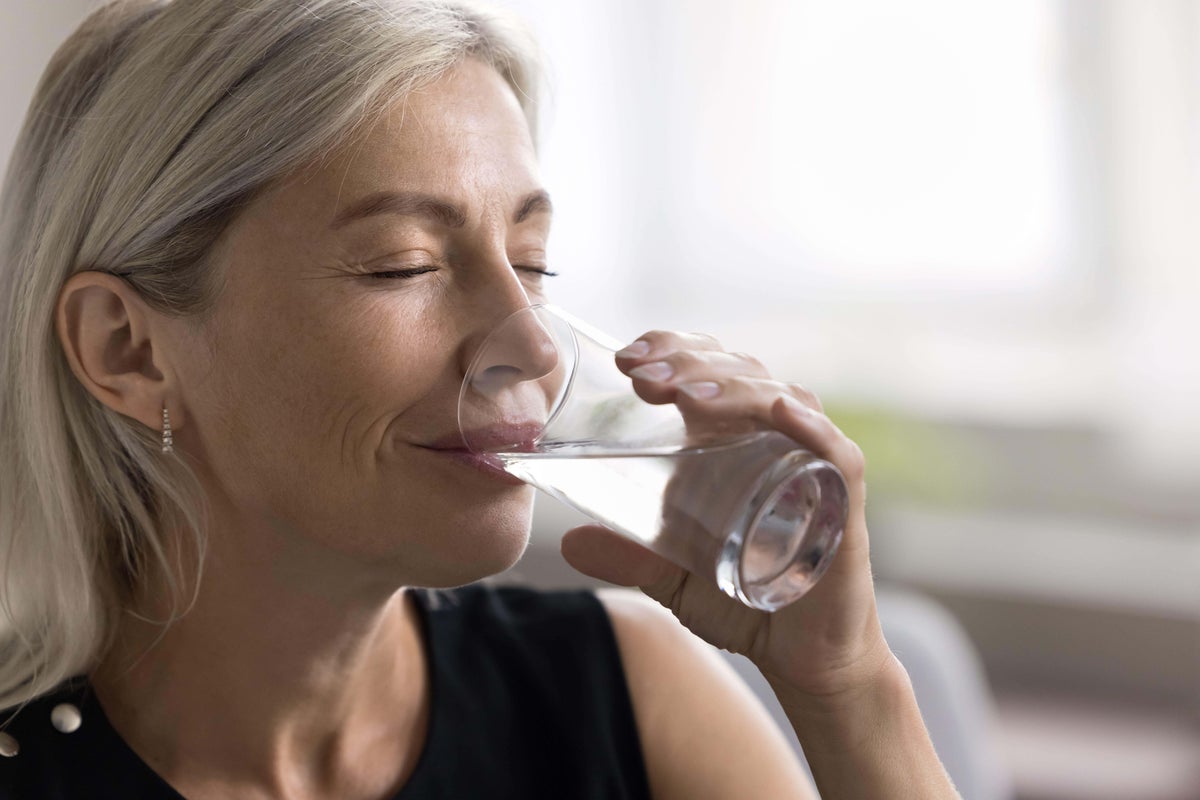
The Effects of Giving Up Alcohol on Your Skin
Year after year, Dry January is marketed as a respite for the liver, sleep cycle and bank balance after a month of festive indulgence. But for many people reconsidering their relationship with alcohol, the most immediate and visible changes happen much closer in the mirror.
How Alcohol Affects the Skin
Dermatologists and skin specialists agree that alcohol has a measurable impact on moisture levels, inflammation, sleep quality and the skin barrier – all factors that affect the appearance of our skin as we age. Alcohol disrupts the hormones that regulate water loss, and it’s also a diuretic, which causes our skin to look extremely thirsty and dull. This dehydration is very damaging to our skin barrier.
The First Two Weeks: Less Swelling
One of the most surprising things about drinking alcohol is how quickly your skin reacts. The first changes usually appear within a few days. By the end of the first week, skin begins to look fresher. The finer dehydration lines begin to fill in as skin becomes plumper and more hydrated. By the second week, skin looks and feels less sensitized and the intense color begins to dissipate. This “high color” — the persistent redness on the cheeks and nose that many people assume is genetic — is often alcohol-related inflammation.
Moisture, Hormones, and the Skin Barrier
The effects of alcohol on the skin are not just cosmetic. It actively impairs the body’s ability to regulate water, which has a domino effect on the skin barrier. A compromised barrier allows moisture to escape and irritants to penetrate more easily, leading to redness, flaking, and sensitivity. When the alcohol is removed, the moisture levels stabilize, and the barrier begins to repair itself.
One Month Later: The Definition Returns
Around four weeks, many people notice the most dramatic difference – particularly in facial structure. The eyes become less puffy and dark. The cheekbones and jawline become more defined due to the absence of puffiness. The face becomes dewy and radiant. This shift is less about weight loss and more about fluid retention. Alcohol encourages the body to retain water, especially on the face. Once this cycle is broken, swelling decreases, and facial features appear sharper.
Long-term Skin Problems: Acne, Rosacea, and Aging
For those struggling with ongoing skin problems, the benefits of cutting out alcohol can be cumulative. Alcohol increases inflammation, disrupts hormone balance, and dilates blood vessels, which can worsen acne and rosacea. Over time, reducing or eliminating alcohol can significantly improve inflammatory skin conditions. Regular drinking can also make pigment spots more visible, as inflammation slows down normal skin regeneration.
The Adjustment Phase: What to Expect
For some, the first few days can feel uncomfortable – including for the skin. It may be normal for the skin to be itchy, dry, and flaky for the first two or three days. This will pass; the key here is to stay well hydrated. Temporary breakouts can also occur as the body recalibrates. Gentle cleansing, regular moisturizing, and avoiding overly active products initially make a noticeable difference.
Rebuilding the Skin
For those using Dry January as a longer-term reboot, skin rebuilding should begin with barrier support rather than aggressive treatments. Gentle cleansing is important. Choose cleansers with prebiotics to help strengthen the skin barrier. Serums containing hyaluronic acid of varying molecular weights can restore moisture on multiple levels, as well as protective moisturizers to lock it in place. Antioxidants like vitamin C, and ingredients like ceramides, glycerin, and hyaluronic acid can restore hydration. Retinoids can be used later once the skin is stable, and daily sun protection remains essential.
