

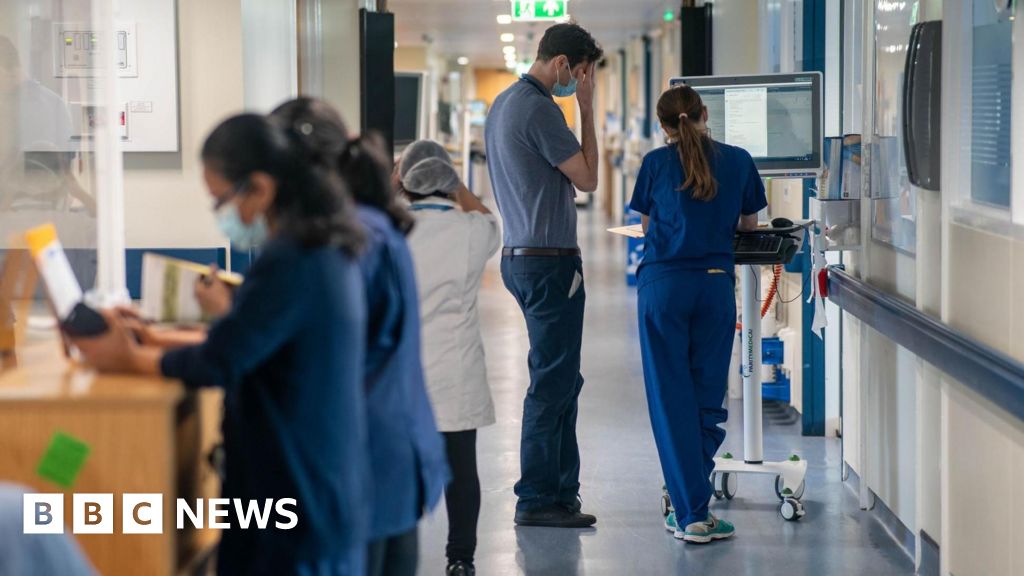
NHS Faces Unprecedented Challenge with Surge in "Super Flu" Cases
The number of patients in hospital with flu has risen by more than 50% in the past week, with officials warning there is no sign yet that the "super flu" is peaking. There were an average of 2,660 cases of flu in hospital per day in the week to Sunday, which was the equivalent of three hospitals full of flu patients, according to NHS England.
Current Situation
The number of patients in hospital with flu this time of year is at its highest since records began. Officials said the number of cases continued to rise throughout the week and there were fears they could exceed 5,000 by the weekend. In Scotland, the number of confirmed cases rose by almost a quarter, and the number of people hospitalized with the flu increased by 15%. A similar picture emerged in Wales and Northern Ireland, where children and young people were primarily affected.
Impact on Schools and Hospitals
Some schools have had to introduce Covid-like measures to prevent the spread of the virus. A location in Caerphilly had to close temporarily, while some schools in Aberdeenshire reduced their hours. Children and young people aged five to 14 had the highest influenza positivity rates in England. However, when it comes to who is most affected or sickest, flu hospitalization rates in England are highest among people over 75 and children under five.
NHS Response
NHS England medical director Prof Meghana Pandit said: “This unprecedented wave of superflu presents the NHS with a worst-case scenario for this time of year – staff are being stretched to the limit to continue to provide the best possible care to patients.” The Health Secretary urged people to get vaccinated against flu, noting that 17 million people have already been vaccinated against the virus.
Flu Vaccination
Flu rates began rising a month earlier than normal this year, driven by a mutated strain of the virus. The dominant strain is H3N2, but there are some genetic changes this year. This means that the general public has never come into contact with this exact type of flu, meaning there may be lower immunity. According to NHS England, the number of hospital patients with the vomiting virus norovirus is also rising, with more than 350 beds occupied by people with the virus.
Call to Avert Strike
The Health Secretary said he was “appealing directly to practicing doctors to accept the government’s offer” and avert their planned strike. The Prime Minister accused the BMA of “irresponsibility” and said it should accept the offer. Daniel Elkeles of NHS Providers said: "The NHS is in the middle of a storm that is coming early. The flu is hitting hard and other winter viruses are on the rise."
Winter Virus Surge
Data from the UK Health Security Agency shows that infection rates continue to rise, although not as sharply as the previous week. But officials stressed that it was too early to take this as a sign that the flu could be peaking. They said the virus is unpredictable and a lull could be followed by another surge. Dr. Conall Watson, an infectious diseases expert, urged people who are eligible for a free flu vaccination on the NHS to still come forward if they have not yet had one.
Protection and Precautions
Dr. Watson said: “There is still enough flu vaccine to protect those who need it – time to protect yourself before Christmas is running out.” He added that it may take up to two weeks after vaccination for full protection to develop. Dr. Vicky Price, president of the Society for Acute Medicine, said winter viruses put additional strain on an "already battered system." She said patients face long waits in the emergency room as hospital staff are overwhelmed with patients.
