

Introduction to Wuthering Heights
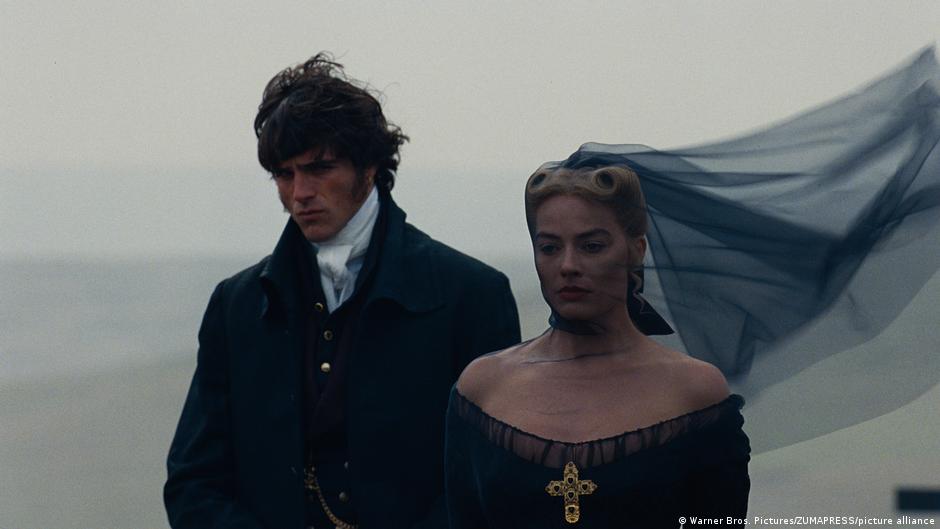
This Valentine’s Day, a new adaptation of the so-called "greatest love story of all time," hits the screen. The new film features an all-star cast led by Margot Robbie as the lead, Catherine, and Jacob Elordi as Heathcliff. Directed by Emerald Fennell, the trailer released last week promises a cinematic, dark take on Emily Bronte’s 1847 gothic novel of the same name.
The Story of Wuthering Heights
Set in the moors of West Yorkshire, the trailer hints at eroticism while evoking the feeling of English walls suffering from rising damp and aching hearts aching from a doomed love, with enough heartache to inspire any emo kid. The sheer amount of rain, fog, and pained looks in the trailer suggests that things won’t end well for the star-crossed lovers. The trailer also features a new song, "Chains of Love," by pop star Charli XCX, who wrote the film’s soundtrack.
Plot Overview
For those who haven’t read the novel, the basic plot is as follows: Heathcliff is an orphan from Liverpool who is described as a "dark-skinned gypsy" – a term that, in the context of 19th century Britain, implied foreignness or racial difference. He is immediately separated from the light-skinned Earnshaw family, who take him in. He forms a bond with Catherine, who eventually avoids him by marrying the wealthy Edgar Linton to improve her social status. Heathcliff’s love turns to revenge and their toxic bond destroys the lovers’ families for generations to come.
The Enduring Popularity of Wuthering Heights
The story has continued to resonate with audiences over the years. It has led to the creation of at least 14 major film adaptations, as well as television series, plays, and even a Bollywood film. According to Caroline Koegler, professor of English literature, the novel’s enduring popularity can be attributed to its combination of romance and unhappy endings with the level of aggression and violence that the novel speaks about quite explicitly.
The Problematic Aspect of Racism
However, there is a more problematic aspect of the novel that goes beyond the usually highlighted theme of social class. Heathcliff, whom Koegler describes as “ambiguously not white,” is transformed into a monster. This was a product of the colonial context in which the book was written and, unfortunately, part of what made the story interesting at the time. The novel ties this violence and aggression to a racialized theme, which is still relevant today.
Playing with Fears
Gothic novels dealt with themes of fear, including fear of “the other,” be it a monster or a human. In the famous novel Jane Eyre by Bronte’s sister Charlotte, there is also a racialized character, Bertha, who is repeatedly blamed for things that go wrong, reflecting typical Victorian attitudes. When Wuthering Heights was published in Britain in 1847, slavery had been illegal for just over a decade, but many Brits were still economically linked to slavery through trade, cotton, and finance.
Adapting Wuthering Heights for the Screen
With film adaptations, the conflict remains over how to remain faithful to the novel "without reproducing the quite questionable dynamic of blaming a racialized subject for everything." The novel has been described by directors as notoriously difficult to adapt, and some filmmakers have described it as borderline unfilmable. However, Andrea Arnold’s 2011 film brought race to the forefront by casting a black actor in the role of Heathcliff, showing a more human side of him than in Bronte’s novel.
The Upcoming Adaptation
Fennell’s adaptation has already sparked debates about how faithful the 2026 film will be to the book. Margot Robbie, in her mid-30s, is considered too old to portray the novel’s youthful Catherine, while Jacob Elordi does not appear to embody Heathcliff’s ambiguous ethnicity. The filmmaker’s casting director, Kharmel Cochrane, defended the decisions, stating that there is “no need to be precise” as the source material is “just a book”. Purists might disagree.
