

Introduction to Amazon’s Ring Unit Controversy
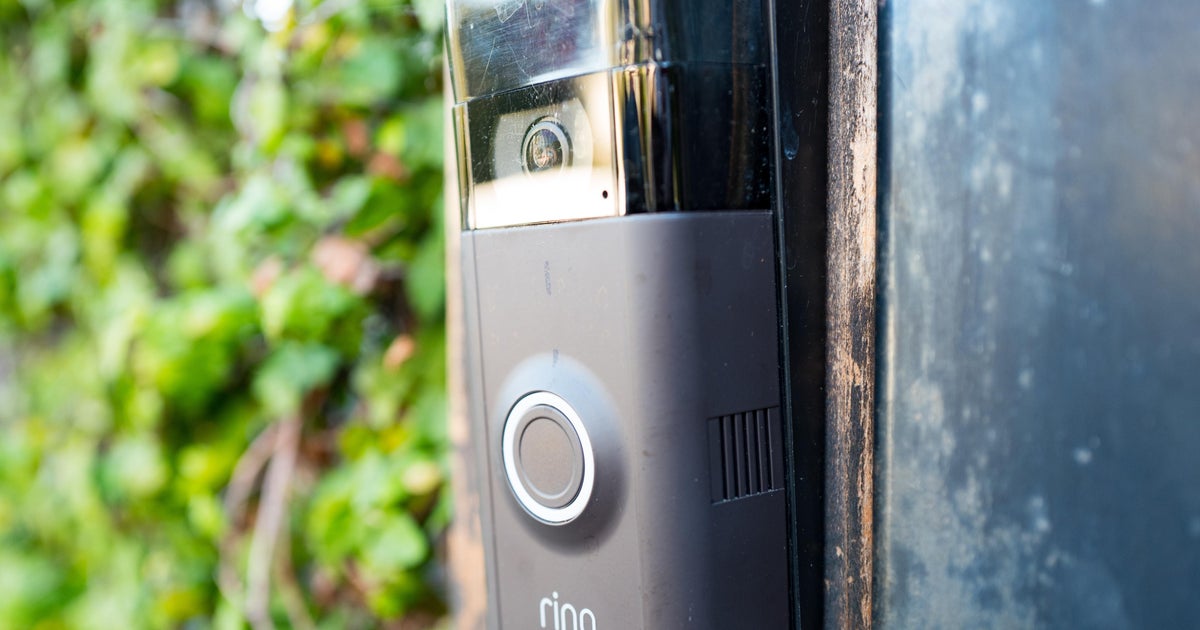
Amazon’s Ring unit has ended its contract with security technology company Flock Safety after a Super Bowl commercial for the retail giant’s smart doorbell raised concerns about unwanted surveillance. The commercial depicted a family’s search for their lost dog, with the manufacturer’s internet-connected doorbell resolving the issue by showing other smart doorbells in the neighborhood searching for the pet and using AI to identify the lost animal.
The Concerns Over Surveillance
The service, called Search Party, had nothing to do with Flock, but Amazon announced last year that it planned to work with the company to allow Ring owners to share videos with law enforcement through Ring’s Community Requests service. While Search Party was portrayed in the Super Bowl ad as a helpful option for Ring doorbell owners, the spot sparked concerns among some critics that the technology could be used for nefarious purposes. The Electronic Frontier Foundation, a nonprofit organization focused on civil liberties related to digital technology, stated that "no one… will be safer in Ring’s surveillance nightmare."
The Future of Surveillance
The company offered a glimpse of the future surveillance of our streets: a world in which biometric identification could be used from consumer devices to identify, track and locate anything – human, pet or otherwise. In a statement, Ring said it decided to end the partnership because integrating Flock technology would require “significantly more time and resources than expected.” The statement made no mention of the Super Bowl commercial or cited it as a reason for terminating the agreement. Amazon also said the integration between Ring and Flock was never completed, noting that "video was never exchanged between these services."
Flock’s Response to the Backlash
Flock confirmed that it never received videos from Ring customers. Company founder Jamie Siminoff said the company protects privacy. "The backlash was a little bit about the concept of ‘Is this surveillance?’" he said. "It’s actually not that. It’s about your camera being a smart assistant for you and then you can be a great neighbor." When asked whether there is an inherent tension between the public’s desire for privacy and law enforcement’s desire to solve a case, Siminoff replied, "I think you can have both," adding, "We built the system based on requests from our customers. They want to help."
The Balance Between Privacy and Law Enforcement
Beryl Lipton, a senior investigative researcher at the Electronic Frontier Foundation, said: "There is still a strong, reasonable expectation of privacy that people perceive, even if it is not currently strongly protected by the legal system." The focus on Ring comes amid another high-profile deployment of a smart doorbell, where investigators restored footage from a Google Nest camera outside of a home in Arizona.
The Use of Smart Doorbell Footage in Investigations
Ring said the Community Requests feature remains "core" to its mission. The service is optional and voluntary, it said. Community Requests was also used during a shooting in December when police used the service to ask for video footage, Ring noted. "Within hours, seven neighbors responded and shared 168 videos that captured critical moments of the incident," Ring said. "Video identified a new key witness and helped police identify the suspect’s vehicle and solve the case."
