

Introduction to the State Pension Age Change
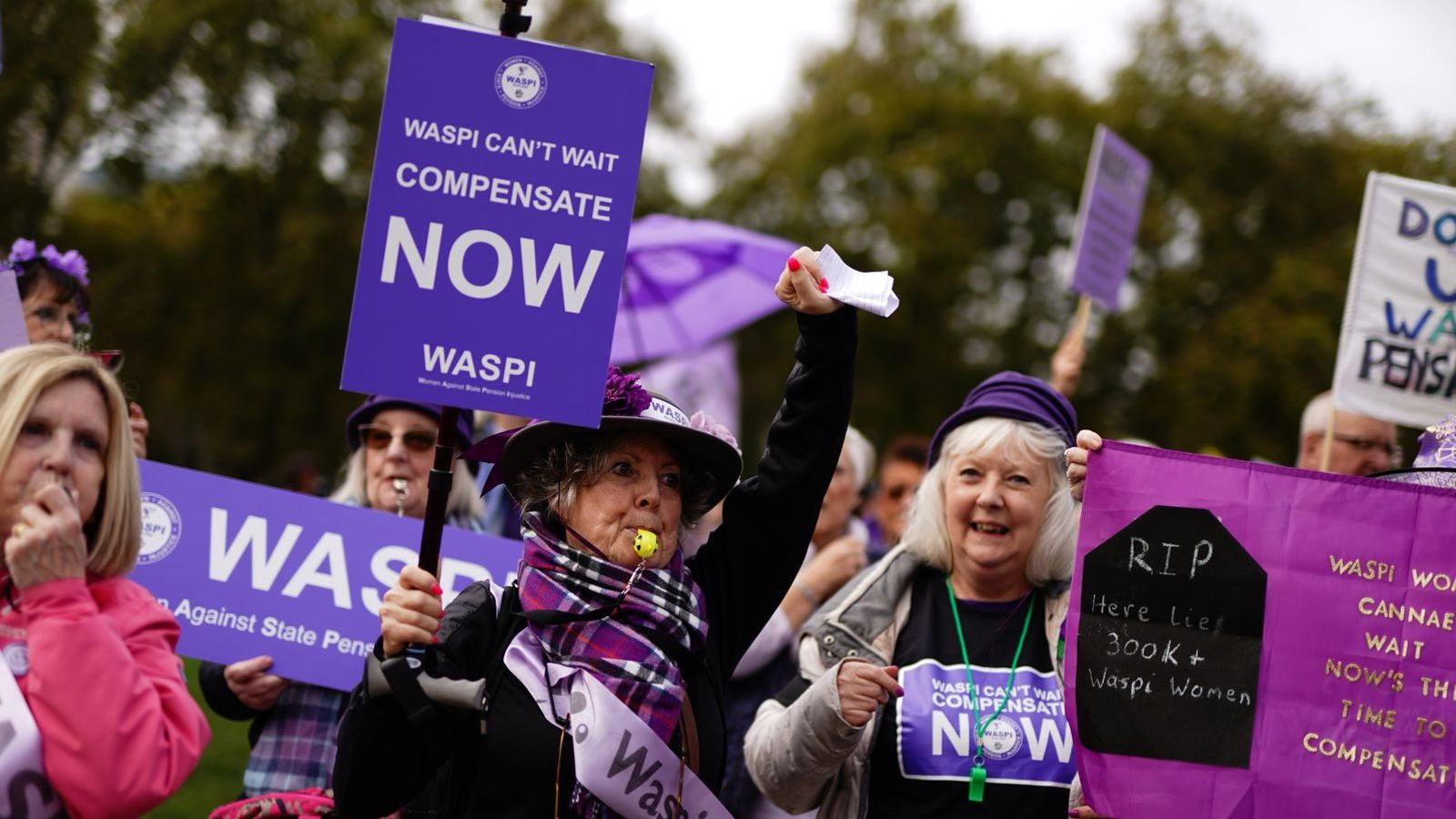
The government has reiterated its opposition to the campaign by women who claimed they were owed billions after their state pension age was changed. Women Against State Pension Inequality (WASPI) has undertaken extensive lobbying, claiming it was not sufficiently informed that the state pension age for women was being raised to bring it in line with men’s.
Background of the Campaign
At the heart of the campaigners’ argument is the claim that the change to the pension age has come too quickly, leaving some women financially unprepared to cope with the number of years in which they will no longer be able to claim their state pension. The government said in 2024 that they would not be compensated because most women knew the changes were coming before announcing the review at the end of 2025.
Review and Conclusion
This review addressed a specific allegation regarding the way the decision was communicated. Work and Pensions Secretary Pat McFadden said in the House of Commons on Thursday that following the review, the government "has come to the same conclusion in relation to compensation as… announced in December 2024". He added: "There are legitimate and genuinely held views about whether it made sense to raise the state pension age, in particular whether the coalition government’s decision in 2011 to accelerate the equalization and increase to the age of 66 was correct or not."
Communication of Changes
Mr McFadden said the review was about “how changes to the state pension age were communicated”, not how policy was decided. The minister told MPs: “We accept that individual letters about changes to the state pension age could have been sent earlier.” He apologized again for that on behalf of the government and said, “I’m sorry these letters weren’t sent sooner.”
Reaction from WASPI
Angela Madden, the chair of WASPI, said: “This is a disgraceful political decision by a small group of very powerful people who have decided that the harm and injustice suffered by millions of ordinary women simply does not matter.” The Parliamentary Ombudsman says economic circumstances should not be used as an excuse to deny compensation. WASPI is taking legal advice and all options remain on the table.
Affected Women
Around 3.6 million women were affected by the change in the statutory retirement age. The government had previously said their compensation could cost £10.5 billion. Women born between April 1951 and 1960 were affected. The changes were first announced in the 1995 Pensions Act, with the aim of equalizing pensions for men and women by 2020.
