

Introduction to Menopause
Menopause is a natural biological process that occurs in women, typically between the ages of 45 and 55. It marks the end of a woman’s reproductive period and is characterized by a range of physical and emotional symptoms. For many women, menopause can be a challenging and uncomfortable experience, with symptoms such as hot flashes, night sweats, and mood changes.
Expectations and Realities
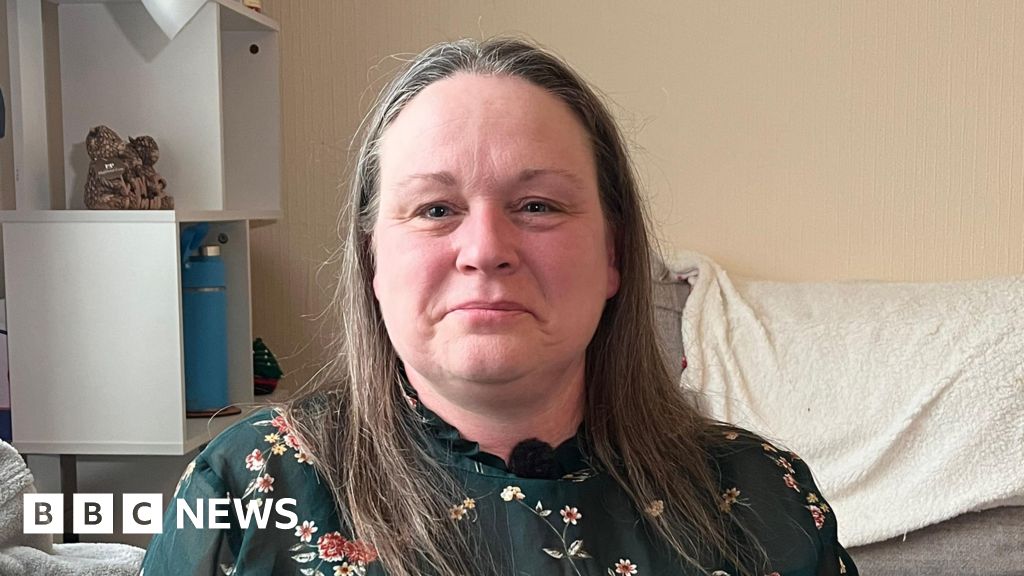
Elaine Gracey’s experience with menopause was particularly difficult. She suffered from severe symptoms, including joint pain, fatigue, and anxiety. Despite her discomfort, she felt that she was expected to simply endure her symptoms without complaint. This expectation can be damaging, as it dismisses the legitimate struggles that many women face during menopause.
The Pressure to Endure
The pressure to endure menopausal symptoms without complaint can come from various sources, including societal norms, family expectations, and even healthcare providers. Women may feel that they are being overly dramatic or weak if they express their discomfort or seek help for their symptoms. This can lead to feelings of isolation and frustration, as women struggle to manage their symptoms on their own.
Lack of Support
Elaine Gracey’s experience highlights the need for greater support and understanding for women going through menopause. Many women feel that their symptoms are not taken seriously, and that they are not provided with adequate treatment options. This lack of support can exacerbate the physical and emotional challenges of menopause, making it a more difficult and isolating experience.
Breaking the Silence
It is essential to break the silence surrounding menopause and to create a more open and supportive environment for women to discuss their symptoms and seek help. By acknowledging the legitimacy of menopausal symptoms and providing women with access to effective treatment options, we can work to improve the overall health and well-being of women during this significant life transition.
A Call to Action
Ultimately, it is crucial to recognize that menopause is a natural part of life, but it should not be a source of unnecessary suffering. By promoting greater awareness and understanding of menopausal symptoms, we can work to create a more supportive and inclusive environment for women, allowing them to navigate this transition with dignity and comfort.
