

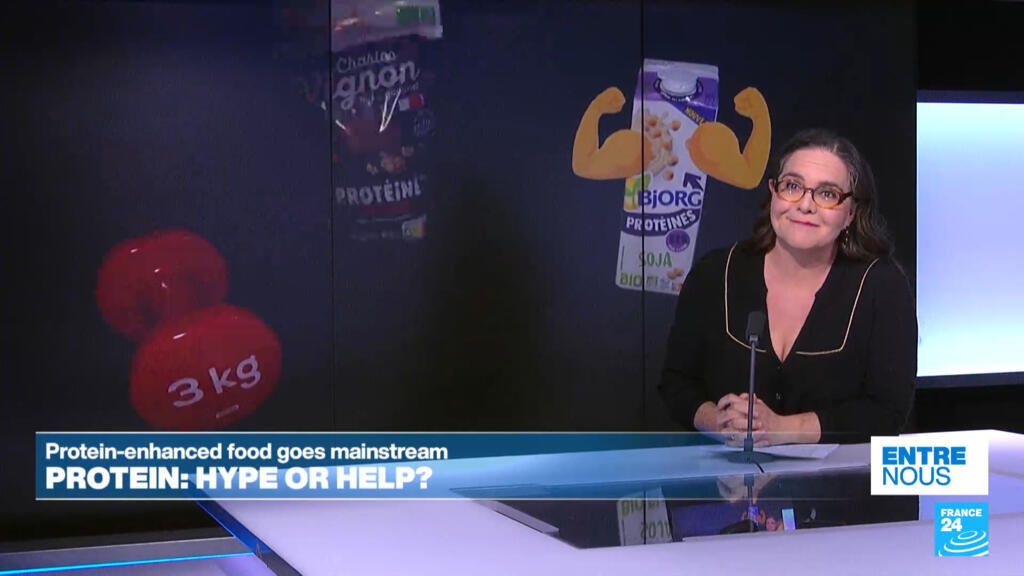
The Protein Craze
Introduction to the Trend
The current obsession with protein-rich foods has taken the world by storm, leaving many consumers bewildered and the market scrambling to keep up. This trend, while boosting sales of certain "healthy" snacks, has also led to unforeseen consequences such as egg shortages in countries like France. The question on everyone’s mind is whether this extra protein is truly beneficial for our health.
The Confusion Among Consumers
Consumers are often left confused by the myriad of protein-enriched products flooding the market. From protein shakes and bars to protein-fortified cereals and snacks, the options are endless. This confusion stems from a lack of clear understanding about the actual benefits of high protein intake and how much protein is sufficient for an average individual.
Impact on the Market
Egg Shortages in France
The surge in demand for protein-rich foods has resulted in egg shortages in France. Eggs, being an excellent source of protein, have become a staple in many health-conscious consumers’ diets, leading to a significant increase in demand. This shortage highlights the challenges faced by the supply chain in meeting the rapidly changing consumer preferences.
Boost in Sales of "Healthy" Snacks
In the US, the protein craze has led to a significant boost in sales of snacks perceived as healthy, such as Babybel cheese. These products, while convenient and tasty, are often marketed with a health halo due to their protein content, attracting consumers looking to increase their protein intake.
The Health Aspect
Is Extra Protein Good for You?
The critical question remains whether the extra protein is actually beneficial for our health. While protein is an essential nutrient necessary for building and repairing tissues in the body, excessive intake does not necessarily translate to better health. In fact, a diet excessively high in protein can put a strain on the kidneys and liver. Furthermore, it often leads to an imbalanced diet where other essential nutrients are neglected.
Finding the Right Balance
The key to a healthy diet is balance. Understanding the daily protein requirements, which vary based on age, sex, weight, and activity level, is crucial. For most adults, the recommended daily intake is about 0.8 grams of protein per kilogram of body weight. Exceeding this amount does not provide additional health benefits for the average person and may lead to negative health consequences.
Conclusion
The protein craze, while a boon for certain sectors of the food industry, has also led to consumer confusion and supply chain challenges. As with any dietary trend, it’s essential to approach the idea of increasing protein intake with a critical and informed perspective, focusing on overall dietary balance rather than fixating on a single nutrient. By doing so, individuals can make healthier choices that truly benefit their well-being, rather than following fleeting trends that may do more harm than good.
