

Loss of Measles Elimination Status
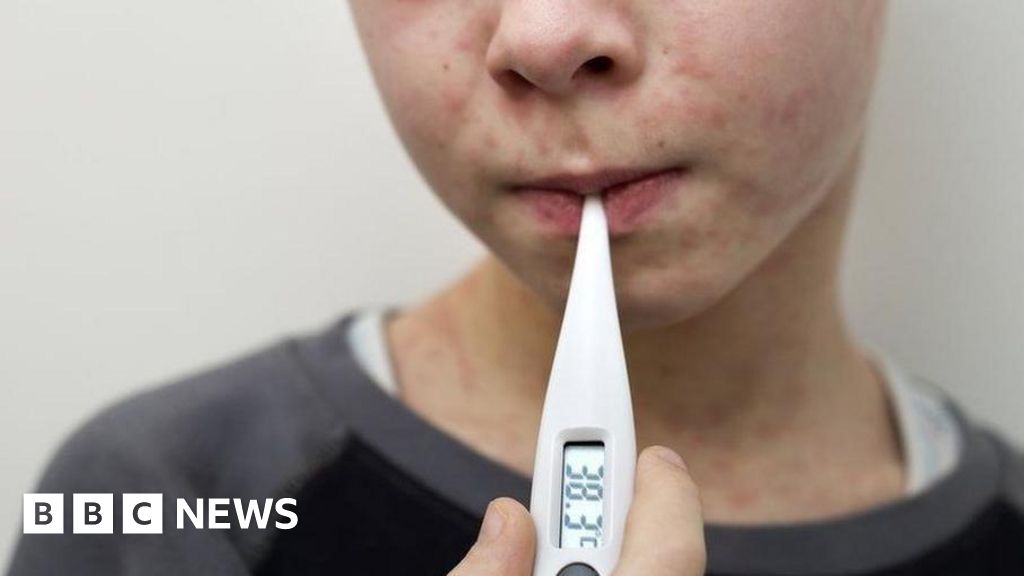
The UK has lost its measles elimination status, a decision based on the spread of cases in 2024, when there were 3,600 suspected cases. Elimination status means there is no sustained transmission, so this decision was largely expected given the scale of outbreaks in 2024. There were also more than 1,000 cases last year.
Background
The UK was first declared measles-free in 2017, but lost the status two years later before regaining it after almost completely stopping the spread of the virus in 2021 – although this was largely due to social distancing during the pandemic. Outbreaks in late 2023 caused measles to spread more quickly again, leading to a spike in cases in 2024.
Vaccination Rates
The move also reflects the fact that vaccination rates are below the 95% threshold needed to achieve herd immunity – when enough people in a community are vaccinated against a disease, making it difficult for the pathogen to spread. At the end of 2024, the vaccination rate was 92% for the first dose and almost 85% for the second dose.
Expert Opinion
Dr. Vanessa Saliba, consultant epidemiologist, said: "Infections can recur quickly as childhood vaccination levels decline – eliminating measles is only possible if all eligible children receive two doses of MMRV before school." The NHS is facilitating vaccination, including offering the second dose of MMRV earlier at a new 18-month appointment, to increase uptake and support elimination targets. Older children and adults could still be vaccinated as the NHS was offering catch-up vaccinations.
Call to Action
Another expert, Dr. Bharat Pankhania, said: "Measles is an infection that can be prevented by vaccination – and it is extremely worrying that we now have areas in the UK where there is little or no vaccination." He emphasized the need for urgent action, including provision for easier access to GPs, more health visitors who can vaccinate babies in their homes, and tackling misinformation about the safety of vaccines.
