

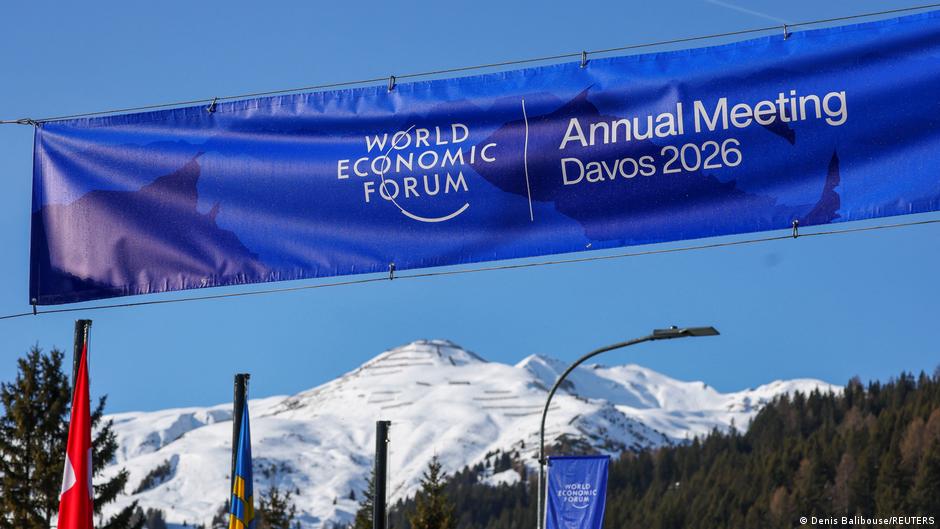
Introduction to the World Economic Forum
The annual meeting of the World Economic Forum (WEF) in Davos was expected to be a significant event, especially with the return of US President Donald Trump after six years. The US president’s presence was highly anticipated, given his role in the fragmentation of the world order, a topic that the Davos audience was eager to discuss.
Trump’s Threats and European Response
However, Trump’s threat to impose tariffs on some of the US’s closest allies to force them to support his plans to annex Greenland from NATO member Denmark has raised the stakes. This move has been seen as another major blow to already damaged transatlantic relations. The European Union has pushed back against Trump’s threats, considering economic retaliation against US companies and discussing the use of its Anti-Coercion Instrument (ACI), which can restrict US firms’ access to the EU’s vast single market.
An Opportunity for Europe
The incident has underscored Europe’s need to reassess its dependence on the US in various areas, including defense and technology. EU Commission President Ursula von der Leyen emphasized that the "seismic change" Europe is experiencing is an opportunity for the continent to build a new form of independence. She noted that nostalgia will not bring back the old order and that Europe must recognize the permanence of this change.
Economic Challenges
The European economy has been growing at a subdued pace, hindered by structural problems such as slow decision-making, a less flexible regulatory framework, energy insecurity, and dependence on imports for critical raw materials. These issues have caused Europe to fall behind the US in terms of economic growth, increases in disposable income, and productivity, making it less attractive for investment.
Diversifying Risks and Reducing Dependence
The EU is seeking to reduce its dependence on the US by investing heavily in defense and signing mega free trade agreements with other regions, such as the Mercosur trading bloc in South America. The bloc is also looking to diversify its risks by reducing its reliance on US Big Tech companies. While complete decoupling is not considered feasible, European companies are committed to reducing their dependence on US technology.
Conclusion
The changing world order is creating a sense of urgency in the EU, prompting the continent to reassess its dependencies and seek new opportunities for growth and cooperation. As the EU navigates this new landscape, it must balance its need for independence with the reality of its interconnectedness with the rest of the world. By addressing its structural challenges and diversifying its risks, Europe can build a more resilient and competitive economy, better equipped to thrive in a rapidly changing world.
