

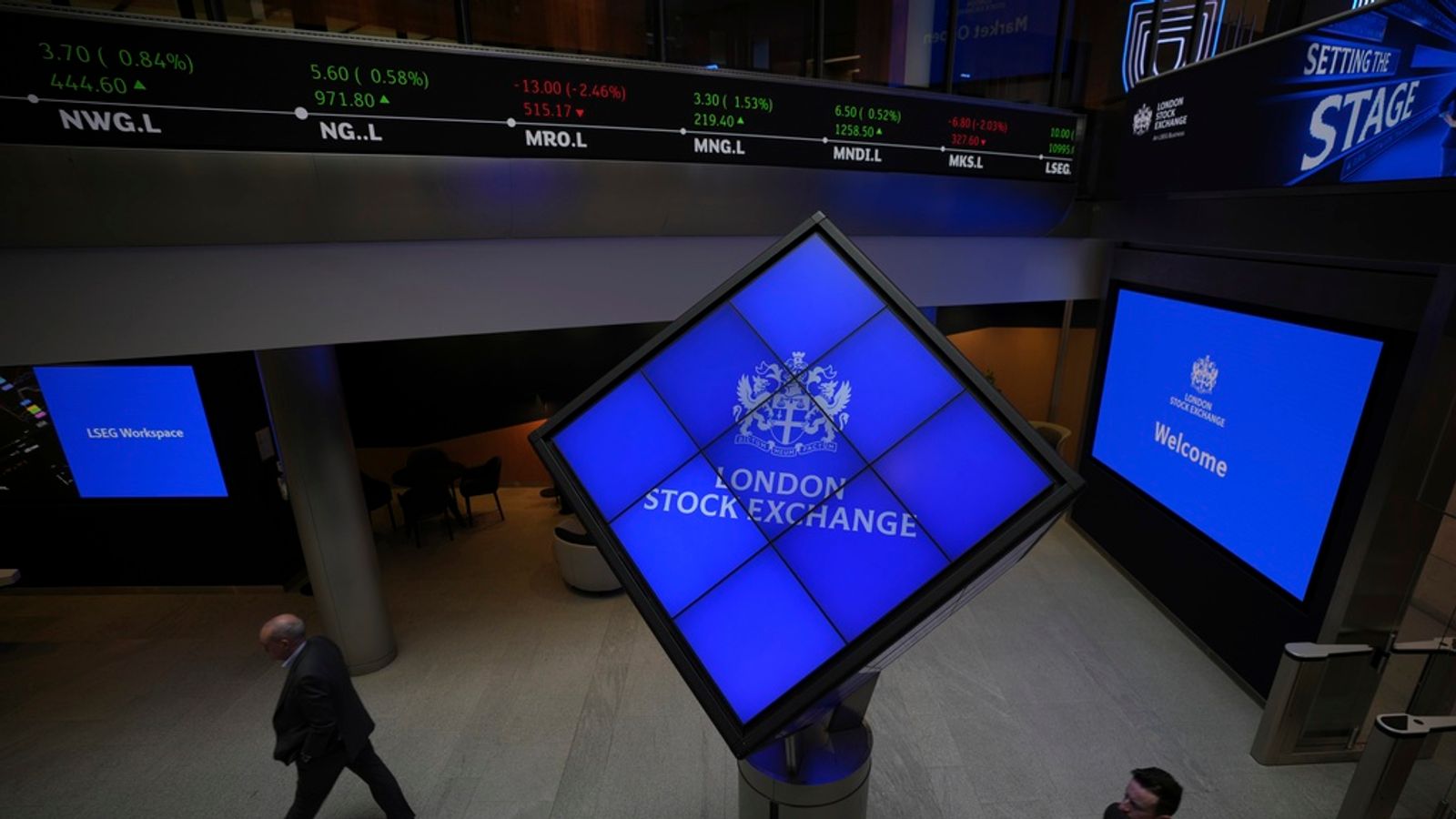
Introduction to the FTSE 100 Milestone
The FTSE 100 crossing the 10,000-point barrier is a largely symbolic milestone, but it underlines an upward trend for the index of Britain’s largest companies and offers cautious optimism for the year ahead. Founded in 1984 with an index value of 1,000, the FTSE achieved its best performance since 2009 last year, with a 21.5% rise despite gloomy predictions about London’s future as a trading hub.
Defying Predictions
The FTSE 100 has defied these predictions thanks to a combination of the companies it represents and those it leaves out. London remains home to a healthy mix of key players in sectors that have thrived in recent months: banking, mining, defense, oil and gas, as well as pharmaceuticals and consumer brands. What it doesn’t include are any tech giants, and concerns are driving forward over the stratospheric valuations attributed to US megascalers due to the AI boom. The FTSE offers a way to diversify portfolios and hedge risk in the event the bubble bursts.
Sector Performance
Defense stocks, led by Rolls-Royce, have benefited from a commitment to higher European defense spending, while mining was boosted by a rush to safe-haven gold and a rally in silver, a key material for electrification technologies. Precious metals miner Fresnillo was the best performer on the FTSE 100 in 2025, up more than 360%. Banks and financial services, meanwhile, were grateful for the lack of tax-raising measures in the last Budget, capping a year in which Lloyds rose 80%, Standard Chartered and Prudential rose more than 70%, and Barclays rose more than 60%.
Pharmaceutical Sector
Pharmaceutical giants AstraZeneca and GSK have also held their ground despite neither having a GLP-1 weight loss drug on the market, helped by the recent UK-US pharmaceutical deal which will lead to an increase in NHS drug spending.
Reason for Optimism
Although these lofty valuations are at odds with the gloomy mood in the real economy, it is worth remembering that FTSE 100 companies such as HSBC, Anglo American, BAE Systems, Shell, Unilever, and AstraZeneca, while listed in the UK, are international players who generate the majority of their revenue abroad. The FTSE 250, an index of the next largest tranche of British companies with greater exposure to British trends, rose just 9% in 2025.
Future Outlook
But a buoyant start to the trading year after a rewarding 2025 for investors in London gives cause for optimism. All stock market speculation is partly a bet on the future, and with inflation and interest rates falling and expected to continue into 2026, a bet on better sentiment could be worth it.
