

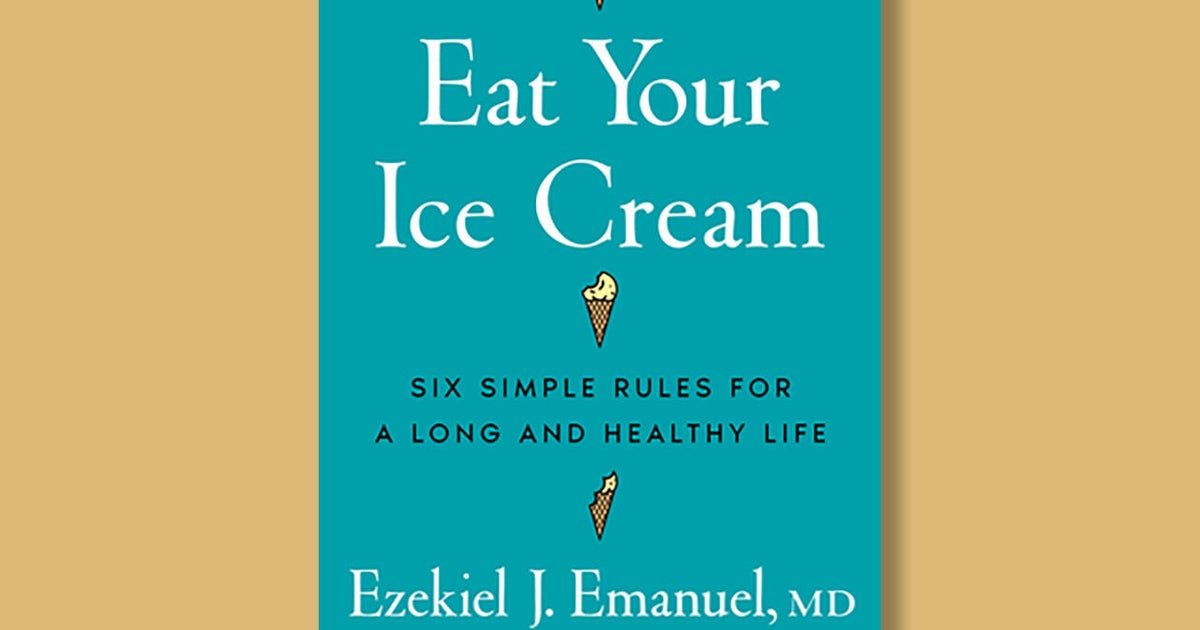
The Overwhelming World of Health and Wellness Advice
Those seeking advice on wellness and longevity are faced with a tsunami of books, newspaper articles, podcasts, newsletters, and videos from a variety of sources: scientific experts, doctors, health systems, journalists, patients, influencers, gurus, quacks. Traditional media offers plenty of good advice, often in responsibly edited and sourced wellness sections. But it can be difficult to keep up with the sheer volume, and sometimes the instructions can be downright contradictory.
The Challenge of Knowing Who to Trust
For anyone wading through the sea of health and longevity advice online, it can be difficult to know who to trust. The so-called “must-dos” on the Internet range from the medically unproven to the completely impractical to suggestions so absurd that they baffle doctors—scrotum tanning, teenage blood transfusions, vaginal steaming, “jerky” hikes with a backpack full of weights. The information comes at us in a barrage of fireworks, increasingly spewed by hucksters and self-proclaimed wise men who have amassed millions of social media followers (and dollars) by promising supposed miracle treatments in medical-sounding language. No wonder so many people are confused and frustrated.
The Problem with Health and Wellness Books
Above it all, real doctors and health experts scream, offering sound but sometimes contradictory advice. All of this combined can overwhelm even those who care most about their health. In the last few years alone, dozens of books on health and longevity have been published, filled with well-intentioned and scientifically based information. But too often they fall into the trap of pursuing novelty rather than effectiveness and end up touting treatments and therapies that are unproven or provide marginal benefit at best.
The Dangers of Misinformation
Then there’s the steady stream of profiles about tech billionaires joylessly dedicated to maximizing their lifespan. One of my business school students told me how her “wellness coach” recommended all sorts of questionable recipes, like eating 200 grams of meat a day. And then there’s the entrepreneur who tries to defy death with his daily regimen of 100 pills, cold plunges, infrared lights, and a daily serving of "nut pudding"—a mix of chia seeds, macadamia nuts, and berries. Nutty is right.
The Importance of Critical Thinking
With so much health and wellness advice out there, it can be almost impossible to distinguish what is valid, reliable, and effective from the speculative, fallacious, and just plain stupid. Even when the advice is scientifically sound, it is often irrelevant, misrepresented, or misused. For example, a wellness book looks at the basic biology of molecular pathways like the mTOR cell survival pathway to explain why you should take rapamycin to improve life expectancy. In fact, studies have shown that rapamycin extends the lifespan of mice, worms, flies, and yeast. But you are not a mouse, a worm, a fly, or a yeast.
The Limits of Scientific Research
While some studies suggest that rapamycin may mitigate the effects of age-related immune and cardiovascular diseases in humans, there is no evidence that it has any effect on human lifespan. This extrapolation of laboratory results parallels the story of resveratrol, the “magic” compound in grapes and red wine that was supposed to explain the French paradox. Yes, resveratrol improved the life expectancy of mice. But do you have a tail and whiskers? Scientists have been experimenting on mice since the early 20th century, and although this work has led to many breakthroughs, findings in mice often do not translate to humans.
The Cost of Chasing Longevity
What so many of these speakers—serious experts, well-meaning journalists, and crackpots alike—have in common is how costly their recommendations are. Financially, sure, but it also takes mental energy and time away from activities that give life meaning. With so much advice out there, figuring out whether the information on rapamycin is valid is practically a full-time job, let alone whether it is worth it.
The Importance of Prioritizing Quality of Life
Overall, the wellness industrial complex promises us more time to enjoy in the future – but it certainly requires a lot of time at the moment. It takes one ton of time and attention to leaf through a 400-page book, let alone an entire library of them. And what about the countless posts, videos, and articles about the latest supplements, superfoods, or exercises that claim they can extend your life? Add that to the time you spend figuring out what’s real and what’s a fad. Or based on some microbes in a petri dish or a study of worms. Or worse, based on no evidence at all.
Rethinking Our Approach to Longevity
Of course, if your main concern is quantity of years rather than quality, this work might be worth it. Some “longevity experts” seem to see things this way. As a well-known author says, “Our only goal is to live longer and better – to survive.” Our only goal? Life is not a competition where the gold medal goes to the oldest! Our goal should be not to “survive” as many people as possible. Rather, the goal should be to lead a healthy and fulfilling life. Wellness is just a means to that end, not the end itself.
