

Introduction to New Year’s Resolutions
Save money, eat healthier or do more exercise: the list of Germans’ most popular New Year’s resolutions is likely to sound similar in every country in the Western Hemisphere. Like elsewhere in the world, New Year’s resolutions in Germany are a bit like astrology, in the sense that some people take it very seriously, while others may be sarcastic about the whole concept – but ultimately it’s a great topic for small talk, as everyone has their own, very particular opinion on the subject.
The Tradition of Abandoning Resolutions
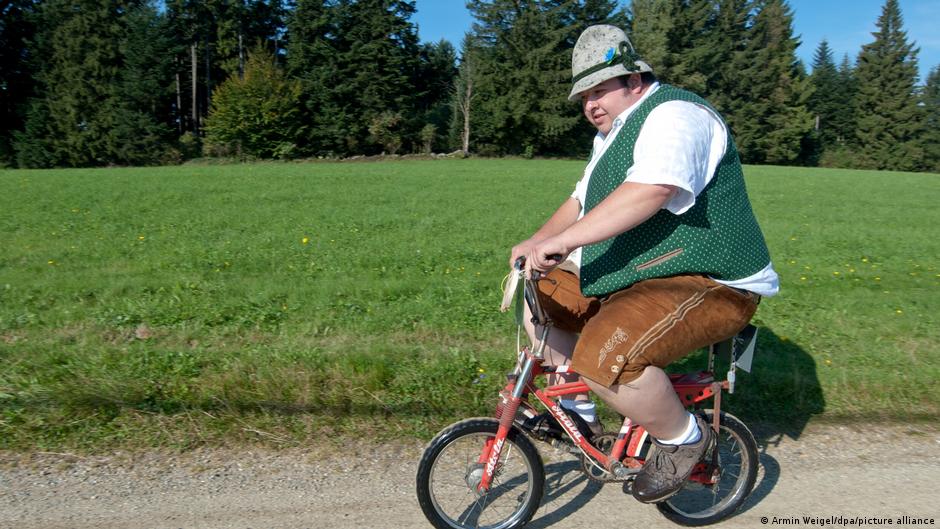
Of course, most people know that it is also traditional to abandon any self-improvement plan for the new year in the first few weeks of January. After all, these are ideas that were developed after a week of overeating and probably too much drinking with family members who are either doing much better in all aspects of their picture-perfect lives—or who have completely failed. That’s obviously enough to inspire more than a few people to jog off their beer bellies and take a sausage break.
Historical Background
Using the beginning of a new year as a starting point for changes in your life is probably as old as the calendar itself. The Babylonians were the first to document their New Year celebrations about 4,000 years ago. The rituals of their twelve-day festival, which took place every year in mid-March and then marked the beginning of a new year, included promising the gods that they would return everything they had borrowed and repay their debts. Historians consider their oaths to be precursors to today’s New Year’s resolutions. However, the Babylonians had greater pressure to actually keep their word: if they didn’t return everything as promised, they fell out of favor with the gods.
Roman Influence
The Romans later designated January 1st as the start of the new year. The month is named after the Roman god Janus, a deity with two faces – one symbolically looks back on the past while the other looks towards the future. Traditionally, people made sacrifices and vows to Janus as part of their New Year rituals. Such oaths took various forms over the centuries, including the medieval “peacock vow,” in which assembled knights swore an oath to the noble bird they wished to eat.
Modern New Year’s Resolutions
The actual modern phrase “New Year’s resolutions” first appeared in a Boston newspaper in 1813. Since then, New Year’s rituals have included articles that give tips on how to make really good resolutions – or that make fun of the fact that most people don’t keep them.
A German Perspective
If there is a specifically German aspect of resolutions, it is the word itself: “Vorsatze,” which literally translates to “before the sentences.” Perhaps this could be seen as the ultimate strategy for anyone making promises to themselves at the start of a new year: Don’t talk too much about your resolutions. Instead of all these sentences about how you’re going to start doing this or that, just think about doing it without even talking about it and see what happens. If it works, you can thank the German etymology. If not, at least you won’t have to explain to anyone why you started smoking again after spending so much time saying that this would be the year you would finally quit smoking.
