

Introduction to the Crisis
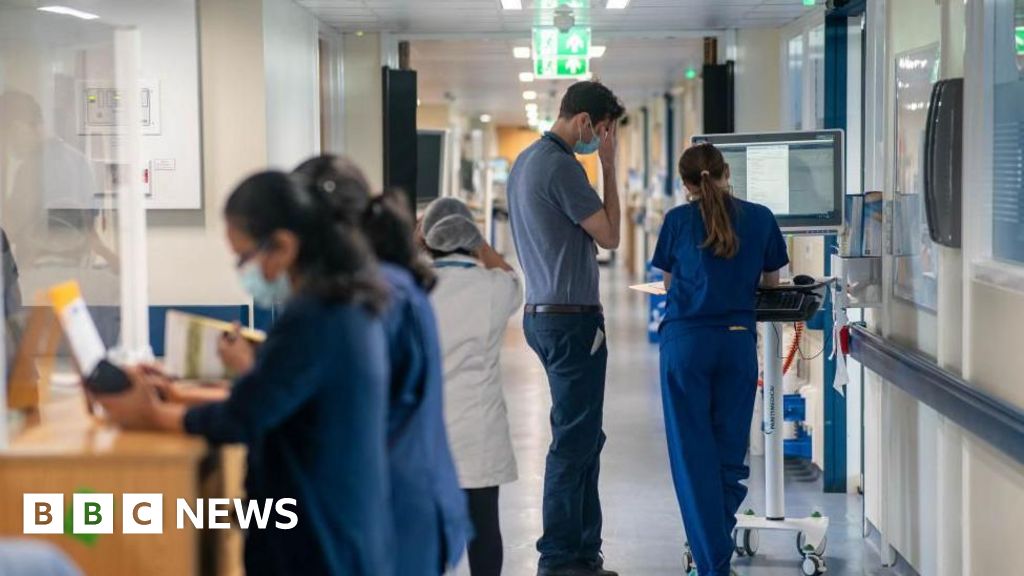
A group of regional NHS leaders have been warned that a rising number of end-of-life patients in hospitals could affect the level of treatment provided this winter. A palliative care consultant flagged the looming “crisis” during an internal online meeting of health leaders in Sussex. The consultant described the dilemmas facing hospital managers when some patients need to receive end-of-life care in emergency department corridors.
The Current State of Palliative Care
The consultant gave a slide presentation entitled “Palliative and end-of-life care in Sussex” at the meeting. She told the audience that local hospices were struggling and finding places for patients needing end-of-life care was difficult. It was sometimes not clear how much support there would be in the local community when people were sent home. The consultant expressed concern that patients with treatable conditions are not being able to be admitted to hospital and treated because so many patients are in hospital beds at the end of their lives.
Challenges in Providing Care
The consultant said that they are no longer putting patients on the transfer waiting list who are in the process of dying, but are only focusing on those with complex needs. On improving palliative care in the emergency department, the consultant said it was a "really difficult decision": do you take them in for care in the hallway or turn them around and put them in the back of the ambulance where they could die on the way home? There are “a lot of patients in the hospital who don’t need to be there, a lot of patients with complex needs whose needs aren’t being met.”
Response from the NHS
A spokesman for the NHS said it was committed to ensuring patients had access to the “best possible, high quality palliative and end-of-life care”. This includes providing a range of venues for compassionate, person-centred care – and particularly, where possible, in settings outside of hospital, such as community settings and hospices. Emergency care services remain under significant pressure, but staff continue to work incredibly hard to ensure patients receive the care they need in hospitals and across health and care services.
Concerns from Medical Professionals
The Royal College of Emergency Medicine said delayed discharges were a major challenge across the NHS and a lack of social or community care could mean some patients who need end-of-life care and support are unable to leave hospitals. Patients who would rather stay at home may end up in corridors, which is not the right place for anyone, let alone those who are at the end of their lives. An NHS clinician said the problems had been building up for some time: "End-of-life care, carried out in emergency departments, in corridors, in ambulances or on discharge home without support, has become increasingly routine in many regions.
The Need for Systemic Change
The NHS Confederation said hospitals could be the “default option” when community and social care is under pressure or unavailable. The solution isn’t about asking hospitals alone to absorb more pressure – it’s about investing in the whole system. Community services are also overwhelmed and hospices are warning of a funding crisis. Hospices across the country want to provide more care in the community, but this year they’ve seen cuts due to funding pressures, having a domino effect on hospitals.
