

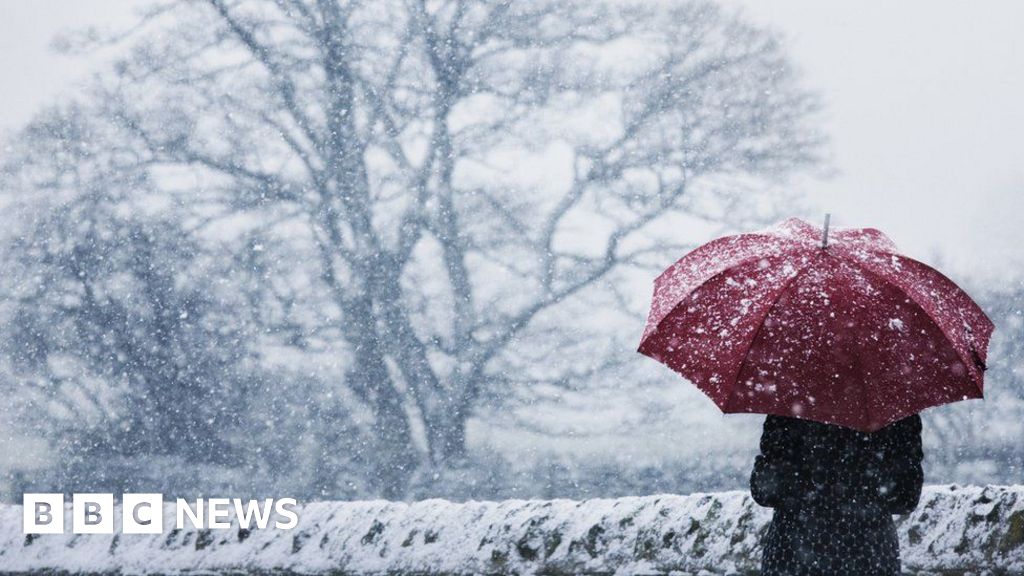
Introduction to Cold Weather Warnings
Amber and yellow cold warnings have already been issued across much of England this winter. The warnings warn the public when low temperatures pose a potential health risk.
How the Weather Warning System Works
The weather warning service is operated by the UK Health Security Agency and the Met Office. Cold warnings are issued between November 1st and March 30th, heat warnings are issued between June 1st and September 30th. As well as alerting the public, the system also sends advice directly to NHS England, the Government, and healthcare professionals during periods of adverse weather. Alerts are categorized by severity and include:
- The main weather conditions expected in the coming days
- Details about how weather conditions affect each region
- Links to additional information, advice, and guidance
The system is designed to reduce illness and death during periods of extreme heat and cold.
Understanding Alert Levels
The alert level is based on Met Office forecasts and data. There are four levels, ranging from green (least serious) to red (most serious):
- Green: The normal value when giving advice on how people should prepare for rising or falling temperatures.
- Yellow: Warnings are issued for hot or cold weather, which are likely to only affect those at high risk, such as the elderly or those with existing health problems.
- Amber: Warnings are issued in situations that could potentially endanger the entire population. For example, the NHS could see increased demand for GPs and ambulance services. Travel disruptions are also likely.
- Red: The most serious is the red alert level. It is issued in situations where hot or cold weather could pose a significant threat to life even for healthy populations and could lead to failures of critical national infrastructure such as power outages or the closure of roads and railway lines.
The Impact of Cold Weather on the Body
Flu and certain other illnesses that cause colds and sore throats spread more easily in the winter months. Pneumonia, where inflammation of the lungs occurs due to an infection, is more common after cold weather. Cases of norovirus, the winter sickness virus, are also trending on the rise. When the body is exposed to cold temperatures, blood flow to the brain decreases, blood pressure and heart rate increase, the temperature of extremities decreases, and it takes significantly longer to solve puzzles. The body’s tipping point is around 18°C; below this, the body has to work hard to maintain its core temperature, which is one reason heart attacks and strokes are more common in the winter months. To stay warm, it is recommended to wear gloves, warm socks, and a wool hat, eat a diet rich in carbohydrates, and generate more body heat through exercise, especially if it’s not possible to heat rooms to 18°C.
