

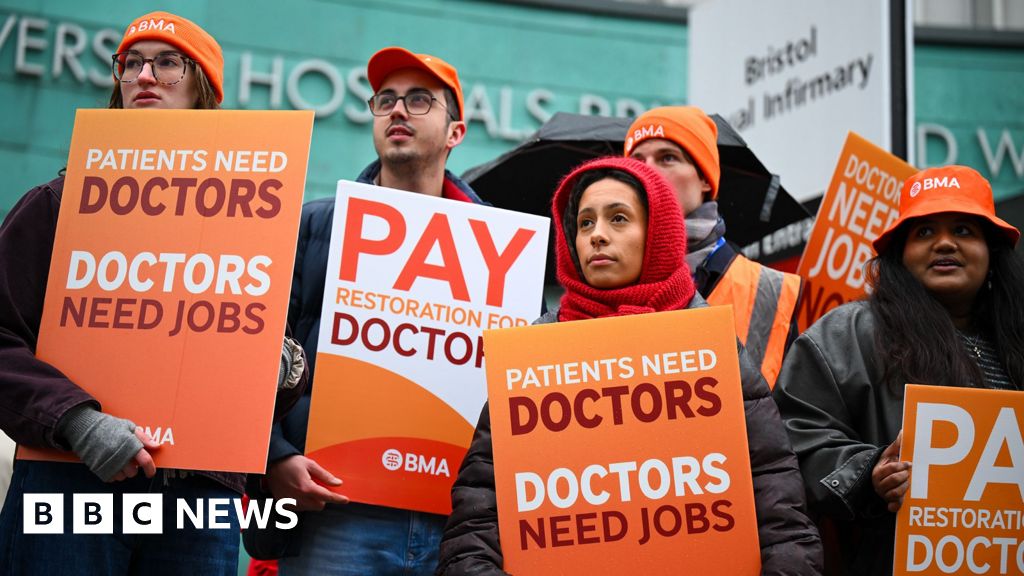
Introduction to the Doctors’ Strike
The recent five-day doctors’ strike in England has been deemed "dangerous and completely irresponsible" by Prime Minister Keir Starmer. The strike, which began on Wednesday at 7:00 a.m., is the 14th in a long-standing wage dispute. The British Medical Association (BMA) is calling for a "truly long-term plan" to increase salaries and offset years of below-inflation rises.
Reasons Behind the Strike
The doctors’ union is seeking new training places to be created, rather than recycled ones, to allow more qualified doctors to specialize and advance in their careers. The BMA argues that despite pay increases, practicing doctors’ salaries are still a fifth lower than in 2008, taking inflation into account.
Impact on the NHS
NHS bosses say they will struggle to maintain some pre-booked services during the strike as hospitals grapple with a surge in flu and other winter illnesses. The BMA said it would work with NHS bosses to ensure safety in hospitals and other parts of the health service. Health Minister Wes Streeting told Parliament that the situation in some hospitals was already "explosive" and he was concerned about the impact on other medical staff who would be "stretched out" by the industrial action.
Effects on Patients
The strike is expected to have a significant impact on patients, with many non-urgent operations and treatments being postponed or canceled. NHS England said GP practices will remain open and emergency and urgent care services will be available for those who need them. However, patients are advised to use the NHS 111 online service as the first point of contact for urgent but not life-threatening concerns during the strike.
Government’s Response
The government has made a new offer to increase the number of specialist training positions and cover out-of-pocket costs such as examination fees. However, the BMA has rejected this offer, citing that it does not address the underlying issues of pay and staffing. Prime Minister Keir Starmer has urged doctors not to let patients down and to work with the government to improve conditions and rebuild the NHS.
Ongoing Dispute
The dispute between the government and the BMA shows no signs of resolution, with the BMA committed to continuing the strike until its demands are met. The strike has been described as "like Groundhog Day" by Daniel Elkeles, chief executive of NHS Providers, with operations and procedures being postponed or canceled for thousands of patients. The situation is expected to be "precarious" in the coming weeks, with hospitals struggling to cope with the surge in flu cases and the impact of the strike.
