

Introduction to Motor Neurone Disease
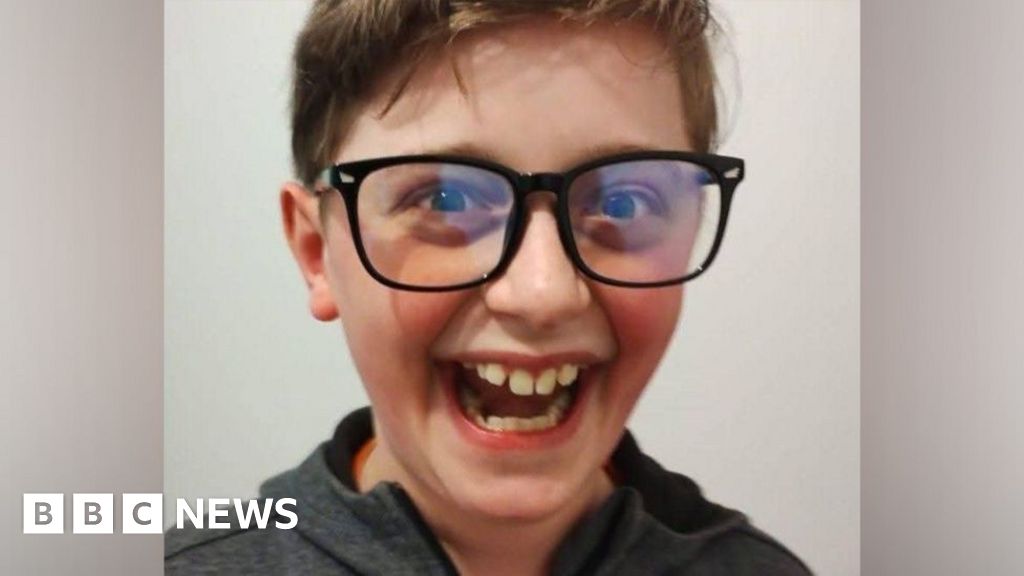
The family of a teenager who died after being diagnosed with motor neurone disease (MND) have warned that the rare, degenerative condition can affect “anyone, at any age, at any time”. Kyle, 14, from Pontypridd, Rhondda Cynon Taff, died on November 27th after being diagnosed with MND less than a year ago. The disease typically affects people over 50 and Kyle is believed to be the youngest person to die from MND in the UK.
The Family’s Experience
Kyle’s mother said: "It can happen to anyone, at any age, at any time. You need to raise as much money as possible and raise awareness to achieve a cure as quickly as possible.” His father described his son’s condition as "terrible to see" and said the family wanted to continue to raise awareness. In January, Kyle was diagnosed with MND at the age of 13 after he began to lose mobility in his arm. His condition deteriorated rapidly and he could no longer move any of his limbs.
Raising Awareness
Former rugby league star Kevin Sinfield, who is currently running seven ultramarathons in seven days to raise awareness of MND, met Kyle’s family in Swansea during his ultramarathon fundraiser for MND. Sinfield told Kyle’s family that the "community" will be there for them and Kyle will "always be remembered". He began the 7 in 7: Together Challenge in Bury St Edmunds in Suffolk on December 1 and will complete seven ultramarathons across the UK to Ireland before completing the challenge. He will run at least 45 km each day of his challenge, in 7 km stages.
Kyle’s Personality
Kyle’s family described him as "brilliant" and a "troublemaker," adding "his personality shone through." His father said the teenager was “a fighter” and received visits from many other MND sufferers in hospital. “They all thought he was brilliant,” he said. "He touched so many people, to be honest. He was amazing." Kyle’s family said in a statement: "Kyle fought with everything he had but in the end it all became too much and he died very sadly."
What is MND?
MND affects nerves in the brain and spinal cord that tell your muscles what to do. This causes muscles to become weaker and stiffer over time, ultimately affecting the way you walk, talk, eat, and breathe. It is a relatively rare condition and is most commonly diagnosed in people over 50. A person’s lifetime risk of developing MND is one in 300; Around 5,000 adults in the UK develop the disease at any one time.
