

Flu Season Hits Record High in England
Introduction to the Crisis
The number of flu patients in hospital in England has hit a record high for this time of year. NHS leaders have warned that the country is facing an unprecedented flu season. NHS figures show an average of 1,700 patients were in hospital with flu last week, which is more than 50% more than the same period last year. Early signs from this week suggest hospital admissions have continued to rise sharply since then.
The Early Start of Flu Season
Flu season is starting a month earlier than normal this year, and experts warn that a more serious strain of the virus appears to be circulating. This has led to concerns about the ability of the NHS to cope with the increased demand. England’s chief doctor has warned that the NHS needs to take diseases such as pneumonia and flu in older people much more seriously to save lives.
The Strain on Emergency Departments
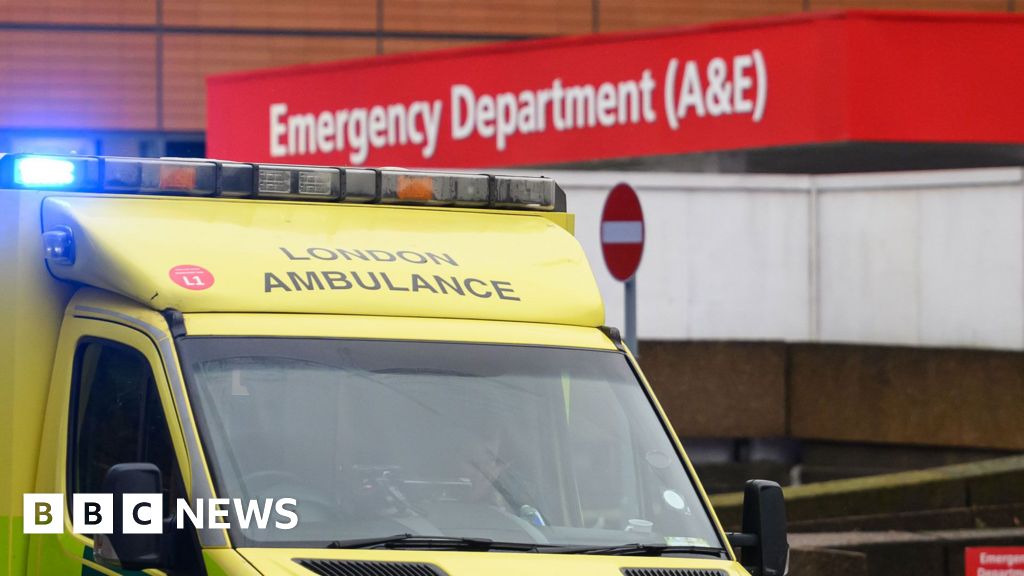
Meanwhile, NHS bosses are urging patients not to overload emergency departments with everyday trivialities. New figures show thousands visited hospitals last winter for minor ailments such as hiccups and ingrown toenails. According to NHS England, there were more than 200,000 emergency room visits in England between November and February for conditions that could have been treated elsewhere. This represents more than 2% of all attendances over the four-month period and is draining vital resources in pressured emergency departments.
Alternatives to Emergency Departments
Patients with minor complaints are advised to seek help elsewhere, including from pharmacists, GPs, and NHS 111 – either by phone or online – as some can be treated at home. This can help to reduce the strain on emergency departments and ensure that those who need urgent care can receive it.
Planning for Further Disruptions
Professionals are also planning for further doctor strikes in the run-up to Christmas. Members of the British Medical Association are taking part in a five-day strike from December 17 over their long-running pay dispute. This could put additional pressure on the NHS, which is already bracing for an unprecedented wave of flu this winter.
The Pressure on Staff
Staff could be “close to breaking point” in the coming weeks. Already, nearly 2% of beds are occupied by flu patients, with last week’s average of 1,700 the highest at this point in the winter since records began. The numbers are expected to continue to rise sharply, with estimates suggesting that between 5,000 and 8,000 beds could be occupied by flu patients by the end of next week.
The Importance of Using Services Wisely
Due to the demands on the NHS, it is essential that patients use services wisely. NHS England has released emergency department attendance figures showing that between November 1 and February 28, there were thousands of visits for minor ailments such as nasal congestion, ear pain, sore throats, ingrown nails, itchy skin, and hiccups. Treatments occurred either in large emergency departments or in hospital-run minor injury units.
Addressing the Root Causes
Although research shows that one of the factors leading to unnecessary emergency department visits is difficulty accessing GP services, recent figures show that more than a fifth of patients are unable to make contact with their GP on the day they try. The emphasis on unnecessary emergency department visits is seen by some as a pretext to distract from the pressures facing frontline workers. The real issue is the failure to address long-standing issues around capacity, workflow, and staffing, which has led to nearly half a million waits of more than 12 hours for patients in the emergency department.
