
Introduction to Tehran’s Water Crisis
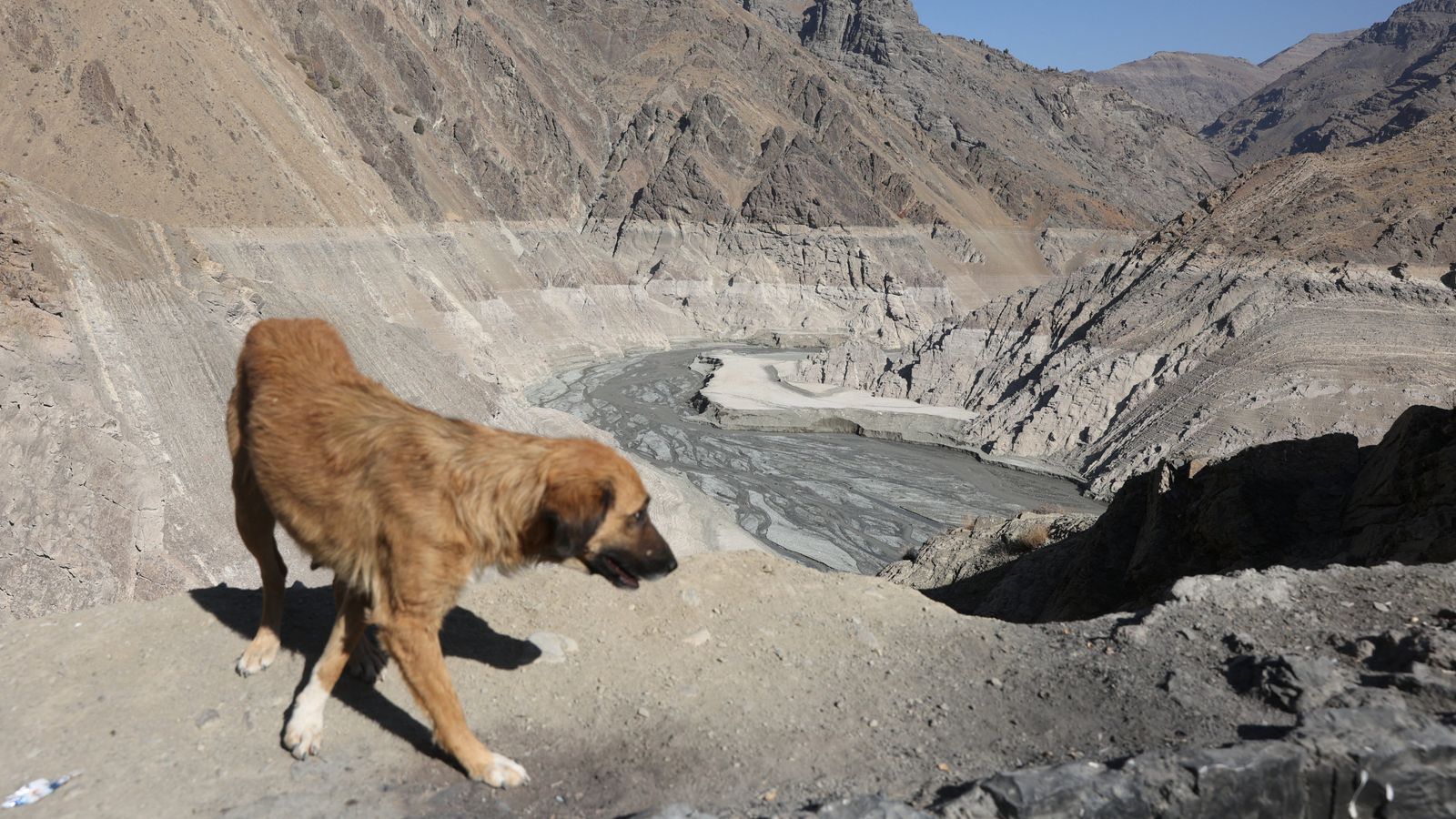
The Iranian capital is counting down to “Day Zero” – the day the water runs out and the taps dry up. Reservoirs that supply Tehran’s 15 million inhabitants are almost empty. The Karaj Dam, which supplies a quarter of the city’s drinking water, is just 8% full. Water rationing has begun in some areas, with the flow of water from taps reduced or even stopped overnight.
Causes of the Crisis
President Masoud Pezeshkian has called on people to use water sparingly – otherwise the city or at least parts of it may even have to be evacuated. After the hot, dry summer in Iran, it is likely to start raining in the fall. However, according to the country’s National Weather Forecasting Center, this was the driest September-November period in half a century, with rainfall 89% below the long-term average. The combination of low rainfall and intense heat has persisted for more than five years and has dried out the land.
Impact of Population Growth and Climate Change
The city’s population has nearly doubled from 4.9 million in 1979 to 9.7 million today. But water consumption has increased even faster, quadrupling from 346 million cubic meters in 1976 to 1.2 billion cubic meters now. Increasing wealth has enabled more people to buy washing machines and dishwashers. To supplement supplies from reservoirs, Tehran has in recent years had to rely on natural underground aquifers, which provide between 30 and 60% of its tap water. However, this puts the city in direct competition with the farmers who use the water to irrigate their crops.
Consequences of Water Scarcity
According to an analysis, water levels around Tehran are falling by 101 million cubic meters annually. This is water that has accumulated from decades of rain – and will take at least as long to replenish. Professor Kaveh Madani, former deputy head of Iran’s environment department, said chronic mismanagement of natural resources has led to what he calls water bankruptcy. He stated that these issues weren’t created overnight, but are the result of decades of poor management, lack of foresight, overconfidence, and false confidence in the performance of infrastructure and engineering projects in a relatively water-stressed country.
Global Implications
Government ministers blame climate change, water leaks from pipes, and other factors for the water shortage. Whatever the reason, it highlights the threat posed by water scarcity to global cities. Tehran is not alone. Cape Town, South Africa narrowly avoided running out of taps eight years ago after a citywide effort to conserve water. Even London, known for its rain, is at risk. Supply has not kept pace with population growth and booming demand. As Tehran has found, droughts made more likely and severe by climate change can highlight the fragility of water supplies.
