

Introduction to a New Business Model
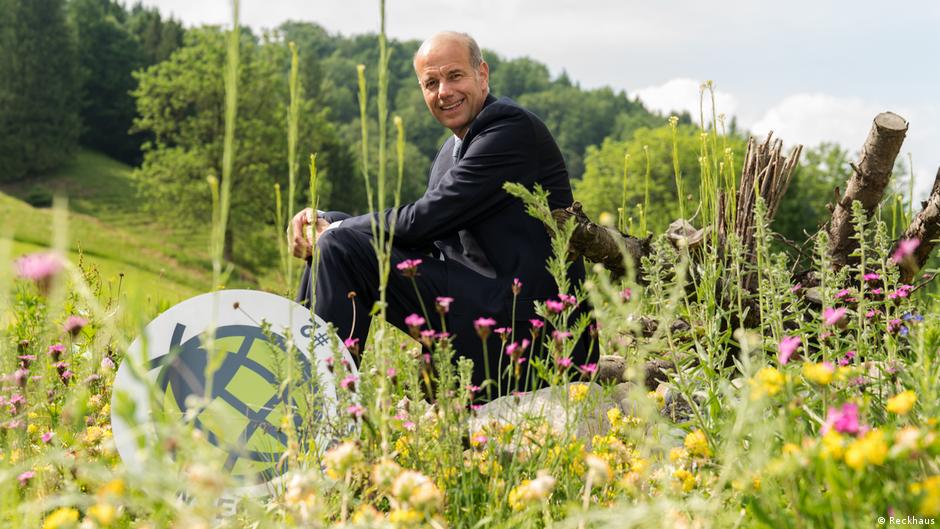
Hans-Dietrich Reckhaus, the owner of the family-owned chemical company Reckhausen in Deppendorf, Germany, made a surprising decision. He gave up a large part of the sales in his thriving company for a small amount. This decision was a result of a transformation that occurred after he approached German conceptual artists Frank and Patrik Riklin with an idea for an art project. The artists declined, stating that fly trapping and insect eradication were unethical, which completely changed Reckhaus’s attitude towards his company.
A Transformation Through Art
Reckhaus still realized the art project, but this time the focus was on saving the insects, not killing them. Many of the approximately 1,000 residents of Deppendorf took part in the project. For a week, they caught flies without harming them, and one fly, named Erika, was even chauffeured in a limousine and flown by helicopter and plane to a five-star spa hotel for a pampering session. This publicity stunt took place 13 years ago, but its impact continues to this day. It was the starting point for Reckhaus’ research into the importance of insects for nature and turned his company completely upside down.
The New Business Approach
Nowadays, on the back of every product, there is information about the importance and dangers of insects, as well as tips on how to keep them out of the house without killing them. Some products even have a warning on the front: “Caution, kills valuable insects.” Reckhaus says consumers should “buy the product, be shocked by the information, and then think about their relationship with insects.” He hopes that his customers will learn how to keep insects away from their homes and eventually stop buying the product.
Costly but Meaningful Transformation
The transformation of his company has been costly. Reckhaus has lost 30% of his sales and more than 80% of his profits in the last ten years. However, what he earns from his business today is still enough for him to “lead a good life.” He believes that his new approach is more meaningful and hopes that his customers will do the same. He wants to change the insecticide market “from the inside out” by selling products that can capture insects alive.
Changing the Market from Within
Reckhaus admits that some of his company’s products are still designed to kill insects, but he wants to compensate for the ecological damage. He had experts calculate how many insects his products would likely kill and created special compensation areas to create insect-friendly habitats. Since the decline in insects is largely due to habitat loss due to urban sprawl and industrial agriculture, the compensation is only “the first step to ease my conscience a little.” He initiated the Insect Respect label, which is awarded to certified products that are also committed to creating insect-friendly areas.
The Insect Respect Initiative
The Insect Respect initiative has gained traction, with 14 million packages bearing the label sold in Europe in 2024. Major companies such as Aldi, IKEA, and Ritter Sport have joined the initiative, creating habitats for insects and redesigning their buildings to be more insect-friendly. Reckhaus has also founded an academy, Insectemy, to train landscape gardeners to design insect-friendly areas with regional plants. He receives inquiries from all over Europe and is proud of the impact his initiative has had.
Praise and Rejection
Reckhaus’s transformation has brought him numerous awards and recognition. However, he still faces rejection from the chemical industry, which insists that all insects are harmful and should be gotten rid of quickly. He argues that climate neutrality alone is not enough and that companies should rethink their models instead of perpetuating what’s wrong. His commitment has opened many doors for people who care about insects, and he has found new allies, friends, and supporters. This brings him great joy every day.
