

Introduction to AI Glasses
If seeing the world through the eyes of artificial intelligence sounds tempting, a growing number of tech companies have just the thing: AI glasses. The latest addition comes from Alibaba, which launched smart glasses that allow wearers to access the Chinese online retailer’s Qwen AI app at the touch of a button.
Features of AI Glasses
Consumers can use the device, called Quark AI Glasses, to search the Internet, automatically create meeting notes, make payments, listen to music, and manage their schedule, among other things. They can also use the glasses’ built-in camera to take a photo of a product and instantly rate it on Alibaba’s e-commerce site Taobao. The glasses, whose price starts at 3,799 yuan (about $537), are only available in China.
History of Smart Glasses
Companies have taken this route before – often unsuccessfully. Google launched smart glasses that could be used to search the Internet, get directions, and record videos more than a decade ago. But the product failed to catch on, and consumers were put off by its $1,500 price tag. After repositioning Google Glass as a tool for businesses, the Alphabet-owned company pulled the plug in 2023.
Current Market Trends
But the idea of wearing a computer on your face instead of carrying it around in your pocket in the form of a smartphone has never gone away. Nowadays, major technology companies, including Amazon, Meta, and Xiaomi, are launching digital glasses and relying on AI as the “killer app” that convinces consumers. Dozens of smaller players are also getting involved with different products.
AI Glasses in the US
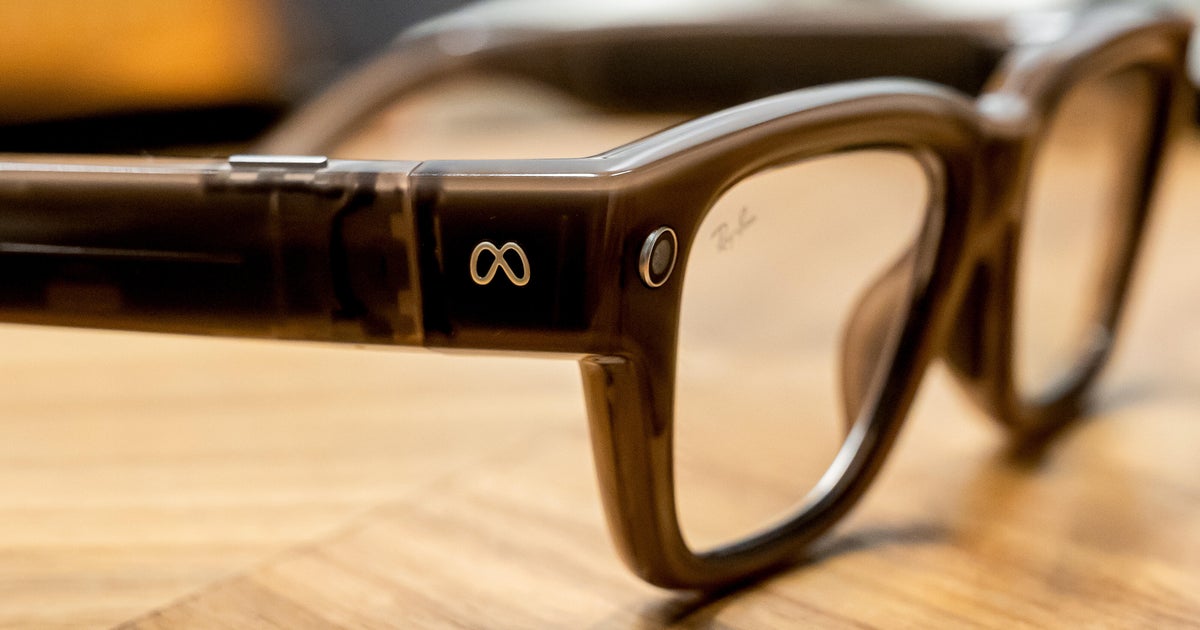
In the US, Meta teamed up with eyewear manufacturer Oakley to introduce AI glasses that allow users to make calls, send and receive text messages, listen to music, stream videos, translate foreign languages, and generally access the Internet through the company’s AI app. The product is aimed at athletes and costs from $399. Meta also offers AI glasses in a partnership with Ray-Ban.
Benefits for Users
Such devices not only attract technology fans but also users who can benefit from them in their daily lives. For example, some visually impaired people use Meta’s smart glasses to connect with volunteers for real-time help with tasks like shopping or going through the mail.
Market Forecast
Even if data glasses remain a niche product, tech market researcher IDC forecasts steady growth, from global sales of 9.4 million units this year to nearly 20 million in 2029. About 17% of online adults in the US say they have tried smart glasses, compared to 4% in 2024.
Challenges Ahead
According to security experts, AI glasses must overcome one obstacle to achieve wider adoption: data protection. Smart glasses collect, store, and share personal data, while their ability to record and stream video raises thorny questions about filming people without their consent.
