

Budget Announcement
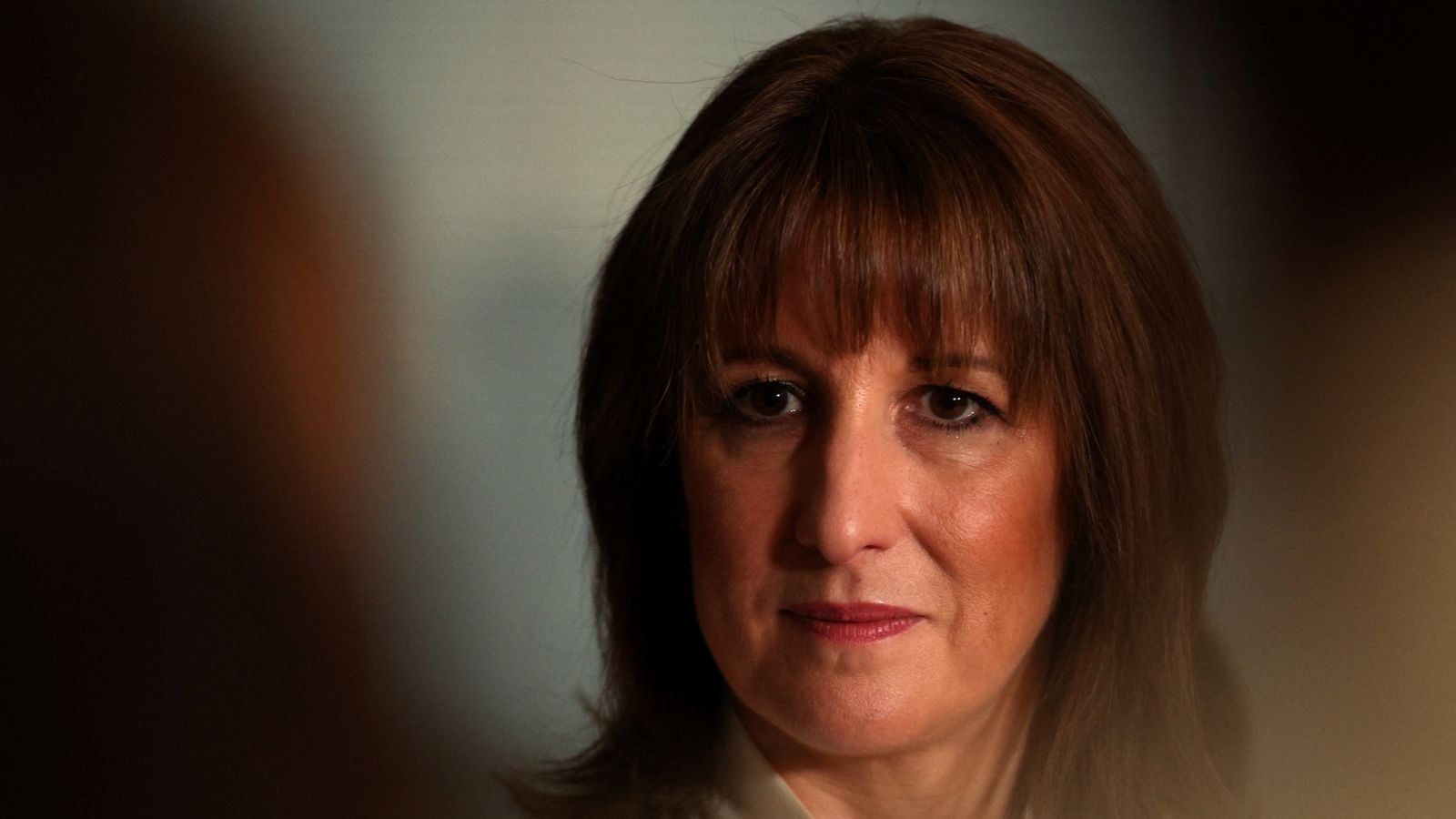
Rachel Reeves is facing more questions after being accused of leading a manifesto-busting Budget by increasing taxes by £26 billion. The Chancellor has admitted she is “asking ordinary people to pay a little more” after making a series of announcements including extending the freeze on income tax bands.
Tax Increases
The Chancellor argued that this was not a breach of the Labor manifesto, as the tariffs themselves had not changed. Ms. Reeves said the party’s election document was "very clear" that rates of income tax, national insurance, and VAT would not be increased. However, she added: "If you’re asking whether this comes at a cost to working people? I admit there is."
New Measures
The new measures include:
- A “mansion tax” on properties worth over £2 million
- New taxes on the gambling industry set to raise more than £1bn
- A new mileage tax for electric vehicles from April 2028
- Reducing the amount you can save in a tax-free cash ISA from £20,000 to £12,000, except for over-65s
- People paying into a pension under salary sacrifice schemes will be subject to National Insurance for contributions over £2,000
Reaction to the Budget
The tax increases, published by the Office for Budget Responsibility (OBR), are mainly needed to finance increased social spending. Ms. Reeves announced the abolition of the two-child benefit cap, which was expected to lift 450,000 children out of poverty. Tory leader Kemi Badenoch accused her of “raising taxes on workers, pensioners, and savers to pay pittances” and claimed the budget would increase benefits for 560,000 families by an average of £5,000.
Criticism
Ms. Reeves had tried to cut the welfare bill earlier this year, but the government was forced into a damaging retreat after backbench Labor MPs rebelled. “She could have chosen today to cut welfare spending and put more people into work,” Ms. Badenoch told the House of Commons on Wednesday. “Instead, she chose to raise the after-tax rate.” She called for the Chancellor to resign.
Economic Think Tanks’ Verdict
The Institute for Fiscal Studies (IFS) and the left-leaning Resolution Foundation have already expressed criticism in their immediate judgments. The former have described the budget as “spend now, pay later”, with increased reliance on tax increases over time. The Resolution Foundation warned of a hit to living standards because of Ms. Reeves’ measures, although it said measures to cut household energy costs and freeze rail and prescription charges would help people.
Conclusion
The head of the OBR is also facing further questions today as he continues to be under pressure about how his forecast of the Chancellor’s announcements was published in advance. The budget is expected to have a significant impact on the economy and living standards, and its effects will be closely watched in the coming days and weeks.
