

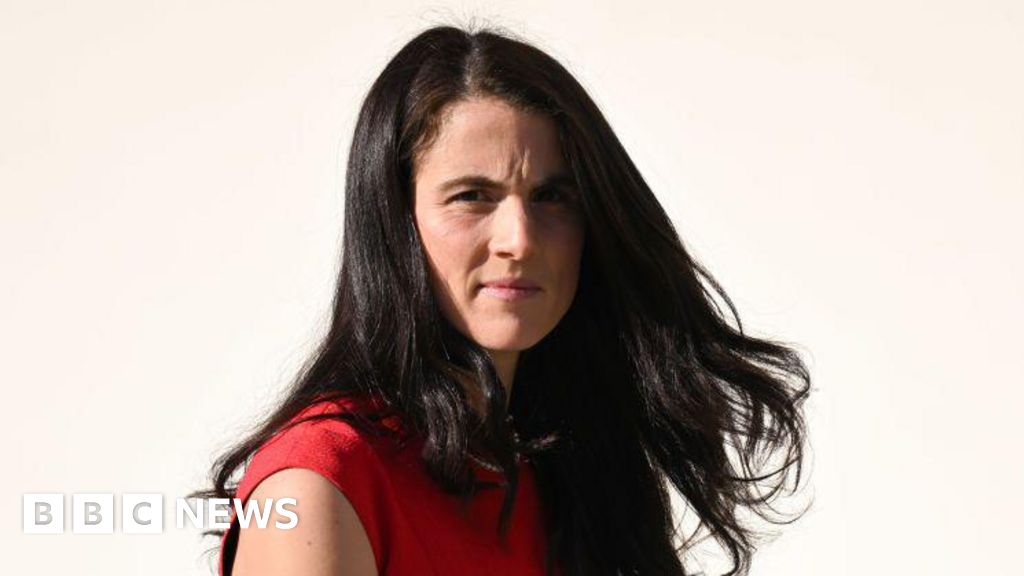
A Personal Battle with Cancer
Tatiana Schlossberg, a 35-year-old mother of two, has been diagnosed with terminal cancer. Her emotional essay about her diagnosis and battle with the disease has touched many Americans. Schlossberg was diagnosed with acute myeloid leukemia (AML), an aggressive blood cancer, shortly after the birth of her second child. She has less than a year to live.
The Diagnosis
Schlossberg’s diagnosis came as a shock to her, as she considered herself to be one of the healthiest people she knew. She was diagnosed after doctors found an unusually high white blood cell count following the birth of her daughter. The cancer, which affects both the bone marrow and the blood, is rare, affecting four in 100,000 adults each year.
The Dangers of Acute Myeloid Leukemia
One of the dangers of acute myeloid leukemia is that it appears suddenly and can become undetectable within a few days, affecting hundreds of cells. The rare genetic mutation that Schlossberg has makes her cancer even more dangerous. It is one of the few subgroups of acute myeloid leukemia for which there are few effective treatments, meaning remissions or cures are the minority.
Treatment Options
The most common treatments for acute myeloid leukemia include bone marrow transplants, chemotherapy, and clinical trials. Schlossberg has tried them all, including a clinical trial of CAR T-cell therapy, a type of immunotherapy for certain blood cancers. Although therapy has been revolutionary for other types of leukemia, this is less the case for acute myeloid leukemia.
The Need for More Funding
Schlossberg’s struggle highlights the need for more funding to develop better screening tools and treatments for all patients. Despite having access to the best care, her prognosis remains poor. Doctors say that more research is needed to combat treatment-resistant cancers like acute myeloid leukemia. The recent cuts to research funding, including for cancer, have had a chilling effect on the entire research community.
A Call to Action
Schlossberg’s essay has helped raise awareness of the deadly disease and the urgent need for more funding and research. Doctors and researchers say that her story underscores the need for more shots on goal to develop successful therapies. With more funding, researchers may be able to develop better treatments and improve the prognosis for patients like Schlossberg.
