

The Climate Summit Showdown
The question of how to talk about fossil fuels dominated this year’s UN climate negotiations. It took 28 COP meetings to even include those words in an agreement, and finally, in Dubai in 2023, the promise to “digress from fossil fuels” came. However, few countries have done much about it since then.
The Push for a Plan
Two years later, there was a push for a plan in Brazil at COP30. The question of how to actually transition from fossil fuels gained momentum, gaining support from at least 80 countries. The proposal was made more credible by the fact that it was supported not only by wealthy Europeans like Britain and Germany but also by countries including oil-rich Sierra Leone and coal giant Colombia.
Opposition from Fossil Fuel Economies
However, it was too much for economies that rely on fossil fuels, such as Russia and the Arab negotiating group. A bombshell draft of the final deal that landed on the table Friday eliminated all three previous proposals for a fossil fuel plan. EU Commissioner Wopke Hoekstra was furious, stating that the current proposal was a nonstarter and that they needed to step it up significantly.
The All-Night Negotiation Session
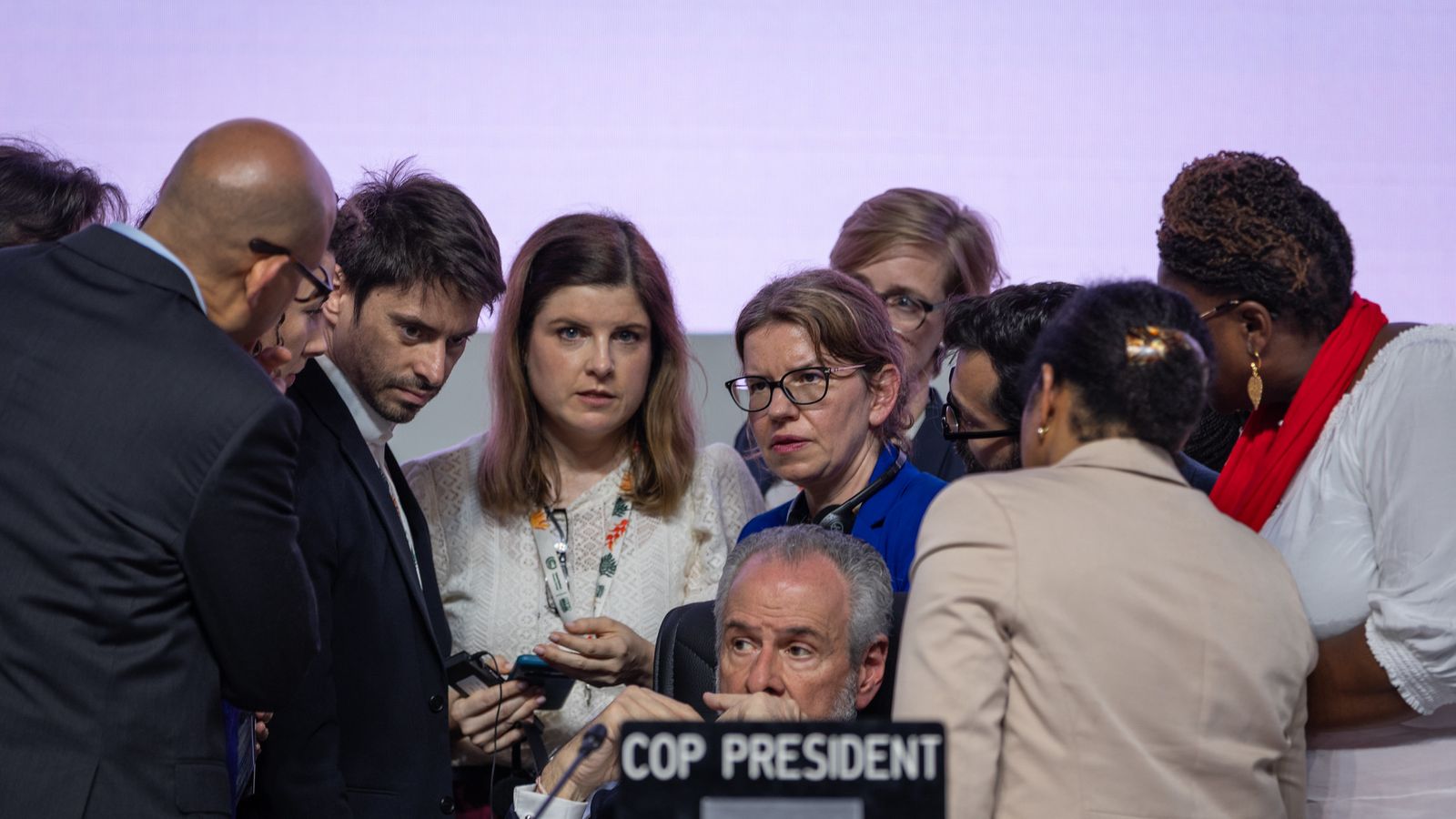
The late-night session was kept alive by coffee, saltine crackers, and traditional Brazilian cheese dough balls. The protagonists on one side included China, Saudi Arabia, and India, which are already transitioning their energy systems away from fossil fuels but are resentful of being asked to do so more quickly by countries that have already become rich on fossil fuels. On the other side were the UK, EU, Latin American countries, and small island states, which felt that the credibility of the COP process would be at stake if they did not make progress on tackling fossil fuels.
A New Morning and a Fragile Agreement
As the sun rose on Saturday morning, a path finally appeared inside the venue. The bleary-eyed ministers and negotiators concluded that they could hint at a fossil fuel plan but without saying the words out loud. The final agreement promises to “accelerate implementation” while taking into account previous decisions, such as the UAE consensus – a reference to the earlier promise on fossil fuels. The climate-friendly countries accepted the compromise and a voluntary process on fossil fuels to be initiated outside the COP process.
Disappointment Behind the Applause
When the President of the COP announced the agreement as concluded and banged his ceremonial gavel, the room erupted in a standing ovation. However, the truth is that the applause masked a lot of disappointment. The COP is the annual test of the world’s willingness to fight climate change and work together – and both are falling out of fashion. What really made them happy was that they had a deal at all.
Glimmers of Hope
A few glimmers of hope came from other promises to finally triple funding for developing countries to cope with increasingly extreme weather events, more money for forests, and a recognition that the transition to clean energy must be fair for workers and communities. The final package was not a crowning achievement of the COP process but a glue that temporarily held the process together in a fragmented world.
