

Introduction to Data Centers in Portugal
Large data centers are being planned across Portugal, promising thousands of jobs and significant investment. It is crucial that this development is not limited to the economic centers near the coast, but also extends to long-neglected inland regions. In these areas, once marked by out-migration, mayors are now announcing multi-million or even billion-euro projects aimed at creating new jobs and boosting the local economy.
Data Center Initiatives
In Fundao, a small town in central Portugal near the Spanish border, the mayor is promoting a data center initiative worth 4 billion euros. About 100 kilometers further south in Abrantes, a new data center is expected to cost 7 billion euros. By 2030, authorities expect that this center alone will create 450 direct jobs and several hundred indirect jobs.
Flagship Project in Sines
Portugal’s largest facility of its kind – described as the flagship of the country’s data center strategy – is being built in Sines on the south coast. It is equipped with an investment of 8.5 billion euros and includes connection to a transatlantic fiber optic cable from the USA. The current plans also include a “gigafactory” for artificial intelligence (AI), the cost of which is estimated at 4 billion euros.
Energy Consumption
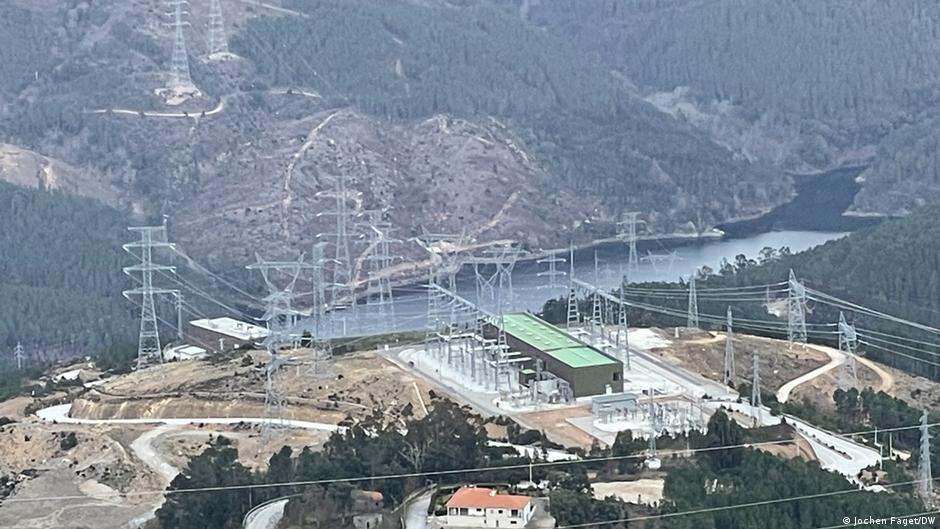
The developers of all planned plants have registered an energy requirement of 26.5 gigawatts (GW) – an amount that exceeds Portugal’s current production capacity of around 23.4 GW. Renewable and cost-effective electricity should be the main source of energy in all projects. Electricity and network expert notes that companies often declare their energy needs "well above actual needs," sometimes for multiple locations even though they ultimately chose only one.
Expansion of Renewable Energies and Storage Capacities
Data centers consume significant amounts of electricity, both for daily operations and for cooling in summer or heating in winter. To meet this demand, expansion of solar capacity and new offshore wind turbines are required as onshore sites are largely exhausted. However, offshore construction is more expensive, particularly because floating wind farms are the only possible solution off the coast of Portugal.
Environmental Decline
Environmental groups are increasingly concerned about these developments. Protests are growing against large wind and solar installations, many of which have been approved under limited environmental oversight, including in nature reserves. Environmental groups would "fundamentally" support the construction of data centers, but new wind or solar projects must be built with minimal environmental impact.
Alternative Network Solutions and Consumer Costs
Innovative solutions can still be achieved, such as transmitting electricity to where it is needed via undersea cables. However, politicians will ultimately have to make a decision and tell taxpayers that they will have to bear the majority of the costs of grid expansion. Spending on electricity infrastructure is part of Portuguese consumers’ electricity bills, and adding even higher costs is likely to cause controversy as retail electricity prices in the country are already twice as high as those charged to industrial customers.
