

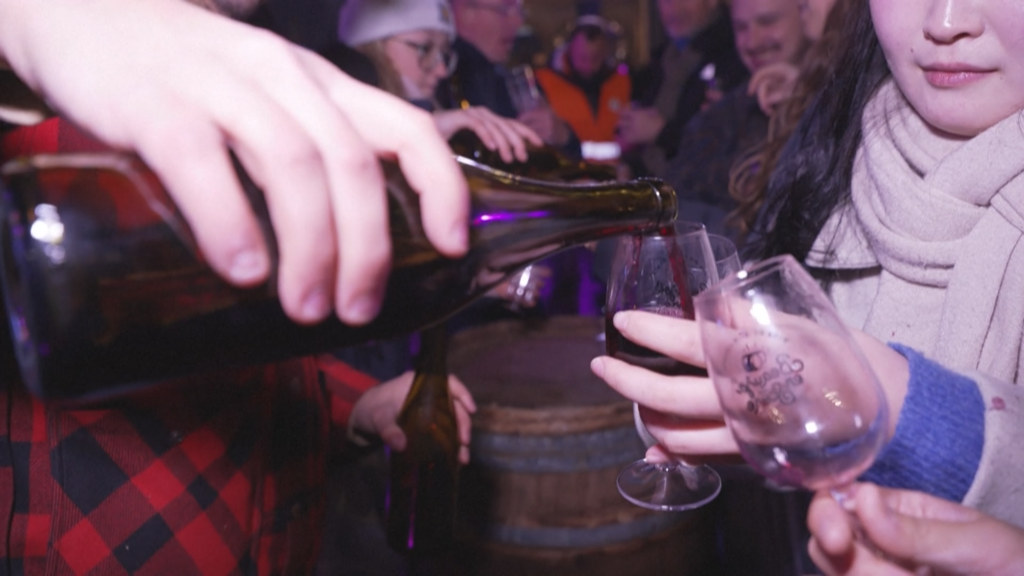
Introduction to Beaujolais Nouveau
The third Thursday in November marks a significant day for wine enthusiasts, as it signals the release of this year’s Beaujolais Nouveau. This wine was once extremely popular, particularly in the 1980s, but its sales have declined substantially over the years.
The Decline of Beaujolais Nouveau
The decline in sales of Beaujolais Nouveau is part of a larger issue affecting the entire French wine sector. The industry has been facing numerous challenges, including the impact of climate change, trade tensions, and a decrease in demand for wine. These factors have combined to create a difficult environment for wine producers in France.
Impact of Climate Change
Climate change has had a significant impact on the French wine industry. Rising temperatures and changing weather patterns have affected the quality and quantity of grape harvests, making it challenging for producers to maintain the high standards of their wines. This, in turn, has affected the sales of wines like Beaujolais Nouveau, as consumers may perceive the quality to be inconsistent.
Trade Tensions and Demand
Trade tensions have also played a role in the decline of the French wine sector. Tariffs and other trade barriers have made it more difficult for French wines to compete in the global market, leading to a decrease in exports. Additionally, there has been a general decline in demand for wine, particularly among younger generations, who are increasingly opting for other beverages.
The Future of Beaujolais Nouveau
Despite the challenges facing the French wine industry, there is still hope for the future of Beaujolais Nouveau. Many producers are adapting to the changing climate and market conditions by implementing sustainable practices and innovating their production methods. Furthermore, there is a growing interest in unique and high-quality wines, which could potentially benefit Beaujolais Nouveau if producers can effectively market and distribute their products to meet this demand.
