

Introduction to Alzheimer’s Disease
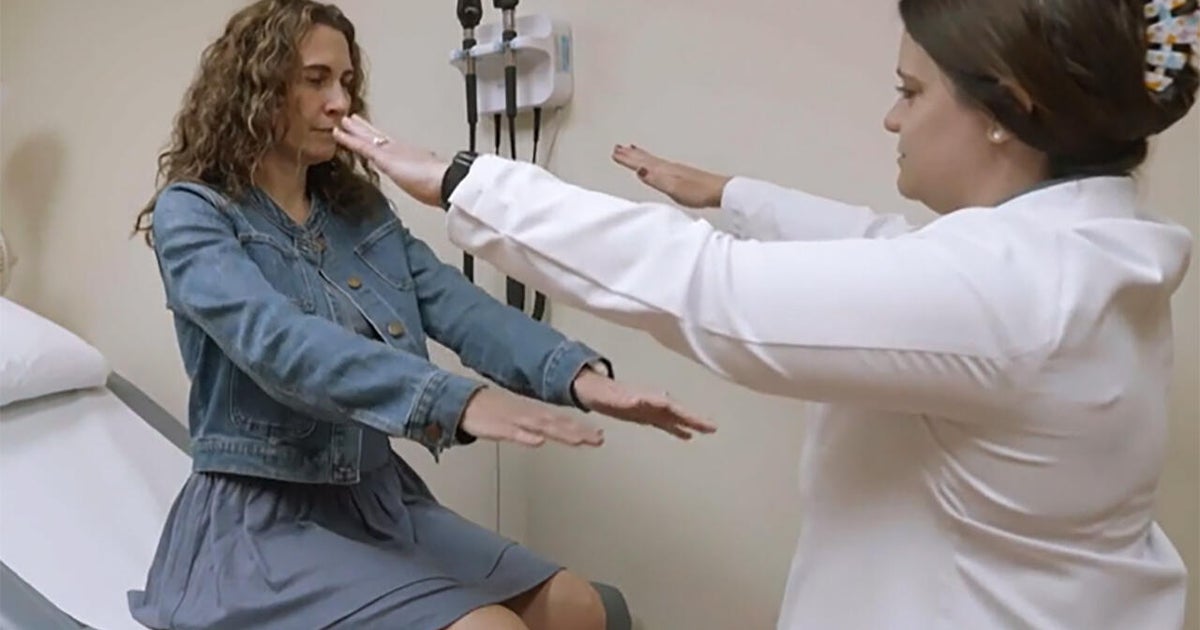
Carrie Richardson, 44, has early-onset Alzheimer’s disease, a condition caused by rare genetic mutations that guarantee the development of the disease. Her mother, Mary Salter, has lost seven family members to the disease, including her son Bryan, who died last year. Carrie, her mother, and her daughter Hannah are participating in clinical trials for Alzheimer’s prevention at Washington University School of Medicine.
The Trials and Treatment
Dr. Randy Bateman leads international clinical trials at WashU Medicine and is optimistic about the chances of changing the course of the disease. Recent success in treating mild Alzheimer’s disease with drugs that remove amyloid plaques has shown promising results, slowing cognitive decline. "People who have their plaques removed do 30 percent better than people who don’t have their plaques removed," Bateman said. The goal of the trials is to study the effects of treatment before Alzheimer’s symptoms are visible, as timing is critical in the effectiveness of the treatment.
Personal Stories and the Impact of Funding
Jake Heinrichs, a Broadway theater electrician, carries one of the early-onset genes and began treatment in Bateman’s trial in 2013. He is now receiving an antibody called lecanemab and has shown no cognitive decline. However, funding for Alzheimer’s research is uncertain, with the Trump administration’s budget cuts contributing to a precarious situation. Philanthropist Bill Gates has invested over $300 million in Alzheimer’s research and emphasizes the importance of continued funding, saying, "Let’s double down on this disease."
The Role of Artificial Intelligence and Future Research
Gates sees a significant role for artificial intelligence in Alzheimer’s research, as it can absorb large amounts of data and find meaning in it. The early clinical trials are expected to continue for at least five years and involve hundreds of people at 40 sites around the world. If successful, this could introduce routine screening for Alzheimer’s with a simple blood test. Researchers are also exploring the administration of drug cocktails that target not only amyloid but also other possible culprits such as brain inflammation and a damaging nerve cell protein called tau.
Hope for the Future
Jake Heinrichs undergoes regular tests to monitor his brain function and see if he can avoid his genetic fate. His four-year-old son, Sam, is living proof of the hope that comes from belief in science and a leap of faith. Jake’s participation in the study has given him hope that in the future, people will no longer have to fear the scourge of Alzheimer’s. As research continues, there is a chance to change the course of the disease and give people years without dementia.
