

Inflation Rate Falls to 3.6%
The inflation rate has fallen to 3.6%, which is a better reading for the economy. The Office for National Statistics (ONS) said the slowdown in the consumer price index (CPI) from the 3.8% annual figure recorded the previous month was largely due to weaker housing effects, particularly from energy bills.
Causes of the Slowdown
ONS chief economist Grant Fitzner said: "Inflation eased in October, largely due to gas and electricity prices rising less than this time last year due to changes to the Ofgem energy price cap." Hotel costs were also a downward driver as prices fell this month. These were only partially offset by rising food prices that occurred after the decline in September.
Risks to the Economy
The annual raw material costs for companies continued to rise, at the same time factory prices also rose. This is seen as a risk to economists’ expectations that the British economy is now past the peak of price increases after a rise this year that has caused concern among Bank of England rate-setters.
Impact on Household Purchasing Power
The October data marked the first decline in the inflation rate since March. The figure is widely expected to gradually fall in the coming months, helping to protect household purchasing power from a slowdown in wage growth. However, key risks include shocks within the global economy and the impact of possible measures in next week’s budget.
Food Inflation
Food inflation rose to 4.9% from 4.5%. Other factors also contributed, such as high global demand for chicken and shrinking cattle stocks in the UK, which drove up beef costs. Poor cocoa and coffee harvests have also caused prices to rise this year, with chocolate hitting record levels this summer.
Energy Prices
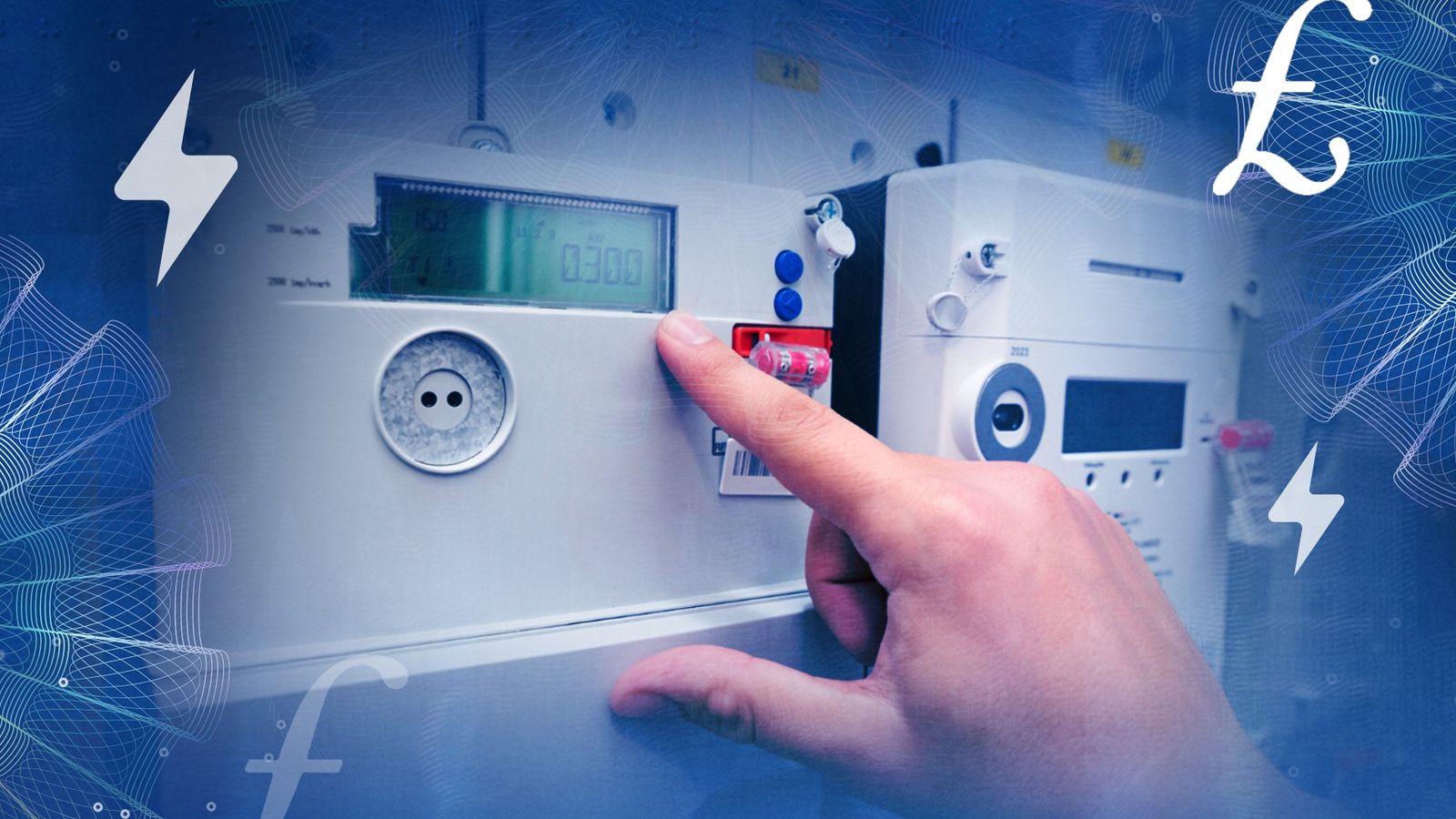
Energy is also an important factor, although bills have stabilized this year largely thanks to healthy global natural gas supplies. However, petrol and diesel costs could become a bigger problem for inflation. The AA blames global factors for fuel prices in the UK approaching their highest level in seven months.
Government Response
Commenting on the ONS figures, the Chancellor said: “This fall in inflation is good news for households and businesses across the country, but I am determined to do more to bring prices down.” The Chancellor plans to make fair decisions to meet the public’s priorities and cut NHS waiting lists, reduce the national debt, and lower the cost of living in the upcoming budget.
Economic Forecasts
The Bank of England assumes that its 2% inflation target will not be reached until early 2027. Stubborn inflation in the UK has threatened the pace of interest rate cuts, but at least financial markets are expecting policymakers to agree to a further quarter-point cut next month due to weakness in economic growth and the labor market. Official figures showed last week that the UK unemployment rate rose to 5% from 4.8% and the pace of wage growth continued its gradual decline. Economic output also continued to slow in the third quarter of the year and was only 0.1%.
