

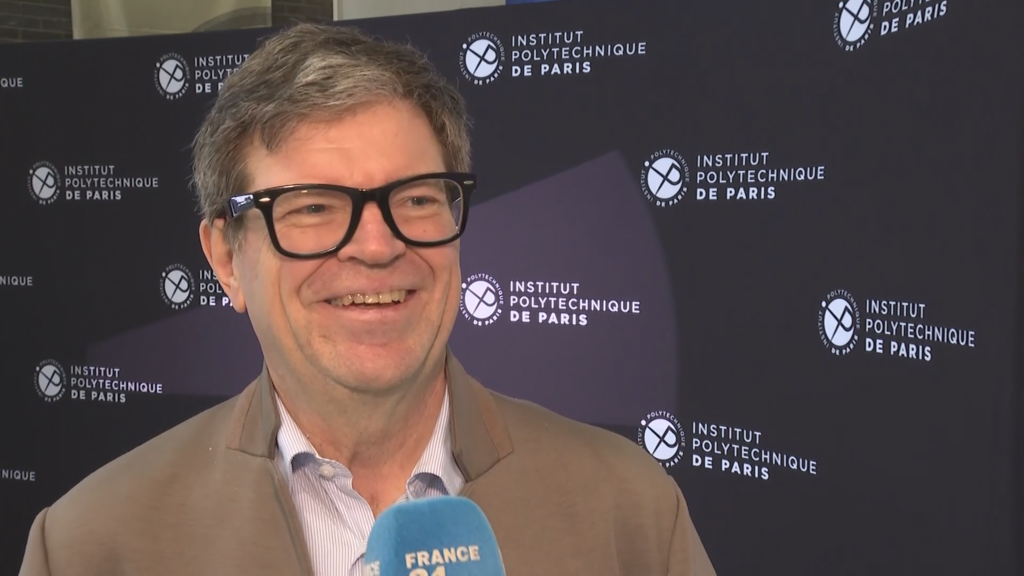
Introduction to a New Era in AI
Yann Le Cun, a pioneering figure in the field of artificial intelligence, is leaving his position after dedicating over a decade to advancing AI research. This move comes as a significant shift in the landscape of AI development, particularly at a time when the field is experiencing rapid growth and innovation.
Background on Yann Le Cun’s Contributions
Le Cun has been instrumental in the development of artificial intelligence, earning him the title of one of the "godfathers of AI." His work has been pivotal in shaping the direction of AI research, with a focus on creating more sophisticated and intelligent systems.
The Shift in Belief
Le Cun has expressed a change in his perspective regarding the path to achieving superhuman intelligence. Previously, he believed that scaling large language models, similar to those used in ChatGPT, was the key to unlocking this level of intelligence. However, he now holds a different view, suggesting that this approach may not be the most effective way forward.
The Concept of "World Models"
Le Cun’s new focus is on "world models," an innovative approach to AI that mimics the way humans learn. Unlike traditional AI systems that are programmed with specific tasks, world models learn through interaction with their environment, much like a baby learns about the world. This method has the potential to create more versatile and adaptive AI systems.
Implications of Le Cun’s New Direction
The shift in Le Cun’s beliefs and his departure from his current role mark a significant turning point in the development of artificial intelligence. As one of the leading figures in the field, his change in perspective could influence the direction of future research and development. The concept of world models presents an exciting and promising avenue for AI research, with potential applications across various industries and domains.
Future of AI Development
The future of AI development is likely to be shaped by innovative approaches such as world models. As researchers and developers explore new methods for creating intelligent systems, the potential for breakthroughs and advancements becomes increasingly promising. Le Cun’s contribution to this shift in focus serves as a reminder of the dynamic and evolving nature of the field of artificial intelligence.
