

The State of the Economy
The economy is stagnating, and this has significant implications for the upcoming budget. A recent cyber attack on Jaguar Land Rover (JLR) resulted in a 28.6% drop in automobile production, which in turn caused the British economy to fall by 0.1% instead of growing by 0.1%. This incident highlights the precarious state of the economy, where a single event can have a significant impact on the overall GDP.
The Impact of the Cyber Attack
The cyber attack on JLR was a major factor in the decline of the British economy. Even if only half of the fall in output is attributed to the hack, it is clear that the incident had a substantial impact. This is unusual, as a single company’s performance rarely influences the overall GDP numbers. The fact that this episode did have an impact says something about the depth of the problems caused by the hack and the concentration of the British car industry.
Economic Performance
Ignoring the JLR incident, the economic performance is essentially stagnating. After a strong start to the year, activity has been subdued, which affects everyone’s lives. The lack of economic growth means that the country gets better more slowly, and it also has consequences for public finances. The less money generated across the country, the less tax revenue flows into the treasury, and the larger the treasury deficit becomes.
Implications for the Budget
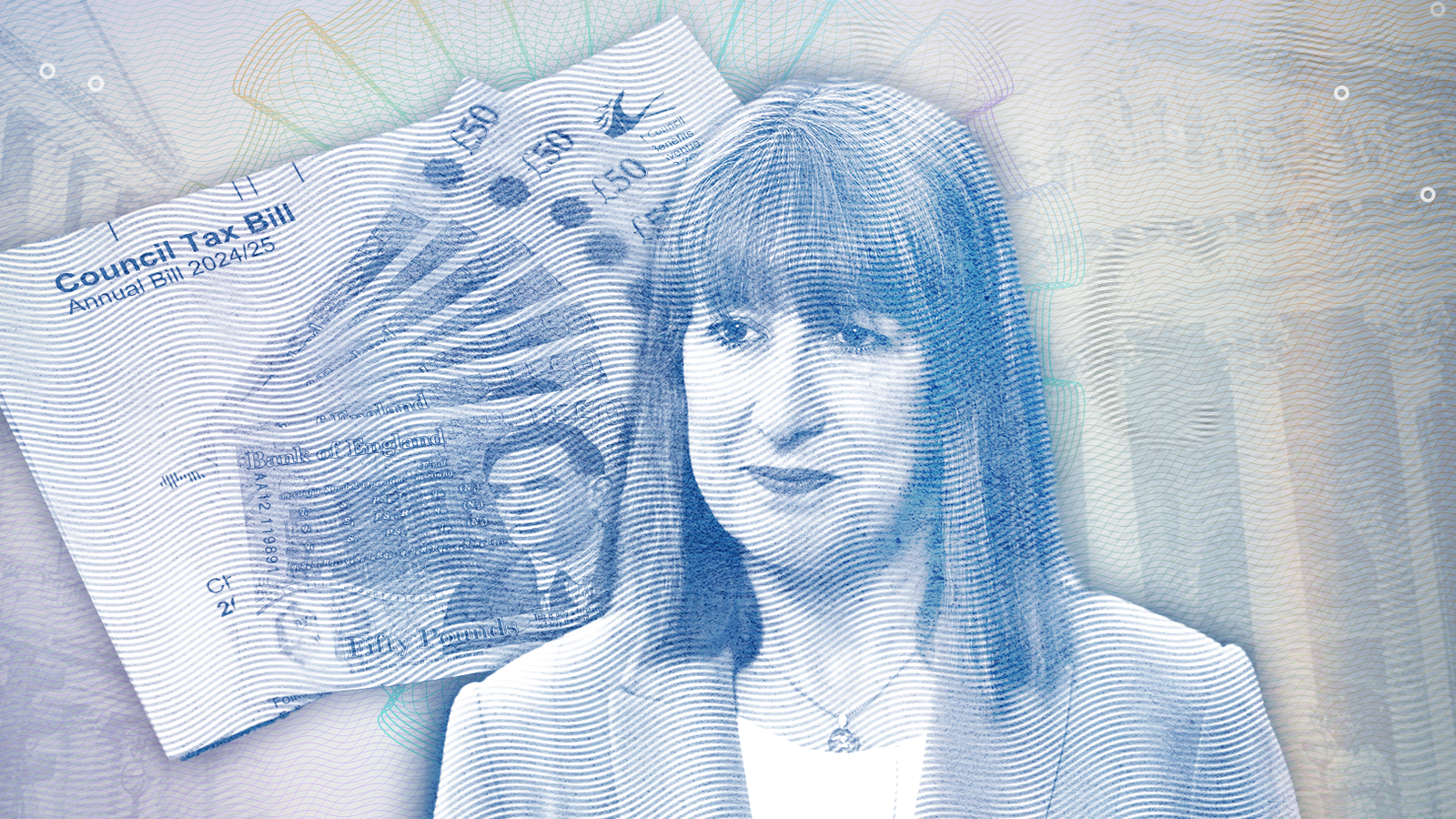
The stagnant economy has significant implications for the upcoming budget. The Chancellor is expected to raise taxes due to the Office for Budget Responsibility’s (OBR) expected cut in its estimate for underlying economic growth. This, in turn, will increase the size of the deficit. The Chancellor faces numerous challenges, including paying for the U-turn on winter fuel and benefits reforms, tackling long-term unemployment, and protecting capital spending.
Challenges Ahead
Achieving the Chancellor’s goals will be extremely challenging, especially with economic growth on a knife’s edge. The list of issues to be addressed is growing, and it includes dealing with the fallout from a global trade war. The task would have been difficult enough with previously expected economic growth of around 2.5%, but it is even more daunting with the current state of the economy.
