

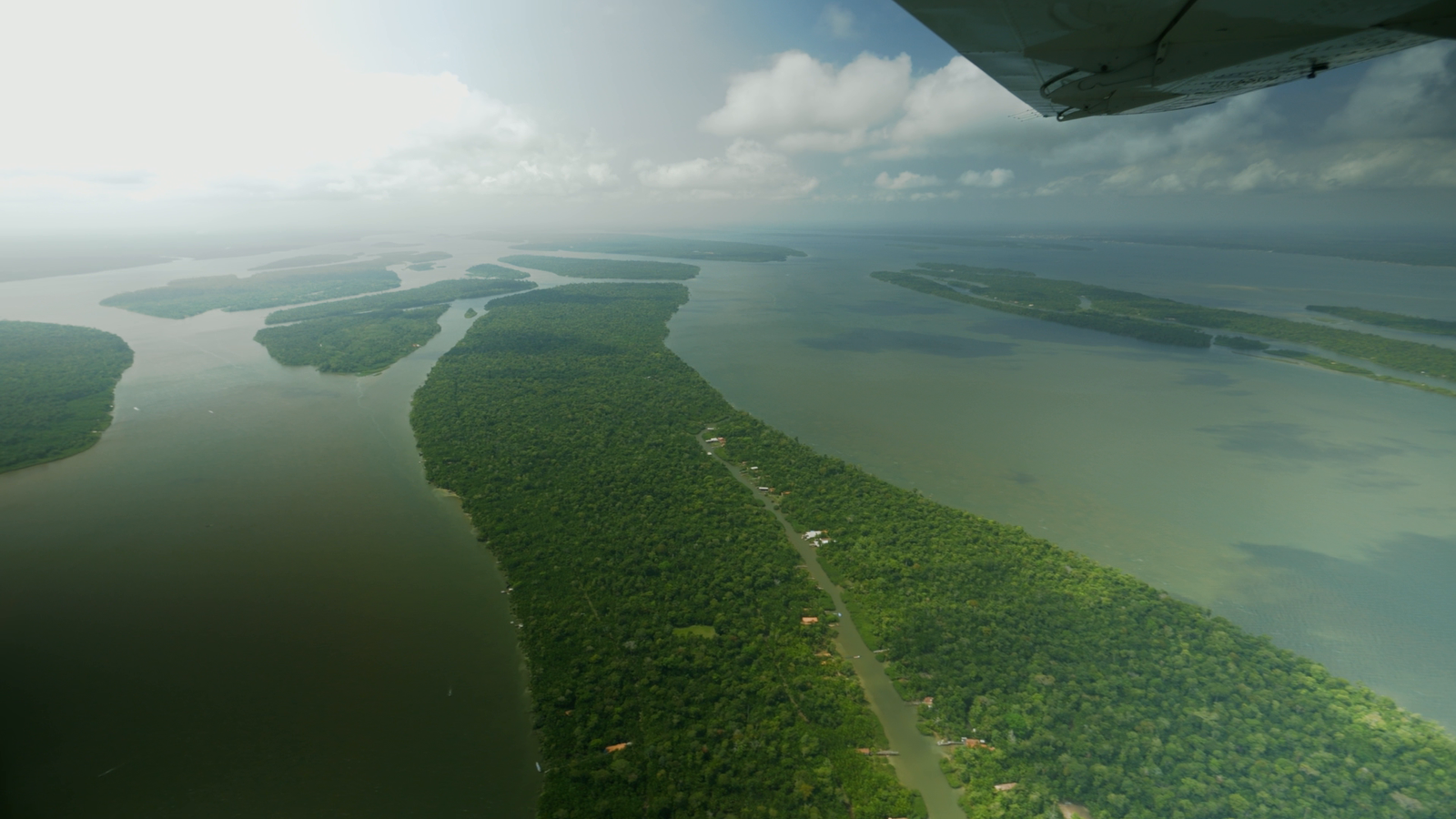
Brazil’s New Investment Fund to Protect Tropical Forests
Brazil was "somewhat surprised" that Britain did not contribute to a new investment fund to protect tropical forests, despite helping to design it. The Amazon nation has used its role as host of the COP30 climate talks to promote its new program, which it has drawn up with the help of countries including Britain and Indonesia.
The Tropical Forests Forever Facility (TFFF)
The TFFF was developed with the help of "very smart people from the UK," according to Garo Batmanian, director general of the Brazilian Forestry Service and coordinator of the new program. Britain’s climate chief Rachel Kyte told Sky News that the decision was about not doing it now and not ever. The fund was hailed as a breakthrough – if Brazil can get it off the ground.
Why Tropical Forests Need Help
At their best, tropical forests like the Amazon and the Congo Basin provide food, rain, and clean air to millions of people around the world. They absorb carbon dioxide – the main driver of climate change – and provide a cooling effect on a warming planet. But they are being destroyed by extractive industries like oil, logging, soy, and gold. Parts of the Amazon rainforest already emit more carbon dioxide than they store.
The Impact of Deforestation
Science says we must stop deforestation immediately and start restoring what was once lost. According to Greenpeace, deforested areas could be put to better use, which would save the need for further deforestation. Cristiane Mazzetti, senior forest campaigner at Greenpeace Brazil, said: "And in Brazil, we already have enough open land that could be better used for agricultural expansion… There is no need" to open up new areas.
How the TFFF Works
The TFFF is an investment fund that would compete with other commercial offerings. The idea is to raise an initial tranche of cash from governments to reduce the fund’s risk to retail investors. Every $1 invested by governments could attract another $4 in private money. Brazil hopes that the TFFF would then be able to take on more risk to achieve above-market returns.
Challenges Ahead
Getting the proposal off the ground requires at least $10 billion to $25 billion in government funding. So far, the company has raised $5.5 billion from countries including Norway, France, and Indonesia. But generating enough money to compete with lucrative industries like gold and oil is a difficult task. Dr. Andreza Aruska de Souza Santos, director of the Brazil Institute at King’s College London, said TFFF had the potential to make it "very financially viable to have a forest as a forest". However, the problem is that TFFF would have to compete with these very profitable industries.
