

Introduction to the Strike
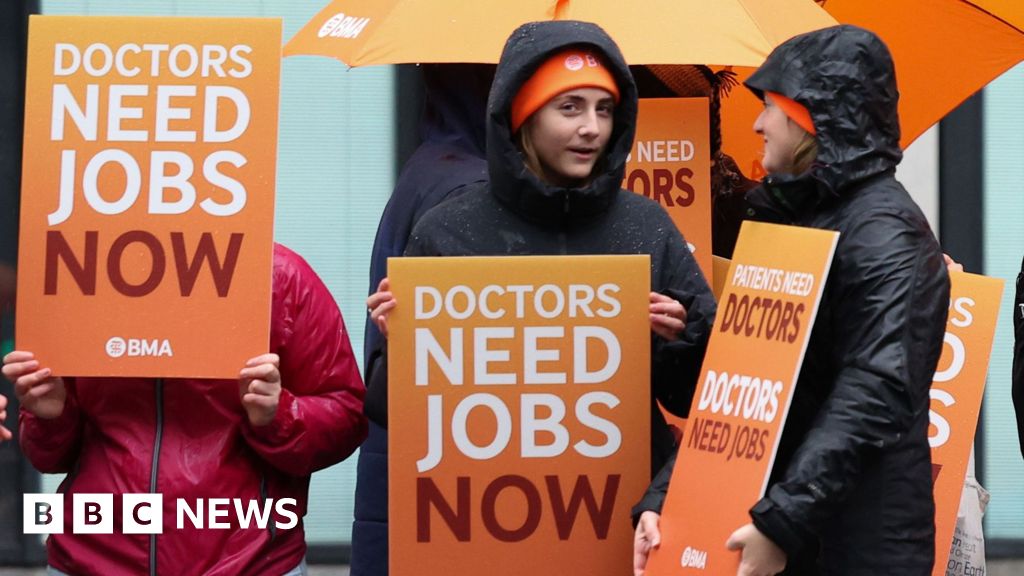
Another strike by doctors over pay is bringing “pain and misery” to patients, says Health Minister. The five-day strike by junior doctors runs until 07:00 GMT on Wednesday in England. According to the British Medical Association (BMA), they are still not paid enough and there are too few training places or jobs.
Impact on Patients
The NHS says almost all services will continue and patients should keep their appointments unless otherwise stated. Hospitals will be hit the hardest – practicing physicians make up about half of their medical staff. NHS England says it wants to keep 95% of non-urgent work, such as hip and knee operations, running by redistributing consultants and other senior doctors and offering overtime and relying on those not striking not to strike. Around a third of practicing doctors are not BMA members and will be employed. However, this will come at a significant cost, with the NHS estimating that covering the five-day strike will cost £240 million.
Canceled Appointments
Despite attempts to maintain services, the urgent appointment for a check-up for 23-year-old Chloe Rogers from Nottingham was cancelled. Chloe says she received the news via text message, with no new date announced. Chloe had a private MRI scan two months ago which revealed signs of endometriosis on her bowel and ovaries. The appointment was to “figure out the next steps” in her medical care, she says. “When I read the text I was honestly heartbroken and this is not the first appointment of mine that has been canceled or rescheduled,” Chloe said. "This is something that affects my quality of life. This has been going on for two years now. These strikes are affecting people’s quality of life."
Doctors’ Perspective
Dr. Vicky Alner, a consultant geriatrician at Milton Keynes University Hospital, said her rounds took much longer than usual today because of the doctors’ strike. Some resident doctors observed the strike in their hospital, but others came. She says there is a safe level of staffing on all wards, but it’s just less efficient and everything is happening more slowly than usual. “The most important thing is to ensure the safety of our patients,” says Dr. Alner. "Normally we would have four resident doctors per ward, and now we may only have one or none at all. And we rely on the specialists to treat everyone. But everyone has stuck together so that we can cover all our emergency plans," she said.
Wage Dispute
NHS England medical director Prof Meghana Pandit said it was frustrating and disappointing that another round – the 13th – of industrial action had come at a challenging time for the NHS, with flu cases rising earlier than usual in the autumn. “Despite this, staff across the NHS are working extremely hard to maintain care and limit disruption,” she added. But BMA boss Dr. Tom Dolphin said it was “challenging” to keep most services running. He said doctors had a legal right to strike and should not be “bullied or forced to work.” He warned his members that they would only leave the picket lines if there was a major emergency – such as a mass casualty event.
On the Picket Line
Resident doctor Arthur Joustra stood on the picket line outside St Thomas’ Hospital in London. He said he was fighting for a properly funded NHS where people can advance their careers, get proper training and ultimately provide the best possible standard of patient care. “Why should we be paid less than in 2008 for what is arguably more difficult?” he told the BBC. "This is not just in the interests of doctors. It is in the interests of the NHS, the public and ultimately patients."
Ongoing Dispute
The latest strike came after Health Secretary launched what was arguably his strongest attack on the BMA. Speaking at a conference of health care executives this week, he called the union "morally reprehensible" and accused it of acting like a cartel and trying to hold the public and the government to ransom. He said doctors had received generous pay rises over the past three years – worth almost 30%, taking average basic salaries to just over £54,000. Talks between the Health Secretary and the union collapsed last week after the BMA rejected a new offer to end the dispute. The Health Secretary insisted all year that he could not negotiate pay, but proposed a deal that included covering out-of-pocket costs such as exam fees and membership fees, as well as an increase in specialist training places. However, the BMA has argued that despite the pay rises, resident doctors’ pay is still a fifth lower than in 2008 when inflation is taken into account.
Future of the Dispute
The union has also pointed out that doctors are struggling to find work at a key stage of their training – between the second and third years, when they begin specialist training. As of this writing, there have been more than 30,000 applicants for 10,000 positions this year, including doctors from abroad. The BMA says it wants to negotiate. "We want an agreement. We don’t want to strike. We would much rather take care of the patients." In the meantime, resident doctors in Scotland vote for strike instead of pay.
