

The Hidden Dangers of Wearing High Heels
The reality of wearing high heels is far less glamorous than it seems. Dancing for hours, cold sidewalks, champagne, and questionable floor coverings can lead to one thing: pain. While most of us accept this as the price of looking good, podiatrists say this really doesn’t have to be the case.
Why Formal Heels Hurt More Than Everyday Ones
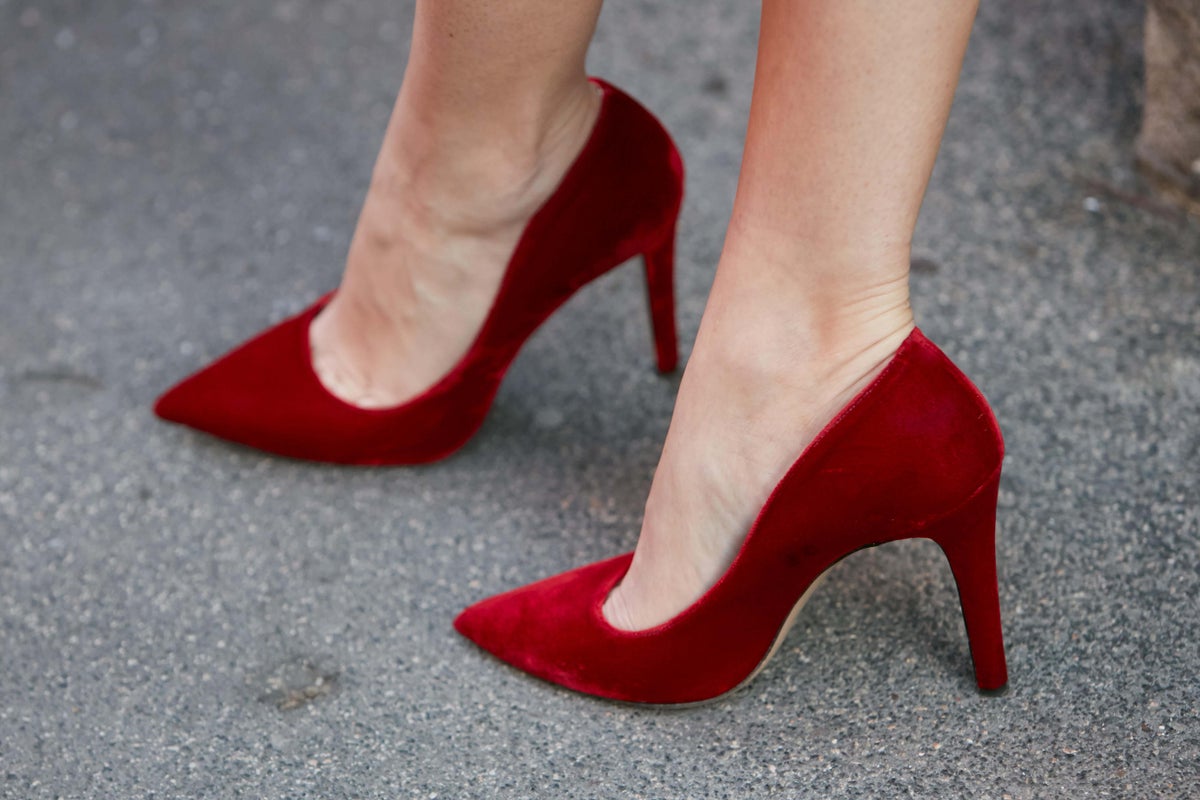
The problem is not just the heel height, but everything that happens around it. The outfits are dressier, the venues are slipperier, the nights are longer, and most of us are already slightly dehydrated from the winter heating and Prosecco. Stilettos can look elegant and make you feel good, but they put your weight forward on the balls of your feet and can lead to lower back pain. They can also put additional pressure on the first joint, causing calluses to form and worsening bunions.
The Dangers of Pointed Shoes
Pointed shoes can cause even more damage than we realize. They can lead to corns, ingrown toenails, and bunions. When wearing these shoes, it’s recommended to choose a fabric that is soft to the touch to allow movement rather than compression. Opting for real leather instead of plastic can ensure breathability and space.
Choosing the Right Heels
Luckily, fashion is working in your favor this season. The trend cycle has moved away from sheer stilettos and towards structured kitten heels. Flats, kitten heels, and block heels are particularly trendy and can distribute body weight more evenly, improve walking balance, and provide better support. Heels that are wider and more rounded in the toe area and shoes made from natural materials like leather can allow the foot to expand over the course of the evening rather than squeezing it tighter.
Preparing Your Feet Before the Party
We warm up for the gym, we cleanse our skin before putting on makeup, but when it comes to heels, most of us just stick our feet in shoes and hope for the best. This is where everything starts going wrong. Hard and callused skin on the feet hurts, and it’s recommended to book a pedicure or treat dry, rough skin with a foot file before bathing. Following up with a foot scrub can revive tired feet and rejuvenate dull, dry skin.
Viral "Hacks" That Create More Hype
The internet loves shortcuts, but podiatrists are realistic about what really helps. Gel insoles can cushion the foot and provide more comfort, and heel grips can help reduce friction. However, anything added to a shoe reduces the space it takes up, so the fit needs to be right first. The popular toe-taping trick can actually make the situation worse by increasing the pressure.
The Next Day Recovery That Actually Works
The morning after is just as important as the night before. No matter how sturdy the shoe is, your feet will swell after a night of dancing. The goal is to reduce inflammation – not to punish already overworked tissue. Bathing your feet when they are tired and using an intensive foot cream daily in the evening can help wake up with refreshed, hydrated feet. Elevating your feet to reduce edema or swelling, trying a warm foot bath, avoiding bursting blisters, and wearing comfortable, roomy shoes the next day can also aid in recovery.
