

UK Economic Slowdown
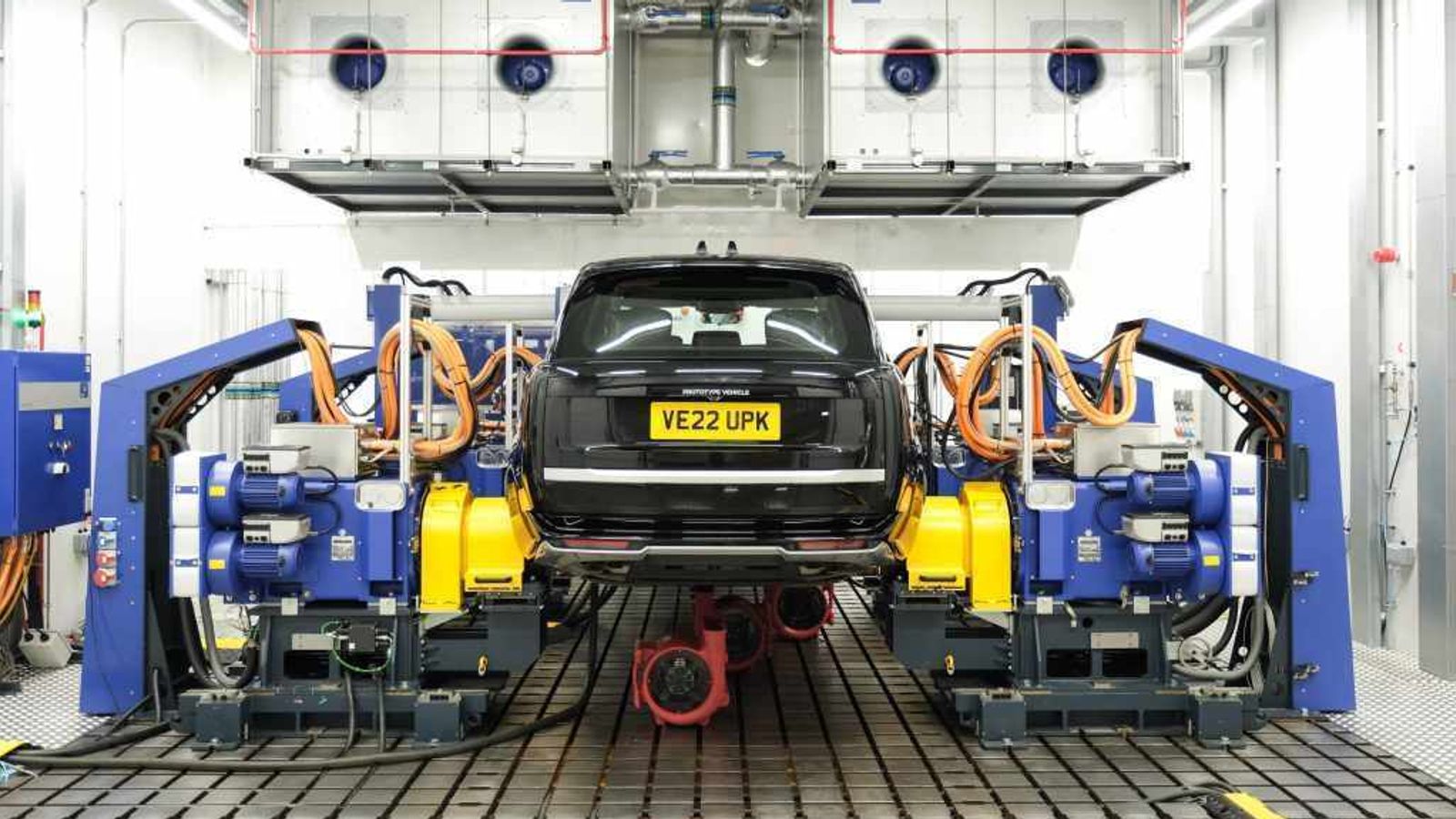
The UK’s economic slowdown gained further momentum in the third quarter of the year, with growth of just 0.1%, according to an early official estimate. The Office for National Statistics (ONS) reported a surprising fall in production, with some of the downward pressure caused by disruption to production at Jaguar Land Rover due to cyberattacks.
Economic Performance
The July-September figures are based on 0.3% growth in the previous three months and the 0.7% expansion achieved between January and March. The encouraging start to 2025 was soon followed by trade war salvos and the implementation of Budget measures that imposed £25 billion in additional taxes on employers. Economists have since blamed these factors for driving up inflation and hurting investment and employment.
Manufacturing Weakness
ONS director of economic statistics said: "Growth slowed further in the third quarter of the year, with both the services and construction sectors weaker than in the previous period. There was also a further decline in manufacturing." Throughout the quarter, manufacturing was the driver of the manufacturing weakness. September saw a particularly significant decline in automobile production, reflecting the impact of a cyber incident, as well as a decline in the often unpredictable pharmaceutical industry.
Services Sector
Services contributed the most to growth in the final quarter. Corporate rentals and leasing, live events, and retail performed well, partially offset by declines in research and development and hair and beauty salons. The weaker-than-expected numbers will reinforce expectations that the Bank of England will be able to cut interest rates at its December meeting following the November interest rate pause.
Economic Outlook
The vast majority of financial market participants now expect a cut to 3.75% from 4% on December 18th. Data earlier this week showed the UK unemployment rate stood at 5% – up from 4.1% when economic growth was the top priority. Since then, the government’s management of the economy has focused on managing public finances. The chancellor has been accused by business groups of hurting investment and employment in the private sector by increasing the minimum wage and employers’ national insurance contributions.
Response to Economic Data
The claim that recruitment and retention of employees has been impacted by these additional costs is supported by the bank. There is also evidence that rising labor costs have been passed on to consumers and have contributed to the UK’s stubbornly high inflation rate – a figure that is now expected to ease significantly in the coming months. The latest economic data has been blamed on factors such as Brexit and the US trade war, which are weighing on the economy and leaving it facing a similar black hole.
Future Plans
A budget is due later this month, which will make fair decisions to build a strong economy that will help reduce waiting lists, reduce the national debt, and lower the cost of living. The economy contracted last month, under a prime minister and a chancellor who are in office but not in power, according to the shadow chancellor. The goal is to build an economy that works for working people, with a strong economy that will help achieve these goals.
