

Introduction to Solar Storms
A "cannibal" solar storm has caused NASA to postpone a space launch, which could also disrupt GPS, communications systems, and power grids. The British Geological Survey (BGS) has raised its forecast to the maximum, stating that the storm has already disrupted communications and satellite navigation.
Impact on Space Launch
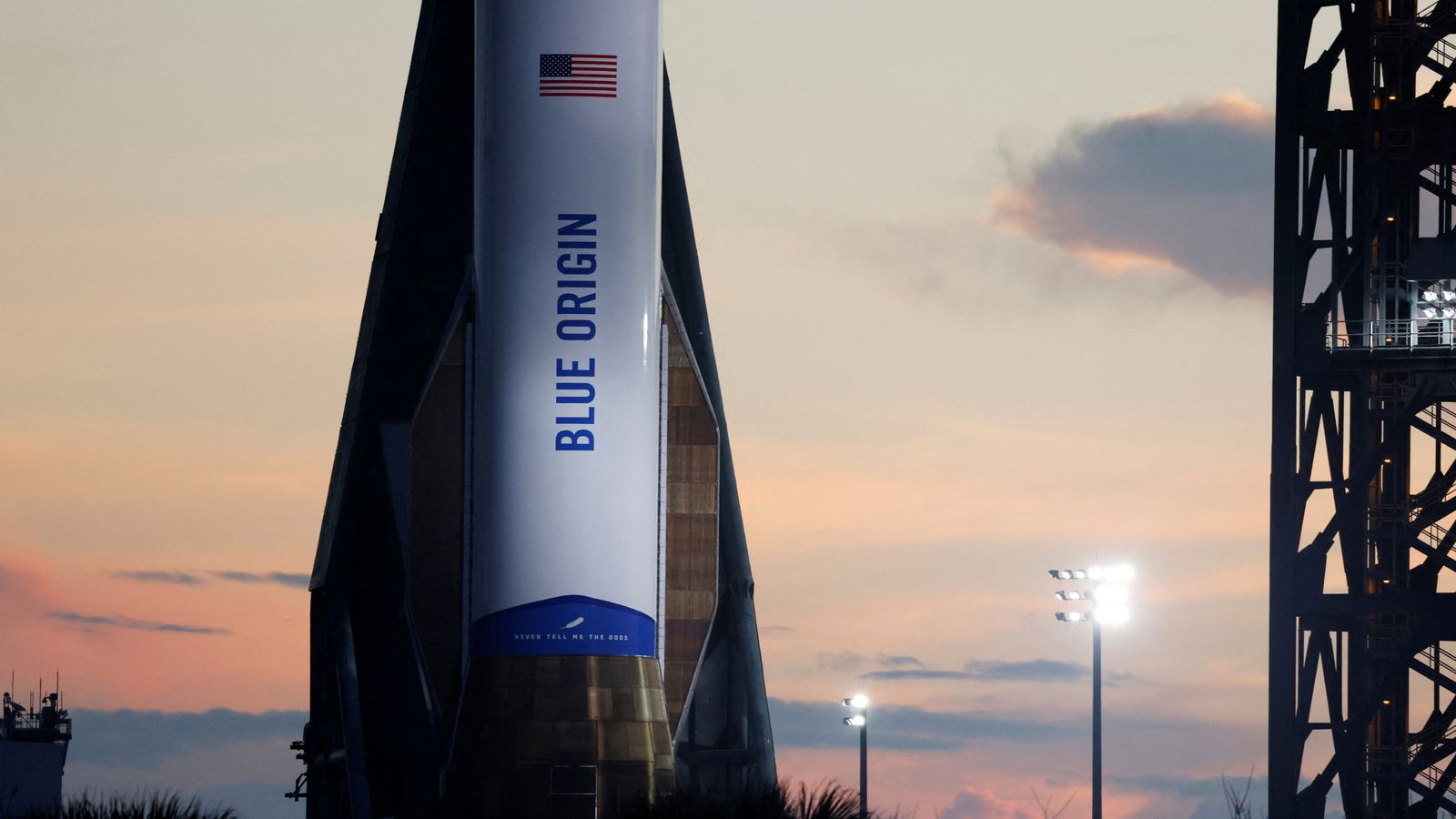
The space technology company Blue Origin, founded by Amazon boss Jeff Bezos, was scheduled to launch its New Glenn rocket. However, due to increased solar activity and its potential impact on the ESCAPADE spacecraft, NASA has postponed the launch until space weather conditions improve. The mission was intended to launch two Mars-bound NASA spacecraft called ESCAPADE into the cosmos.
Effects of the Solar Storm
The effects of the solar storm are not limited to the Cape Canaveral launch site in Florida. It is expected to bring a stunning display of the Northern Lights to the UK later on. The storm has already led to impressive sightings of the Aurora Borealis in some parts of the UK overnight, and the same could happen later, provided skies are clear and dark.
Display of Northern Lights
People in Scotland, northern England, and Northern Ireland have the best chances of seeing the Northern Lights. Clouds are forecast in other areas, but it could break up enough to allow a glimpse across southeast England. The colors of the northern lights are created by charged particles from the sun striking atoms and molecules in the Earth’s upper atmosphere.
Serious Impacts of Solar Storms
Solar storms have serious impacts on energy infrastructure and shipping and are listed as a major threat on the UK National Risk Register. They are caused by an explosion of particles, energy, magnetic fields, and injected material through the sun, which can disrupt the earth’s magnetic field. The recent event has already produced the largest ground-level geoelectric field since BGS records began.
Severity of the Storm
According to BGS, the storm could reach the highest G5 level, which warns of possible power outages, day-long GPS problems, and problems with spacecraft orientation. Gemma Richardson, geomagnetic hazards specialist at BGS, said, "Space weather can have a real impact on the lives of people around the world." The BGS records real-time data on geomagnetic conditions, supporting the national forecast service, and their data suggests that this event could be one of the largest storms seen in 20 years.
Protection from Solar Storms
NASA says solar storms cause no direct harm to humans because the planet’s magnetic field and atmosphere protect us from the worst effects. However, the storm’s impact on technology and infrastructure can still be significant, and precautions are necessary to mitigate its effects. Solar storms can reach Earth from the sun in as little as 17 hours, but sometimes it can take much longer.
