

Rising Maritime Premiums Amid Increased Risk in the Gulf Region
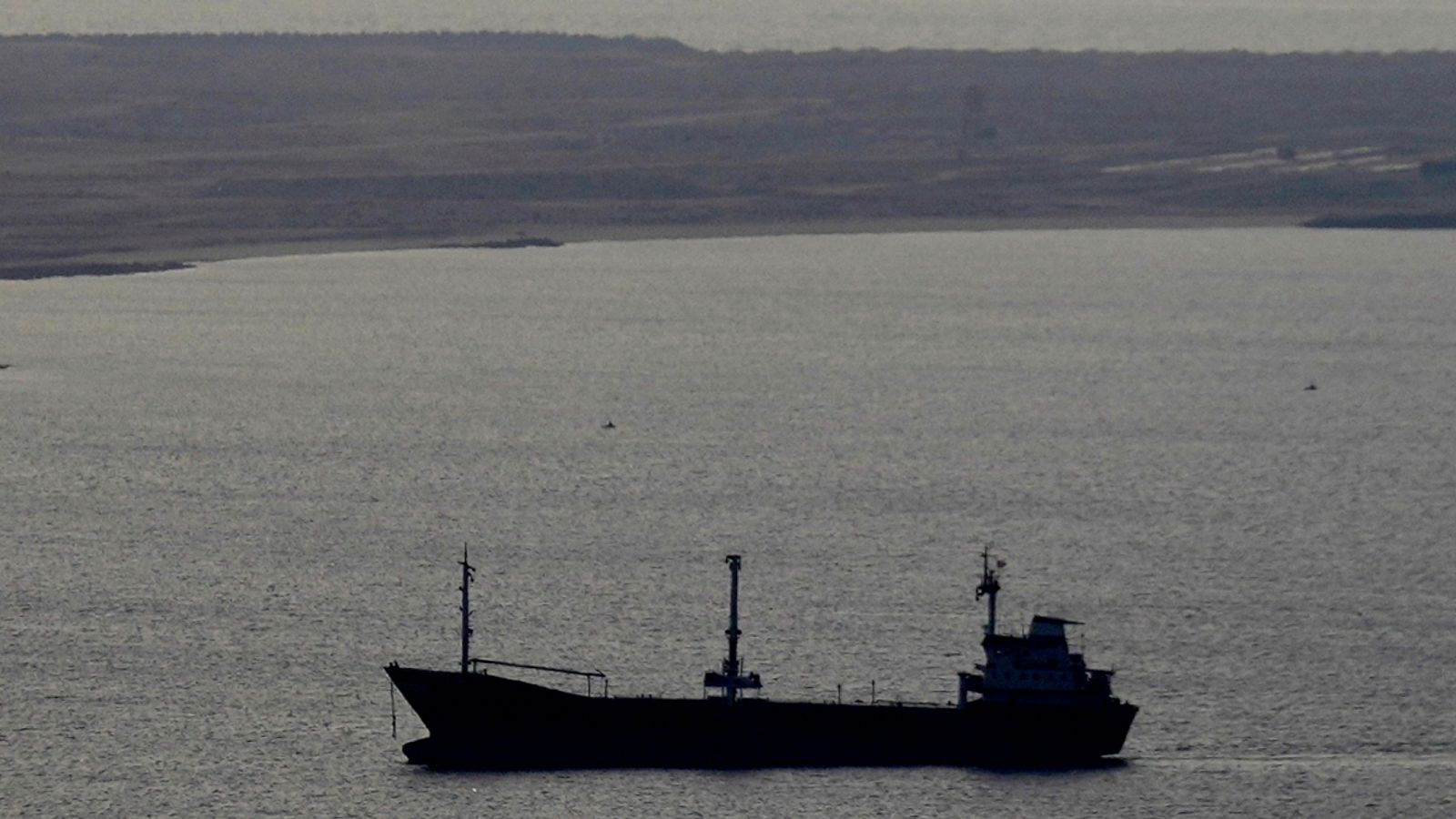
The recent offer by Donald Trump to provide U.S.-backed insurance and marine escort for ships transiting the Strait of Hormuz has not stopped maritime premiums from rising. Insurers are scrambling to reassess the risks to oil, gas, and cargo vessels due to the increased threat in the region.
Unclear Proposal and Increased Risk
Experts at Lloyd’s of London, the world’s oldest insurance market, have stated that the president’s proposal is unclear and that naval escorts could actually increase the risk to shipping. The Joint War Committee (JWC) of the Lloyds Markets Association has expanded its "high-risk area" in the Middle East to include the entire Persian Gulf.
Market Response to Increased Risk
Insurers had already begun canceling or reassessing war risk insurance for ships in the region. Neil Roberts, secretary of the JWC, has stated that the market is working and American intervention is unnecessary. He believes that the details of such a plan have not been communicated and that it will take time to work out the needs.
Premium Increases and Target Risks
Mr. Roberts has said that premiums will rise to reflect the increased risk in the Gulf region, with reports suggesting a 12-fold increase. He also warned that US escorts could provide a target rather than a deterrent, as the Iranians are targeting the U.S. military. This increased risk could lead to higher premiums for shipowners.
Economic Impact of the Conflict
The conflict has already led to a number of tankers being attacked directly in the Gulf, as well as oil, gas, and cargo infrastructure in Saudi Arabia, Qatar, and the United Arab Emirates (UAE). With numerous ships anchored on both sides of the Strait of Hormuz, oil and gas prices as well as transportation costs have skyrocketed. A prolonged shutdown that depletes the world’s oil reserves could lead to broader impacts and trade disruptions.
Potential Trade Disruptions
The supply of food and goods from Europe, Africa, and Asia to the Gulf states could also be interrupted. The UAE government has urged citizens to only buy what they need and avoid shopping sprees to "ensure there is enough for everyone." The government has stated that it has supplies that would last four to six months, but the situation remains uncertain.
