

Introduction to Germany’s Infrastructure Problems
Berlin’s new airport was planned for 5 years but took 14 years to complete. Stuttgart’s main station has been under construction for 16 years, and Hamburg’s concert hall, the Elbphilharmonie, took nine years to build instead of three. The costs of these projects often exceeded the initial budget, sometimes by as much as ten times.
The Cologne Opera House Project
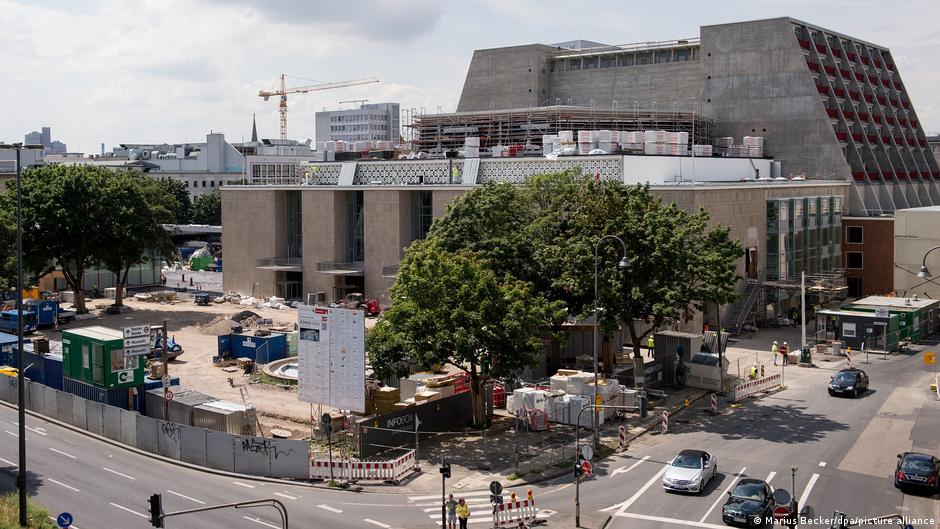
The Cologne Opera House is another example of a project plagued by delays and cost overruns. Initially, the plan was to renovate the building in three years, with a reopening scheduled for 2015. However, the project has been ongoing for over a decade, with the opera singer Emily Hindrichs yet to perform in the building. The original budget of 250 million euros has grown to 850 million euros, and when including interest and the costs for interim venues, the total bill comes to 1.5 billion euros.
Causes of Delays in Germany
Jürgen Marc Volm, who took over project management for the new Cologne opera house in 2024, points to the complexity of the project as a major cause of the delays. The project involves 64,000 square meters, 2,000 rooms, 58 companies in 72 trades, and 22 planning offices. Volm also notes that the rigid tendering process, where the lowest bidder is often given preference, can lead to companies going bankrupt, causing work to stop and new tenders to be issued.
Communication Breakdowns
Communication breakdowns are also a significant cause of problems in Cologne. Volm states that Germans are very good at solving technical problems but not so good at communication. This lack of communication leads to misunderstandings and mistakes that can cause significant delays.
Lessons from Notre Dame
The reconstruction of Notre Dame Cathedral in Paris can serve as a model for dealing with Germany’s current problems with deadlines and budget overruns. The project was completed on time and on budget, thanks to a sense of shared purpose and efficient planning. The French valued trust and communication, keeping the team small and selecting the best contractors, rather than just the cheapest.
Infrastructure Problems in Germany
Germany has a massive problem with large projects, which are no longer built quickly, efficiently, and in line with needs. The country’s infrastructure is in a state of disrepair, with many bridges and roads in need of maintenance. The German state has a huge problem, and it is understandable why people are so extremely dissatisfied.
Conclusion
It is high time for Germany to learn from best practices elsewhere and address its infrastructure problems. The country needs to adopt a more flexible and efficient approach to project management, prioritizing communication and trust. By doing so, Germany can hope to complete its projects on time and on budget, rather than suffering from endless delays and cost overruns.
