

Winter Storm Hits the US
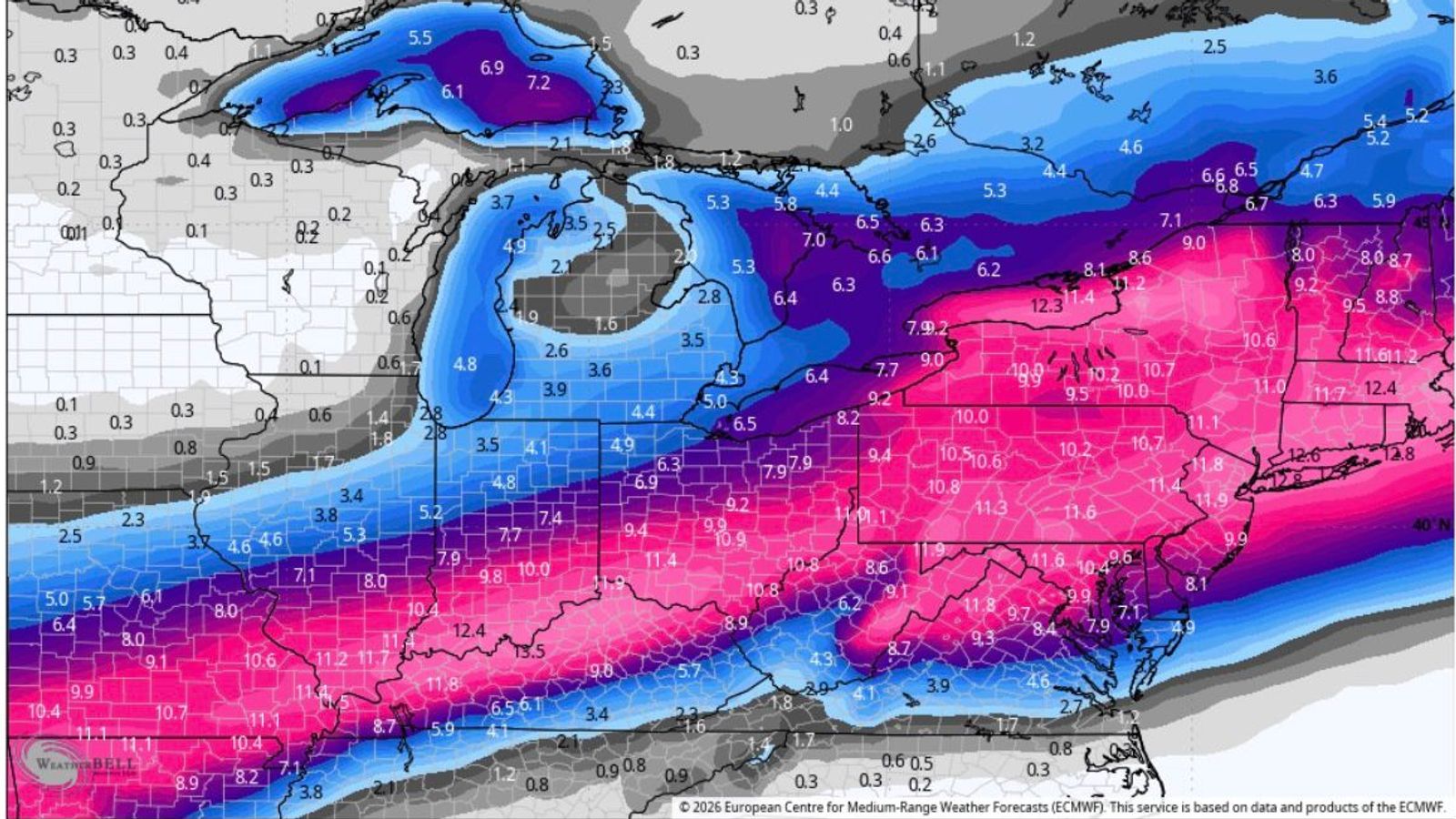
A life-threatening storm is hitting about 140 million Americans, with snow, ice, and freezing temperatures forecast from the Rocky Mountains and New Mexico to the East Coast. President Trump has approved emergency declarations in several states, urging people to “Stay safe and stay warm!”
Severity of the Storm
Frostbite in less than 10 minutes is possible in parts of Minnesota and North Dakota, where wind-chilled temperatures as low as -46 °C (-50 °F) are possible. About 140 million people — more than 40% of the U.S. population — are under weather warnings, and more than 8,000 flights have been canceled.
Affected Areas
The National Weather Service warned of "widespread heavy snow, sleet and freezing rain from the southern Rockies to New England." The storm is expected to bring an ice storm from Texas to parts of the South, possibly around 30 cm (12 inches) of snow from Oklahoma to Washington DC, New York, and Boston.
Preparations and Warnings
The alerts stretch from Arizona and Montana in the west to Carolina and Maine in the east, and several states have emergency declarations in effect. These include Indiana, Texas, Kentucky, Georgia, South Carolina, North Carolina, Virginia, West Virginia, Maryland, Louisiana, Arkansas, Tennessee, Alabama, Mississippi, and Missouri. Residents were advised to stay home and stay off the streets – and to stock up on food and drink.
Federal Government’s Reaction
The Federal Emergency Management Agency (FEMA) has provided supplies and is sending more than 200 call center specialists. There are also 30 search and rescue teams on standby. Seven million meals, 600,000 blankets, and 300 generators are also ready in areas expected to be hardest hit.
Safety Precautions
The North Carolina Department of Emergency Management advised people to have items like flashlights, batteries, and battery backups. Emergency kits should also include chargers for cell phones, radios, winter clothing, blankets, and a first aid kit. The NWS reminded people to protect pets and animals from the cold. The Georgia Emergency Management Agency said people should gather supplies for homes and cars, check smoke and carbon monoxide detectors, and refuel vehicles and heating sources.
