
United States Withdraws from World Health Organization
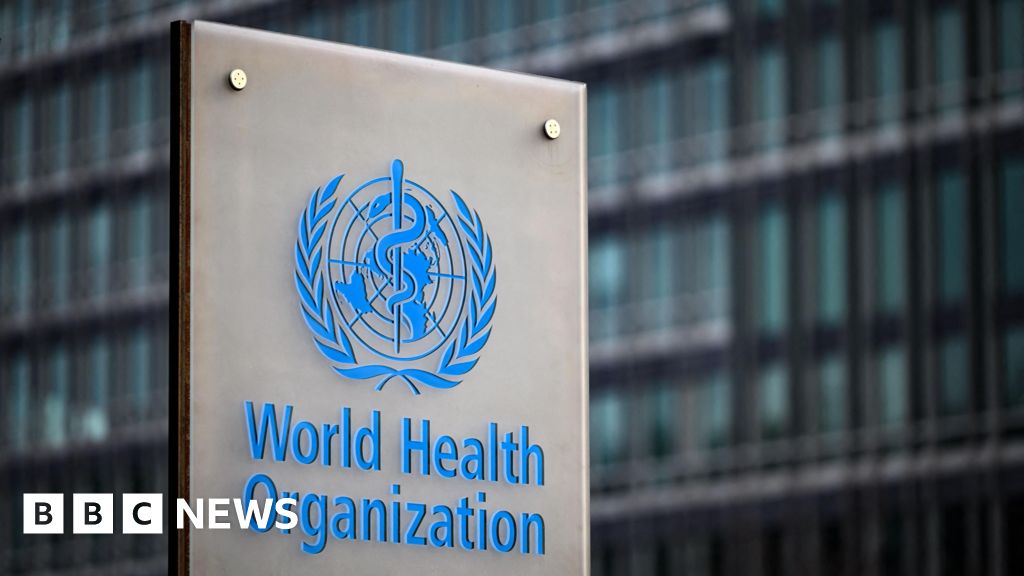
The United States has officially withdrawn from the World Health Organization (WHO), leaving the UN agency without one of its largest donors. US President Donald Trump signed an executive order a year ago signaling withdrawal after criticizing the organization as too “China-centric” during the Covid pandemic.
Reasons for Withdrawal
The US Department of Health said it made the decision due to the WHO’s alleged "mishandling" of the pandemic, inability to reform and member states’ political influence. The WHO has rejected those claims and its director general said the withdrawal was a loss for the US and the world.
Impact of Withdrawal
The organization noted its global efforts to combat polio, HIV-AIDS and maternal mortality, as well as its international agreement on tobacco control. In the wake of the pandemic, WHO member states worked to develop an international pandemic treaty aimed at preventing, preparing for and responding to future pandemics, including more equitable distribution of vaccines and medicines. The treaty was finally agreed to by all WHO member states except the US in April last year.
Financial Implications
Washington is traditionally one of the WHO’s biggest donors but has not paid its dues for 2024 and 2025, which has already led to huge job losses at the organization. Although WHO lawyers point out that the US is obliged to pay the arrears, estimated at $260 million, Washington said it sees no reason to do so.
US Response to Withdrawal
The US department said it would maintain bilateral relations with other countries to ensure disease surveillance and pathogen exchange, but could not provide information about which specific countries it had such relations with so far. In response to a question about global efforts to combat polio or HIV, officials said the U.S. would work with "NGOs and religious groups" to continue that work, but could not provide details on partnerships already in place.
Global Health Implications
Many countries with highly developed health services – including the US – are responding to the pandemic and have been criticized as slow and flawed. Many governments were reluctant to impose lockdowns because they feared that their citizens would not accept such restrictions. Studies have shown that the delay in the pandemic contributed to the rapid spread of the virus.
Conclusion
The US withdrawal from the WHO has significant implications for global health, particularly in the wake of the Covid pandemic. The WHO has made significant contributions to global health, including efforts to combat polio, HIV-AIDS and maternal mortality. The US withdrawal may hinder these efforts and have far-reaching consequences for global health.
