

Introduction to the NHS Cancer Database
A new NHS database of cancer-related genes could allow patients and their families in England to find out whether they are at risk of developing the disease. NHS England says people will be able to compare their genetic information with the world’s first registry of 120 genes known to increase the chance of developing cancer.
How the Database Works
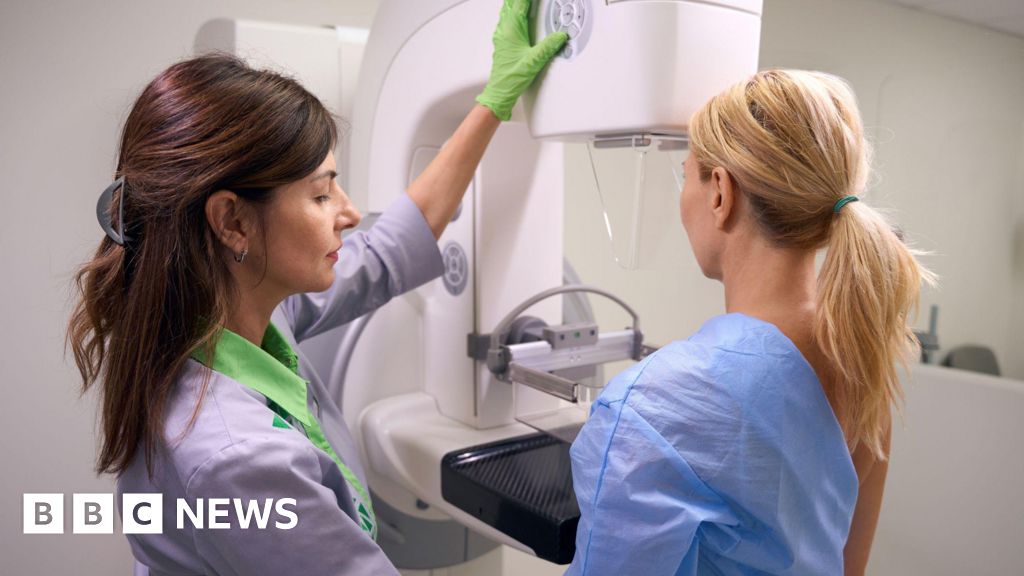
Those found to be at hereditary risk are offered routine examinations and screening for certain cancers, including breast and prostate cancer. Patients could also be tested to see if they would respond better to certain treatments, which would allow for individualized care. Health Minister said the “life-changing and life-saving” tool would speed up early detection and allow more cancers to be detected earlier.
Benefits of the Database
Tens of thousands of cancer patients and those with a family history of the disease undergo genetic testing on the NHS every year. People known to have a higher risk profile will be included in the new register. You will receive tailored information about what you can do to reduce your risk of developing cancer or detect it early.
The NHS Plan
The NHS said it was setting up the register as part of a 10-year plan to improve the prevention and treatment of cancer. NHS England’s national cancer director told BBC Radio 4’s Today program it was "the first time a health system has brought together all information about overall genetic risk in a single place".
Confidentiality and Security
Prof said it had brought together the tests already offered to patients to check their susceptibility to cancer into a single register "so that we can contact people to offer them screening and, in some cases, preventive treatment". This will allow doctors to “keep an eye on people” and offer them new tests and treatments as they are introduced, he added, while stressing that this is “incredibly confidential and secure”.
Patient Experience
Johnson said that while it can be "very daunting" for people to find out their risk of cancer, it means the disease can be detected as early as possible. The NHS National Inherited Cancer Predisposition Register is based on a similar database for Lynch syndrome, where the NHS says more than 12,000 people were offered routine screening tests after being found to be at higher risk.
Impact on Patients
A 32-year-old who was diagnosed with colon cancer in 2020, said his Lynch syndrome diagnosis gave him access to immunotherapy after unsuccessful chemotherapy – and proved to be "the key to my recovery."
Future of Cancer Treatment
Streeting said: "One in two people will develop cancer in their lifetime, but that doesn’t mean the likelihood is random – many people are at higher risk because of the genes they inherit." “And while we can’t do anything about inherited genes, we can do something about what we do with that information.” He said the “world-leading genetic registry” would enable earlier personalized and preventive care.
Conclusion
“This registry will not only drive innovation – it will be life-changing and life-saving, enabling the NHS to develop personalized care, rapid screening and tailored information to detect more cancers earlier.” The move would “transform the lives of women who are at increased risk of breast cancer due to their family history or genetics”. She said it needed to be accessible to all doctors and designed to ensure those with a higher risk profile received “congregated care”.
