

Davos 2024: A Frontal Attack on Europe’s Economic Model
Switzerland has been neutral ground in the heart of Europe for more than 500 years. This week, Davos provided a safe space for a frontal attack on the continent’s economic and political model that will be felt long after the event.
The World Economic Forum
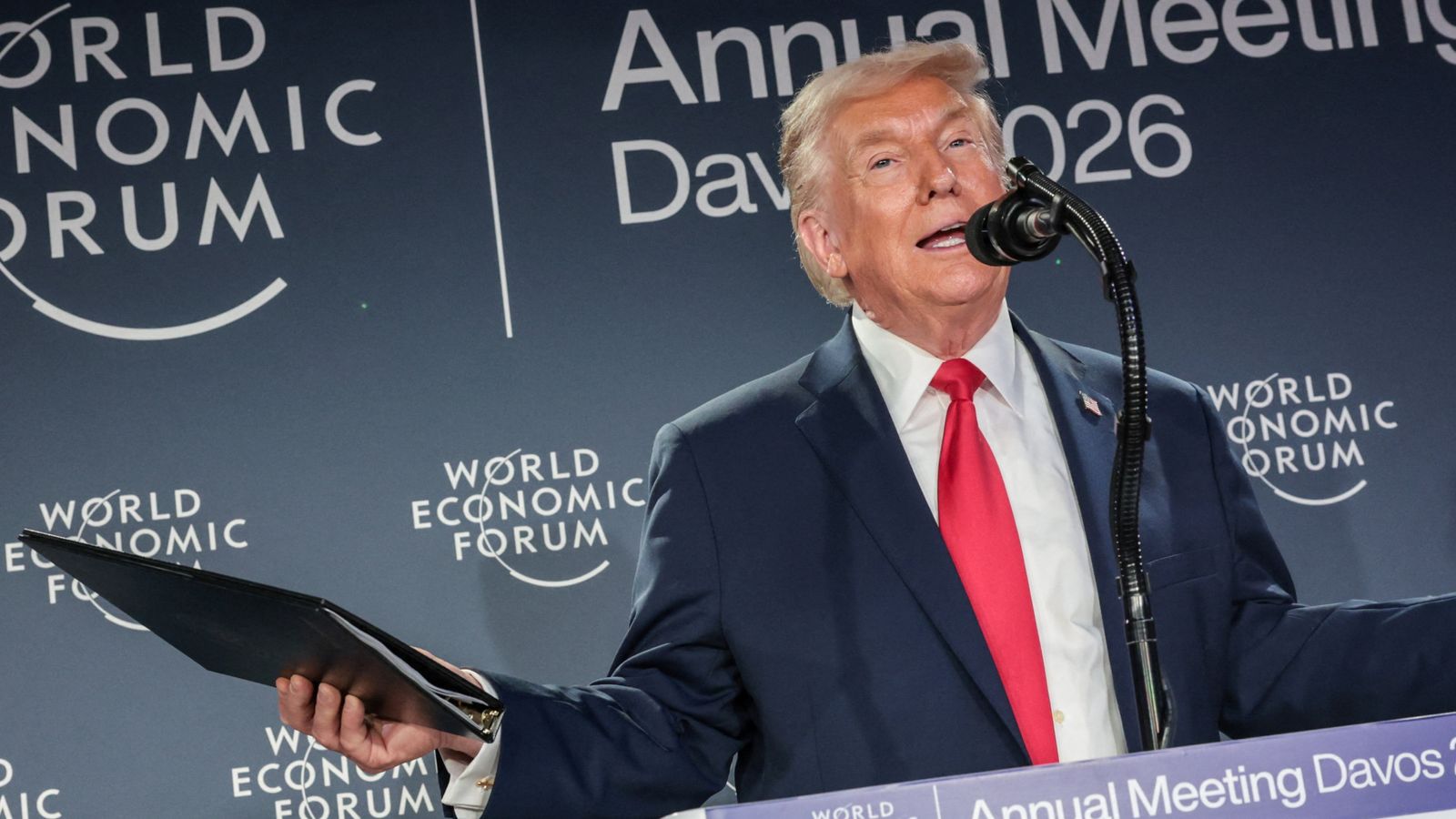
The World Economic Forum has always relied on a political presence to give its annual meeting relevance, but never has it been used so fully by one man. Donald Trump’s presence at the head of the largest American delegation ever was always going to dominate attention.
Trump’s Speech
It was a familiar mix of braggadocio and bombast, at times too full of falsehoods and insults thrown in. He claimed that China, home to the world’s largest wind farms, had none, and told the audience that if the U.S. hadn’t been in World War II, they would all speak German, "and maybe a little Japanese."
Reactions to Trump’s Speech
The diplomatic fallout dominated public platforms. European leaders spoke out against Trump’s threats, with Ursula von der Leyen speaking of a new “European independence” and French President Emmanuel Macron condemning Trump’s threats as bullying.
The US Delegation
The American delegation was ready to fight, with Commerce Secretary Howard Lutkin being belligerent at every opportunity. “We came with a clear message,” he said: “Globalism is dead.” US Trade Representative Jamieson Greer was equally strident, telling reporters that no one, not even European allies, could take access to American markets for granted.
The British Delegation
There was a sizeable British delegation led by the Chancellor, who were in good spirits and optimistic about the reception they received. Changes to visa rules to attract foreign talent were well received, and investors were far more positive than the gloom about Britain that dominates domestic politics.
Britain’s Position
But privately, British and American leaders expressed skepticism about the clarity of Britain’s position, which is based on strengths in higher education, life sciences, and the rule of law, and outweighs concerns about taxes, energy costs, and the speed of decision-making. “We need to tell a better story,” said a supportive executive.
The Wider Question for Britain
This disruptive Davos raises a wider question for Britain. In a world full of major powers and trade tensions, how do you make your voice heard when you’re outside the EU bloc but aren’t yet taking advantage of the opportunities that might present themselves? An executive at an American bank said it was already weighing on Britain.
Britain’s Economic Weapons
The truth is that the UK has few economic weapons to deploy in response. For now, Britain is not the only one that got lost in Davos. Efforts to align with EU agricultural rules are seen as "a problem" by the US, and any moves to move closer to the EU will lead to tensions with the US.
