

Introduction to the EU-Mercosur Trade Deal
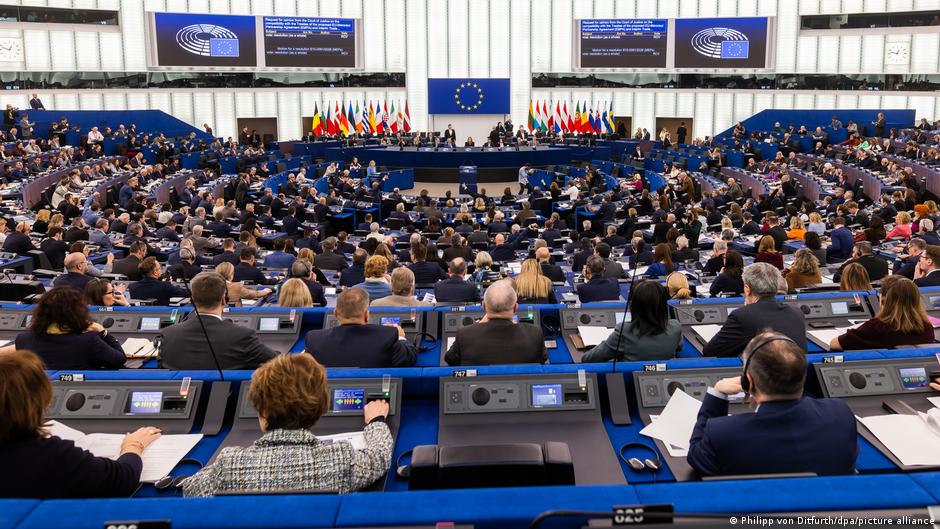
The European Parliament voted to launch a legal review of the EU’s trade deal with four members of Latin America’s Mercosur bloc, a move that could significantly delay or even derail the deal. This decision comes after a quarter of a century of negotiations, with the EU signing the agreement with Argentina, Brazil, Paraguay, and Uruguay on Saturday. However, the deal still needs the approval of the European Parliament before it can officially come into force.
Reaction to the Vote
Chancellor Friedrich Merz took to social media shortly after the vote was announced, calling the result “regrettable” and saying it “misjudges the geopolitical situation.” Merz has been one of the most vocal supporters of ratifying the agreement despite tensions in recent months. He criticized the parliamentary vote, stating that the deal must now be implemented provisionally.
Protests and Opposition
Farmers across Europe, particularly in France and Belgium, have repeatedly protested en masse against the agreement in recent months. They gathered outside Strasbourg’s parliament for the second straight day during Wednesday’s vote after police used tear gas to disperse them on Tuesday. Opponents, led by France, say the Mercosur deal could increase imports of cheap beef, sugar, and poultry and undercut domestic farmers.
The Legal Review
The Court of Justice of the EU (ECJ) will be tasked with examining whether the agreement can be lawfully applied before full ratification by all member states and whether its provisions would limit the EU’s ability to set environmental and consumer health policies. The ECJ usually needs around two years to decide on such questions. This means that the deal’s implementation will be significantly delayed.
Reactions from Key Figures
French Foreign Minister Jean-Noel Barrot welcomed the result, stating that France takes responsibility for saying no when necessary and that the fight continues to protect agriculture and ensure food sovereignty. The European Commission, on the other hand, “deeply regrets” the outcome of the vote. Commission President Ursula von der Leyen had pushed the deal forward, emphasizing the importance of trading partners for the EU’s independence.
Implications and Next Steps
The deal is supported by South American ranching countries and industrial interests in Europe but faces fierce opposition from Europe’s agricultural sector. The chairman of the European Parliament’s trade committee, Bernd Lange, called the decision "absolutely irresponsible" and a "self-imposed goal." He argued that opponents should have voted against the deal when it was approved by Parliament rather than supporting “delay tactics under the guise of legal review.” The future of the EU-Mercosur trade deal remains uncertain, with the legal review set to cause significant delays.
