

Introduction to Zero-Bill Homes
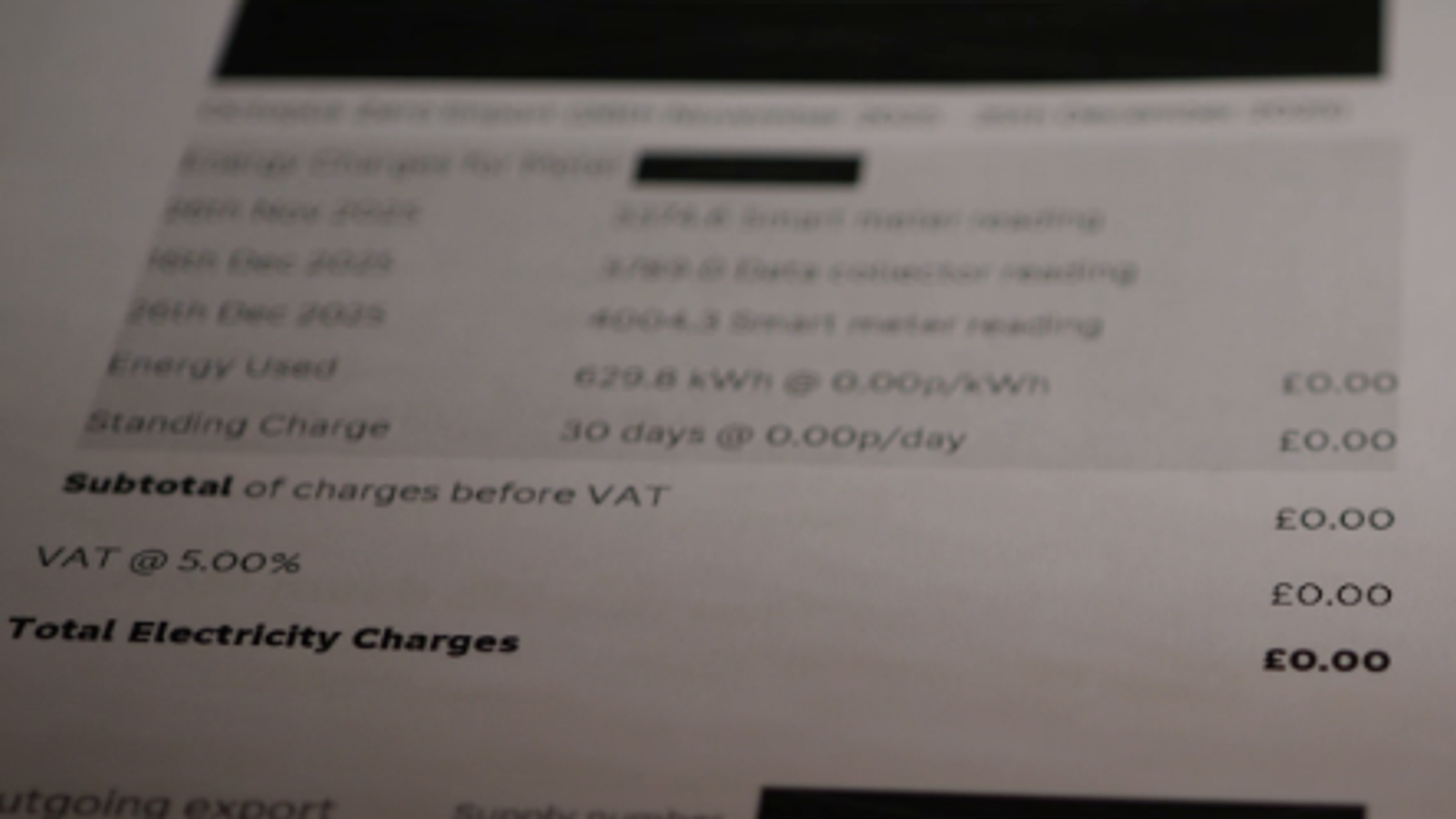
Elliott Wood has something that many people desire – a free energy bill. He lives in a new generation of "zero-bill" homes equipped with solar panels, heat pumps, and batteries. These technologies generate more electricity than he uses, and with the right tariff, the excess electricity is sold back onto the grid, resulting in a monthly bill of £0.
How Zero-Bill Homes Work
The combination of solar panels, heat pumps, and batteries in Elliott’s home creates a self-sustaining energy system. The solar panels generate electricity during the day, which is then stored in the batteries for use at night. The heat pumps provide efficient heating and cooling, reducing the overall energy consumption of the home. With the right tariff, the excess energy generated by the solar panels is sold back to the grid, offsetting the cost of the energy used by the home.
Benefits and Limitations of Zero-Bill Homes
The benefits of zero-bill homes are clear – they can save homeowners a significant amount of money on their energy bills. However, there are also some limitations to consider. The tariff that allows for the sale of excess energy back to the grid is only guaranteed for five to ten years, and it does not include the charging of electric vehicles. Additionally, the upfront cost of installing the solar panels, heat pumps, and batteries can be expensive, although the long-term savings can make up for this initial investment.
The State of UK Homes
The UK has some of the leakiest, draughtiest, and most gas-dependent homes in Western Europe. About 85% of homes heat with gas, which is often imported, and much of this energy is wasted due to poor insulation. This results in cold, damp homes that are expensive to run, leaving 2.7 million British households living in fuel poverty. The housing and buildings sector is also the second most polluting sector in the UK, after transport, and must be improved if the country is to achieve its climate goals.
The Warm Homes Plan
The government has released the Warm Homes plan, a £14.7 billion strategy aimed at modernizing homes to make them cheaper, better, and warmer. The plan will fund measures such as insulation, solar panels, batteries, and heat pumps, which can reduce bills and cut gas consumption. While it may not result in zero-bill homes like Elliott’s, it could cut some bills by several hundred pounds. The plan aims to upgrade five million homes and lift up to one million families out of fuel poverty by 2030.
Key Components of the Warm Homes Plan
The plan includes several key components, including:
- £5 billion to fund fully funded solar panels or batteries in low-income and fuel-poor homes
- £2 billion for low-cost loans for ordinary households to cover the upfront costs of solar panels, heat pumps, and batteries
- An expansion of heat pump funding
- New minimum standards for energy efficiency in rental apartments by 2030
Challenges and Opportunities
While the Warm Homes plan is a step in the right direction, there are challenges to be addressed. Previous attempts to modernize homes have failed, and it is unclear how authorities can force landlords to upgrade properties or ensure that the work is done properly. Additionally, the cost of electricity must be reduced to make heat pumps a viable option for many homeowners. However, if successful, the plan could not only reduce energy bills but also improve the security of the UK’s energy supply by reducing dependence on imported gas.
