

Introduction to the Debate
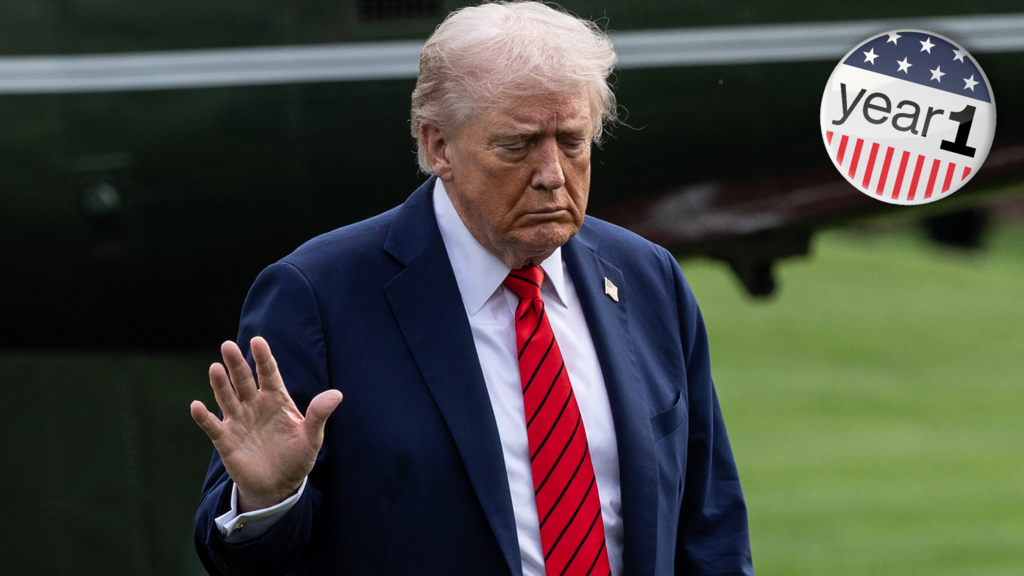
As the US President enters the second year of his second term, concerns about his physical and mental health have become a recurring theme. This has been fueled by viral images and defiant responses from the White House, alongside a notable lack of medical disclosure. The situation echoes previous controversies surrounding the health of US leaders, raising important questions about transparency and the exercise of power.
Historical Context
The debate about the President’s health is not new. There have been numerous instances in the past where the health of US leaders has been called into question. These instances have often led to discussions about the necessity of transparency regarding the health of those in power. The health of a president can have significant implications for the country, affecting decision-making and policy implementation.
The Current Situation
Viral images have played a significant role in fueling the current debate. These images, often spread rapidly through social media, can depict the President in a light that raises concerns about his health. In response, the White House has issued defiant statements, aiming to quell these concerns and reassure the public about the President’s well-being. However, these responses have been criticized for lacking substance and failing to provide the medical disclosure that many believe is necessary.
Transparency and Power
At the heart of the debate is the issue of transparency. Many argue that the public has a right to know about the health of their leaders, given the potential impact on governance and national security. The lack of medical disclosure has led to speculation and rumors, which can be damaging not only to the President but also to the stability of the country. The balance between the President’s right to privacy and the public’s right to know is a delicate one, and it is a challenge that has faced many administrations.
Implications and Concerns
The implications of the President’s health extend beyond the individual to the functioning of the government. Decision-making, policy, and even international relations can be affected by the perceived health and capability of the leader. Furthermore, the lack of transparency can erode trust in the government, leading to broader societal and political implications. As such, the debate is not merely about the President’s personal health but about the health of the democracy itself.
Moving Forward
As the debate continues, it is clear that finding a resolution will be challenging. The White House must balance the need for transparency with the President’s right to privacy. Meanwhile, the public and the media must navigate the fine line between scrutinizing the President’s health and respecting his privacy. Ultimately, the goal should be to ensure that the country is led by a capable and healthy individual, with the necessary systems in place to address any health issues that may arise, all while maintaining the trust and confidence of the public.
