

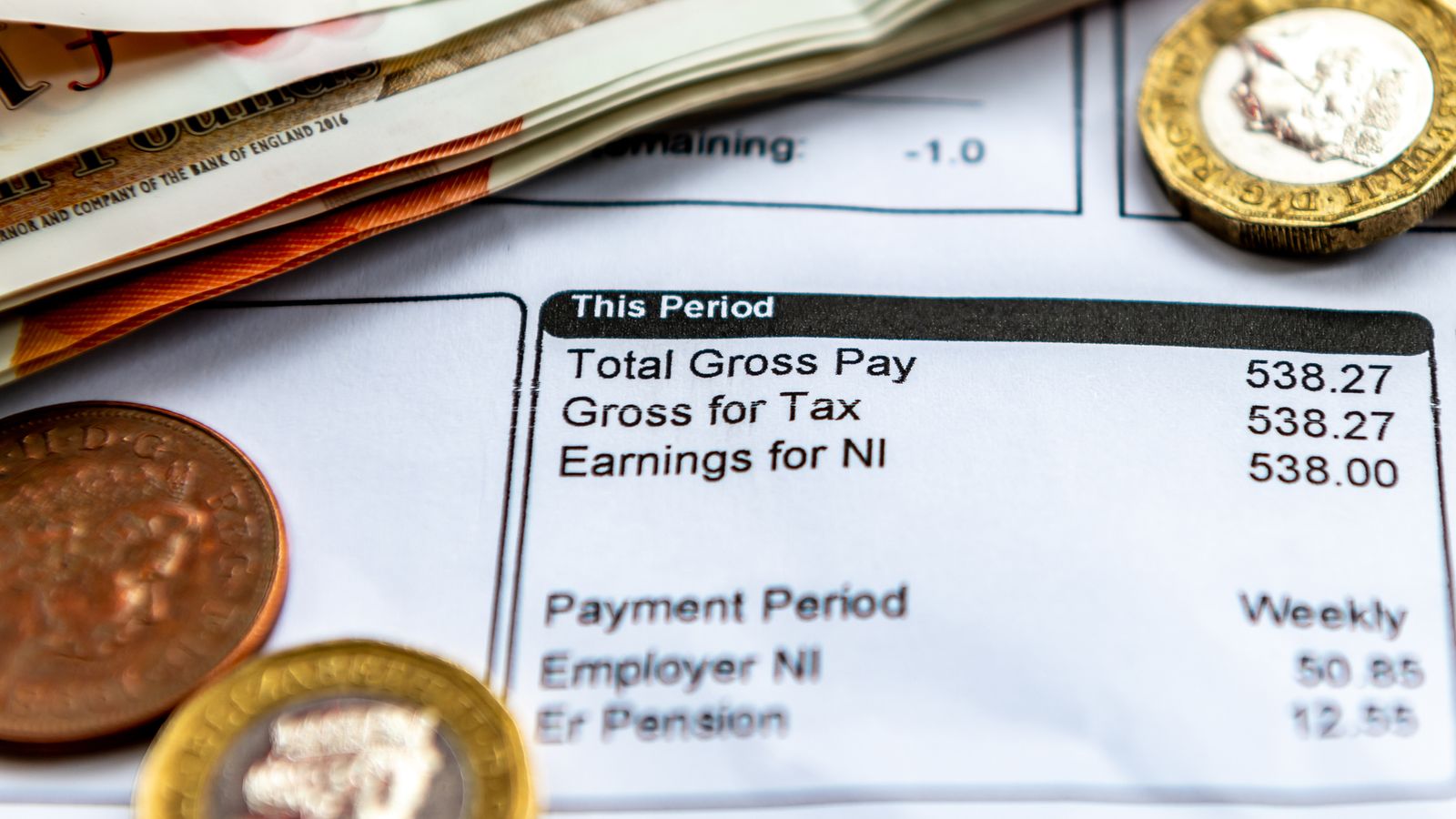
Introduction to Tax Overpayment
More than 5.6 million people overpaid tax in the 2023/24 financial year, new figures show. In total, taxpayers have overpaid £3.5 billion in income tax, with experts blaming errors and complicated rules in the tax code.
What are Tax Codes?
Tax codes are issued by the tax office and used by employers or pension providers to work out how much income tax you need to deduct from your salary or pension. However, the tax office can make mistakes and issue the wrong code, meaning more – or less – of your income could be deducted incorrectly.
Reasons for Incorrect Tax Codes
The tax office can assign incorrect tax codes for several reasons, including:
- If an employee continues to receive non-cash benefits such as company cars, health care, and even gym memberships, even though they may no longer receive these benefits
- False assumptions about an employee’s additional income, such as rental income, dividends or freelance work that they no longer perform
- Confusion about how many jobs a person has
- Outdated or late employer payroll information
Consequences of Incorrect Tax Codes
Millions of people are paying the wrong amount of tax simply because the tax office almost guesses what they earn. For too many people, this will go completely unnoticed. It is the taxpayer’s duty to check they are following the correct tax legislation and ensure they are not overpaying or underpaying tax.
Checking for Errors
Individuals need to check their year-end tax codes and PAYE summaries for errors. This is particularly true for those with any form of non-PAYE income or company benefits. By checking for errors, taxpayers can ensure they are paying the correct amount of tax and avoid overpaying or underpaying.
