
Introduction to Rolls-Royce Holdings’ New Remuneration Policy
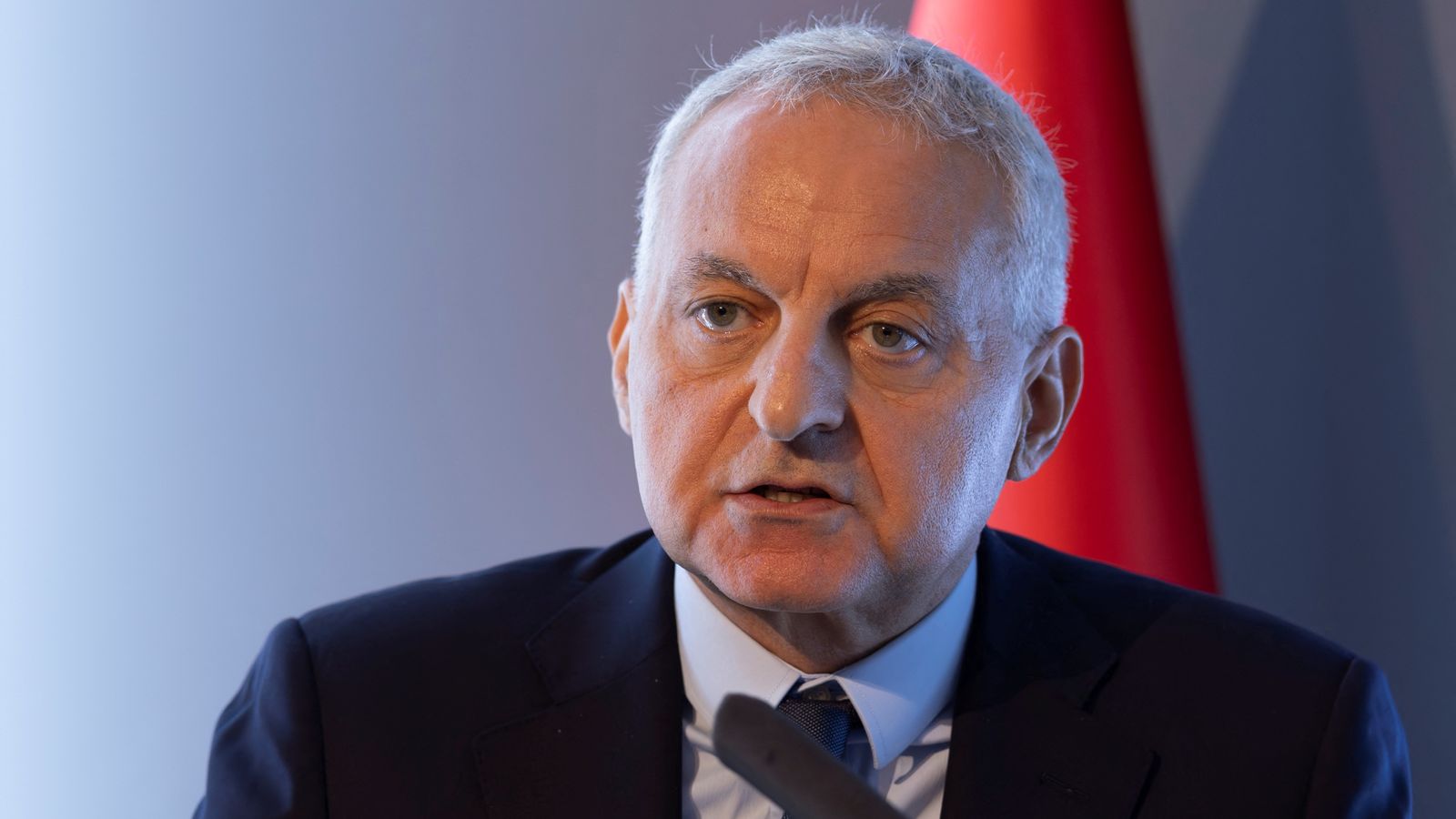
Rolls-Royce Holdings is set to implement a significant pay rise for its chief executive, Tufan Erginbilgic, following a remarkable turnaround of the company under his leadership. The proposed changes to the remuneration policy have been backed by leading shareholders.
Background to the Policy Change
The company’s board has completed a consultation with major shareholders regarding the overhaul of its remuneration policy. This move aims to increase Erginbilgic’s annual bonus entitlement from twice to three times his basic salary of around £1.2 million. Furthermore, the long-term incentive bonus is expected to double from a maximum of 375% of salary to 750%, making it one of the most lucrative bonus programs among FTSE 100 companies.
Details of the New Remuneration Policy
Under the revised program, Erginbilgic’s total package, including salary, annual bonus, and long-term incentive award, could reach a maximum of more than £13 million. This change reflects the company’s recognition of Erginbilgic’s role in engineering a significant recovery for Rolls-Royce, which was struggling after the COVID-19 pandemic.
Erginbilgic’s Impact on Rolls-Royce
Since joining Rolls-Royce in early 2023, Erginbilgic has overseen a substantial transformation, with the company’s valuation increasing more than 12-fold under his leadership. The share price has risen from 93.2p to 1,285.5p, giving the company a market capitalization of £108 billion.
Shareholder Support
Leading shareholders, including Invesco, have expressed support for the changes to the remuneration policy. Stephen Anness, head of global equities at Invesco, noted that the successful turnaround and resulting value creation justify the rewards for management.
Future Outlook
The full details of the new remuneration policy will be outlined in Rolls-Royce’s annual report in March. The company’s annual results, expected next month, are anticipated to show operating profits of between £3.1 billion and £3.2 billion and free cash flow of more than £3 billion, further underlining the scale of its transformation under Erginbilgic’s leadership.
