
Introduction to European Cinema
European cinema is having a moment – and it’s not a nostalgic moment. At a time when much of the global film industry feels tied to franchises, algorithms and intellectual property, Europe’s most important filmmakers are pushing in the opposite direction: towards risk, politics, intimacy and formal freedom.
Live Discussion with Award-Winning Filmmakers
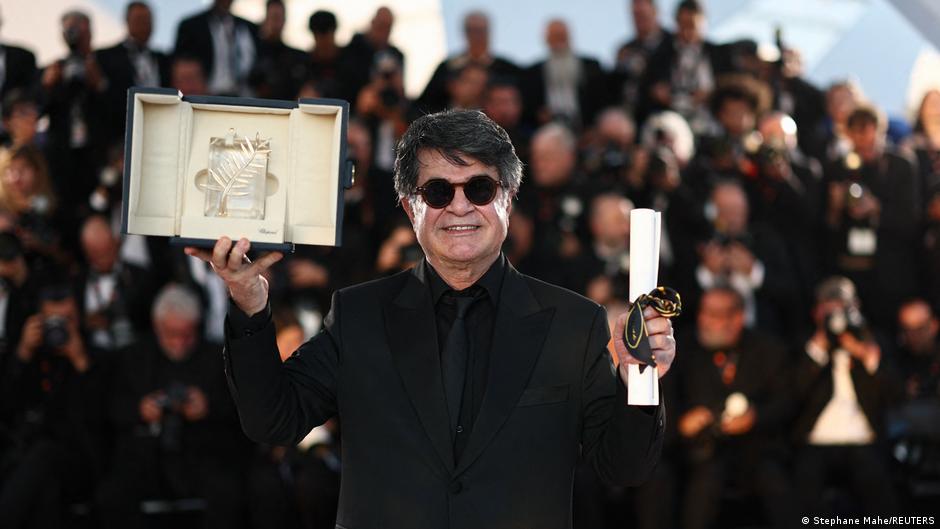
Before the European Film Awards ceremony, award-winning filmmakers Jafar Panahi, Oliver Laxe, Mascha Schilinski, and Joachim Trier took part in a live discussion with DW and the European Film Academy. The discussion can be viewed online and features an in-depth roundtable conversation with four of the most discussed directors of the year.
The State of European Cinema
“European Cinema on the Edge” brings this moment into focus with a discussion that goes beyond the awards ceremony and delves into the larger questions shaping cinema today. All four directors are European Film Award nominees and Oscar contenders, and all four have made films that are at the forefront aesthetically, politically, and emotionally.
Exploring the Films
From Panahi’s clandestine filmmaking under Iran’s authoritarian regime to Laxe’s genre-bending desert odyssey, from Schilinski’s cross-generational exploration of German history to Trier’s Bergman-inflected meditation on art, family, and compromise, the discussion explores the themes and ideas that are driving European cinema forward.
The Future of Cinema
Is filmmaking still a political act? Who are these films really for? And what will happen to European cinema when streaming power, right-wing populism, and artificial intelligence reshape the cultural landscape? These are the questions that are being asked and explored in the discussion, which is a collaboration between DW, The Hollywood Reporter, and the European Film Academy. The conversation is about what cinema can be when it refuses to play it safe.
